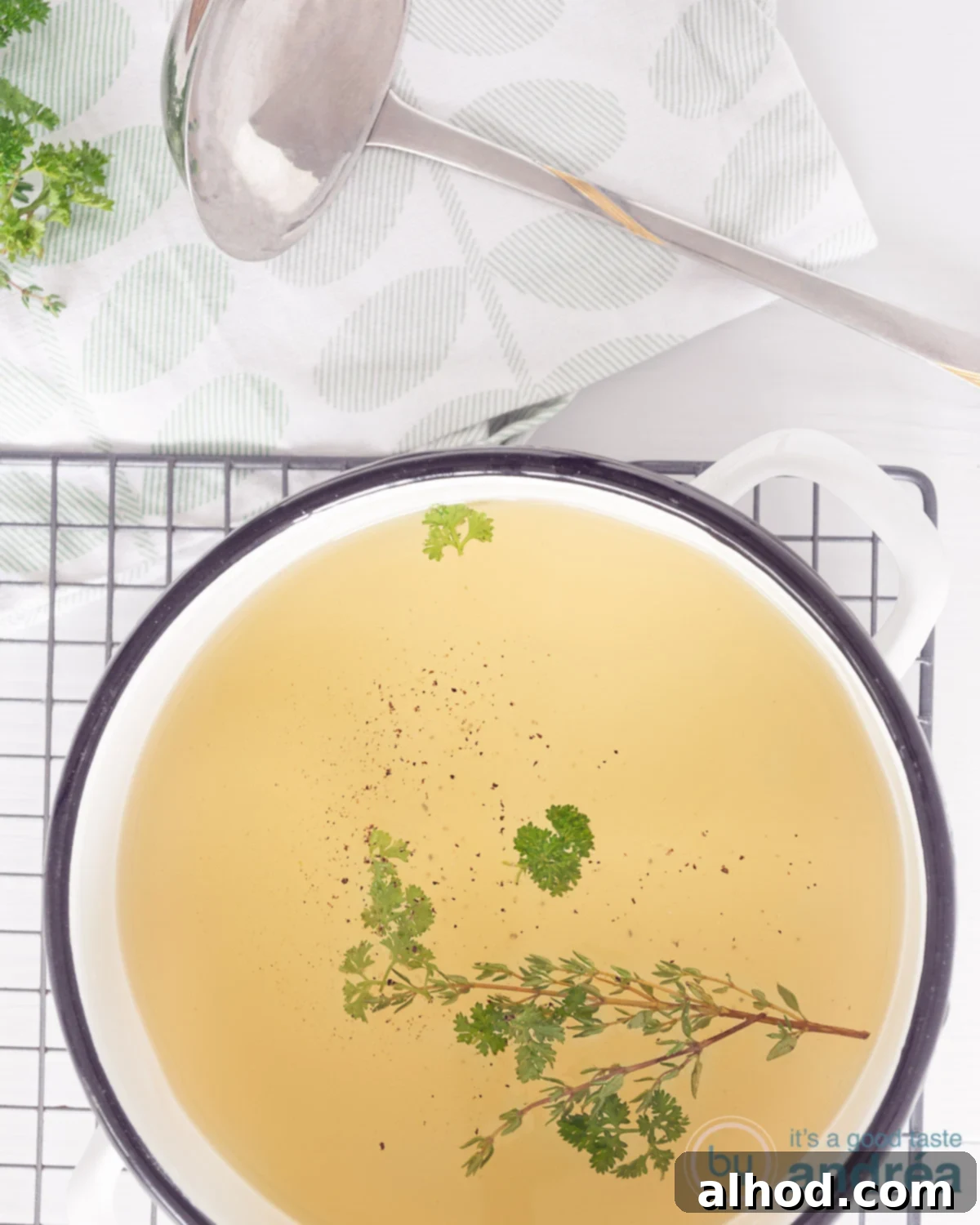
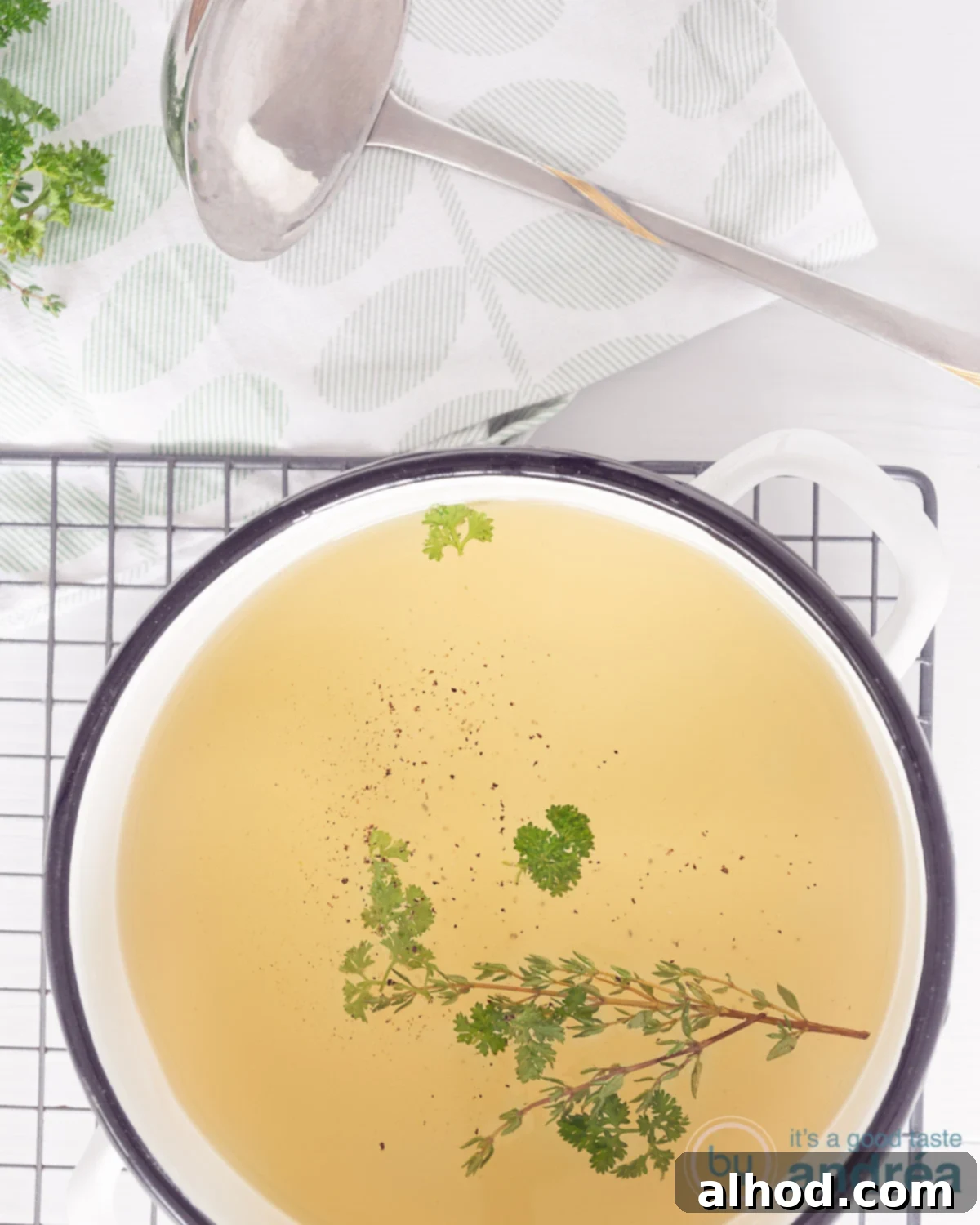
Homemade Vegetable Stock: Elevate Your Cooking with Pure, Flavorful Broth
Homemade vegetable stock is more than just a recipe; it’s the foundational secret to countless delicious dishes. From rich, comforting soups and hearty stews to creamy mashed potatoes and flavorful risottos, its depth transforms ordinary meals into culinary delights.
Imagine a culinary staple that not only tastes incredible but also gives you complete control over its ingredients, helps reduce food waste, and is surprisingly easy to make. That’s the magic of homemade vegetable stock. Forget the often-salty, sometimes artificial, and always less-flavorful store-bought varieties. Crafting your own vibrant broth at home is a game-changer for any kitchen, turning humble vegetables into a liquid goldmine of flavor.
Why Homemade Vegetable Stock is a Must-Have
There are countless reasons to ditch the carton and embrace the simple art of making your own stock. Here’s what makes homemade vegetable stock truly exceptional:
- Unrivaled Flavor and Depth: When fresh vegetables and aromatic herbs slowly simmer, their natural essences infuse the water, creating a stock bursting with a complex, nuanced flavor that no store-bought version can replicate. This rich base adds incredible taste to everything it touches.
- Pure Ingredients, Wholesome Goodness: You have complete control over what goes into your stock. This means no hidden additives, artificial flavors, excessive sodium, or preservatives. It’s a clean, pure recipe, perfect for those with dietary restrictions or anyone seeking a healthier alternative.
- Ideal for Zero-Waste Cooking (and Your Wallet!): This is where homemade stock truly shines. It’s an excellent way to utilize vegetable scraps that might otherwise end up in the bin. Carrot tops, onion skins, celery ends, mushroom stems, herb stalks – these discarded bits are packed with flavor and become the heroes of your broth, making it a wonderfully cheap and sustainable recipe.
- Naturally Vegan/Vegetarian: By default, vegetable stock is a plant-based powerhouse, making it suitable for everyone. It’s a versatile ingredient that effortlessly fits into vegan, vegetarian, and omnivore kitchens alike.
- Surprisingly Quick and Effortless: Don’t let the idea of “homemade” intimidate you. A flavorful batch of vegetable stock can be ready in as little as 30 minutes of simmering. It’s a passive cooking process that requires minimal hands-on time, making it easy to whip up even on busy days.
Crafting Your Own Liquid Gold: The Heart of the Recipe
The beauty of homemade vegetable stock lies in its simplicity and the depth of flavor it achieves. As the vegetables gently simmer, their natural sugars caramelize slightly, and their aromatic compounds are released into the water. This slow infusion process extracts all the deliciousness without the need for any artificial enhancers. What you get is a transparent, golden liquid that truly reflects the wholesome ingredients used, free from any hidden or unpronounceable ingredients often found in commercial products.
Unlike pre-packaged broths that often rely on high sodium content for flavor, your homemade stock allows you to dictate the seasoning. This is especially beneficial for health-conscious cooks, as you can add salt sparingly, or even omit it entirely until you’re ready to use the stock in a specific dish. This flexibility ensures that your stock enhances, rather than overwhelms, the flavors of your final meal.
Embrace Zero-Waste: Utilizing Your Kitchen Leftovers
One of the most rewarding aspects of making your own vegetable stock is its role in sustainable cooking. Instead of discarding vegetable trimmings, you can transform them into a valuable, flavor-packed base. Think about all those carrot ends, celery leaves, onion skins, leek greens, and cauliflower stumps that usually get tossed. These scraps are brimming with essential oils and nutrients that contribute significantly to the complexity of your stock.
This “waste-not, want-not” approach not only helps the environment by reducing food waste but also saves you money on groceries. You’re getting a second life out of ingredients you’ve already purchased. And the best part? It doesn’t require a whole day in the kitchen. Just a 30-minute simmer is all it takes to prepare a batch of incredibly aromatic and flavorful stock. This minimal time commitment makes it an ideal activity to do while you’re busy with other tasks around the house.
Versatility Unleashed: A Delicious Basic for Countless Creations
Vegetable stock is an incredibly versatile ingredient that forms the foundation for an array of dishes, elevating their flavor profile instantly. Beyond the obvious (but always satisfying!) soups and stews, its applications are nearly endless:
- Soups and Stews: From a simple noodle soup to a hearty lentil stew, stock provides a rich, savory base.
- Risottos: Achieve that perfectly creamy and flavorful risotto by gradually adding warm stock.
- Sauces and Gravies: Use it to deglaze pans, create pan sauces, or as the liquid component in gravies, adding depth without heavy fats.
- Mashed Potatoes: Forget milk or cream! A splash of vegetable stock makes mashed potatoes incredibly creamy and infuses them with an extra layer of savory taste.
- Cooking Grains: Cook rice, quinoa, couscous, or pasta in stock instead of water for a more flavorful side dish.
- Steaming Vegetables: Use stock in your steamer for vegetables that absorb its delicious essence, making them far more interesting than water-steamed ones.
- Braising and Roasting: Add a bit of stock to the bottom of your roasting pan or braising pot to keep ingredients moist and add flavor.
- Poaching: Perfect for poaching eggs or delicate fish, imparting subtle flavor.
Expert Tips for the Perfect Batch
While making vegetable stock is straightforward, a few tips can ensure your broth is always top-notch:
- Seasoning Smartly: If you prefer a taste similar to supermarket stocks, which are often quite salty, you can add about 1 teaspoon of salt per 500 mL of water. However, it’s generally healthier and more flexible to add less salt during the initial cooking process and adjust to taste when you use the stock in a recipe. Remember, you can always add more salt, but you can’t take it away!
- Herb Power: Fresh herbs provide the most vibrant flavor. If you’re a frequent stock maker, consider investing in biological herb plants for your garden or windowsill. Not only will they be much cheaper in the long run than buying fresh bundles, but they’ll also be readily available whenever inspiration strikes. Thyme, parsley, bay leaves, and rosemary are classic choices.
- Delayed Salting for Storage: If you don’t plan to use your stock immediately or consume an entire batch, it’s best to hold off on adding salt. When you reheat stock, it can reduce slightly, concentrating the flavors and saltiness. By salting later, you prevent it from becoming overly salty. If you do find it too salty after reduction, a simple fix is to add a little water to dilute it.
- Creative Vegetable Variations: The basic recipe provided below is a fantastic starting point, but don’t hesitate to experiment! Vary your vegetables to achieve different flavor profiles. Broccoli stems (use sparingly as they can be strong), cauliflower cores, mushroom stems, bell pepper trimmings, and even corn cobs can add wonderful depth. Just be cautious with strongly flavored vegetables like cabbage or Brussels sprouts, as they can sometimes make the stock bitter or too assertive.
- Transform into Quick Soup: For an instant comforting meal, simply heat your homemade stock, add some quick-cooking noodles, and finish with a sprinkle of fresh herbs like parsley or chives. You’ll have a delicious, light soup ready in minutes.
Storage Solutions for Lasting Freshness
Once you’ve made a beautiful batch of homemade vegetable stock, proper storage ensures you can enjoy its fresh flavors for days or even months:
- Refrigeration: After preparing your stock, it’s crucial to cool it down to room temperature as quickly as possible. You can do this by placing the pot in an ice bath or transferring the hot stock to shallower containers. Once cool, transfer it to airtight containers and store it in the refrigerator for 2 to 3 days.
- Freezing for Long-Term: Vegetable stock freezes perfectly, allowing you to have a convenient supply on hand. Pour cooled stock into freezer-safe containers, zip-top bags (laid flat for easy stacking), or even ice cube trays for smaller, individual portions. Frozen stock will maintain its quality for up to 2 months. Label containers with the date for best practice.
- Fresh Pea Soup
- Noodle soup with herbs
- Halloween Pumpkin Soup without Cream
- Easy French Onion Soup with Beer
Did you make this delicious recipe? Tag #byandreajanssen via Instagram! I love to see what your creation looks like and regularly share the most beautiful photos of you! Did you like this recipe? Then leave a rating on the recipe card! Your feedback helps other home cooks and me enormously.
Need more inspiration?
- You can find video recipes on my YouTube channel.
- And don’t forget to save the recipes on Pinterest, so you can easily find them again next time!
📖 Recipe
RECIPE CARD
 Andréa
Pin Recipe
Ingredients
- 1 carrot
- 1 leek
- 2 sticks celery
- leftover vegetables
- 1 onion
- 1 clove garlic
- 5 black peppercorn
- 2 twigs dried thyme
- 3 twigs parsley
- 1 bay leaf
All my recipes are written both in Metric (gram / ml) and US Customary (cups / pounds). Here you can select which type of amount you would like to see.
Instructions
-
Peel the carrot and slice it into three pieces.
-
Rinse the leek and slice it in half. Wash the celery sticks and break them into two pieces.
-
Quarter the onion and peel the garlic.
-
Fill the soup pan with 4 liters of cold water and add every ingredient.
-
Bring to a boil and let it simmer for 30 minutes.
-
Put a sieve above a big bowl and pour the stock into the sieve.
-
At salt and pepper to taste.
Notes
- If you want a salty taste, just like the ones you get in the supermarket add 1 teaspoon of salt per 500 mL water (but less is healthier).
- When you make a lot of stocks buy biological herb plants. At the end that will be much cheaper.
- If you don’t use your stock immediately or fully don’t add the salt yet. When heating it again, it will reduce a bit and the salt taste can be too much (but if it happens, you can simply add some water).
- Beneath you can find a basic recipe, but vary with vegetables to get a different taste. You can also use broccoli or cauliflower.
- Add noodles and some fresh herbs when done and you get a delicious soup.
Nutrition
Tried this recipe?
Let us know how it was!
Conclusion: Your Kitchen’s Secret Weapon
Making your own vegetable stock is a simple yet impactful way to enhance your culinary skills, boost the flavor of your meals, and practice sustainable cooking. With minimal effort and maximum reward, this pure, delicious, and versatile broth will quickly become your kitchen’s secret weapon. So, gather your vegetables and scraps, set them to simmer, and prepare to elevate every dish you create. Happy cooking!