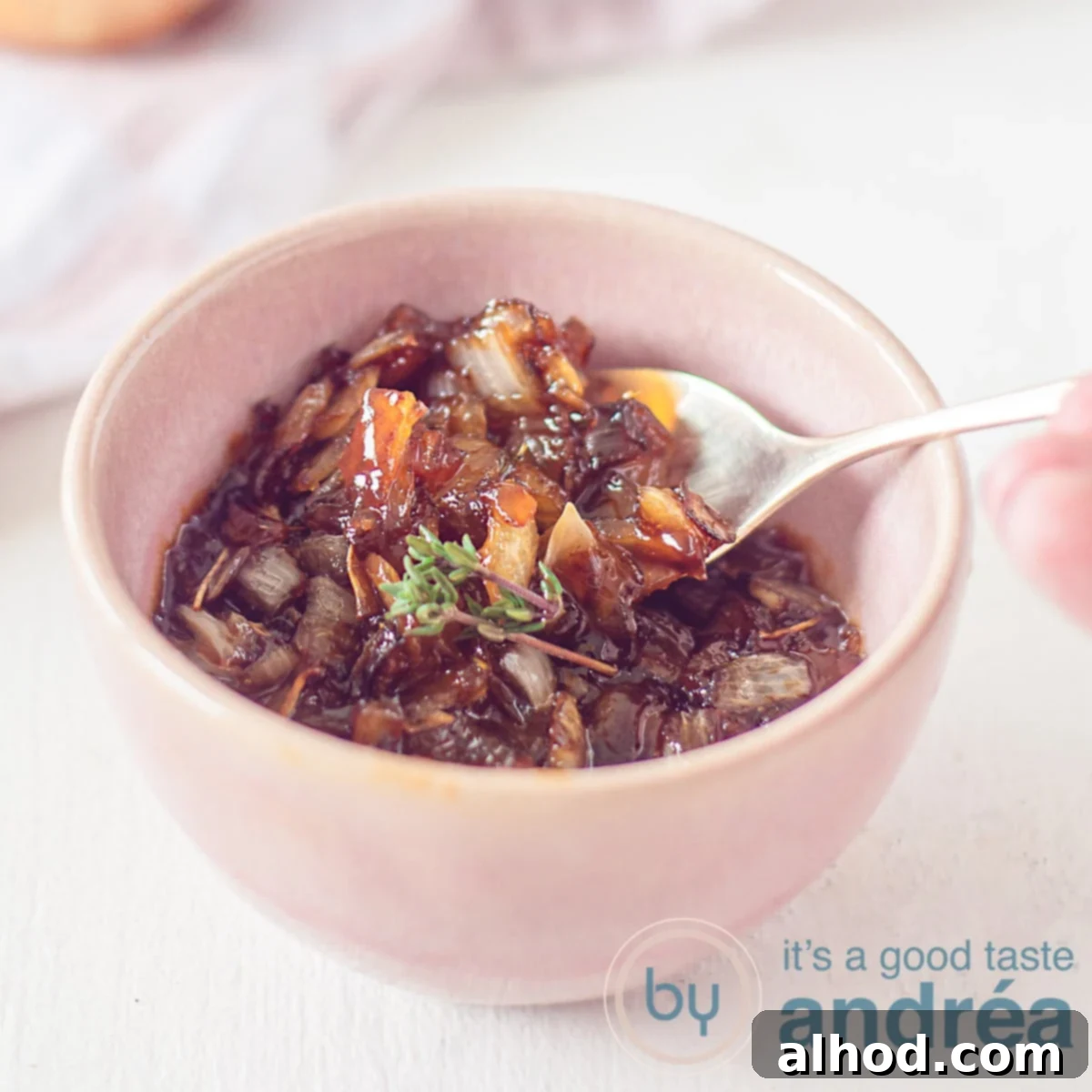
The Essential Guide to Perfect Caramelized Onions: Sweet, Savory, and Incredibly Versatile
Imagine a culinary chameleon: a single ingredient capable of transforming from a pungent bulb into a deeply sweet, richly savory, and intensely flavorful delicacy. That, my friends, is the magic of caramelized onions. A truly delicious sweet and savory topping or side dish that always delights, these golden-brown beauties are a staple for any home cook looking to elevate everyday meals into extraordinary experiences. Whether you layer them on a juicy hamburger, tuck them into a hot dog, sprinkle them over a pizza, or pair them with a gourmet cheese board, their complex flavor profile is simply irresistible.
The process involves slowly cooking onions until their natural sugars caramelize, turning them tender, golden-brown, and incredibly sweet, with a hint of tang from red wine vinegar and the warm aroma of fresh thyme. This isn’t just a recipe; it’s a foundational technique that deserves a permanent spot in your basic culinary repertoire. Once you master the art of caramelizing onions, you’ll find countless opportunities to use them, adding a touch of gourmet flair to nearly any dish.
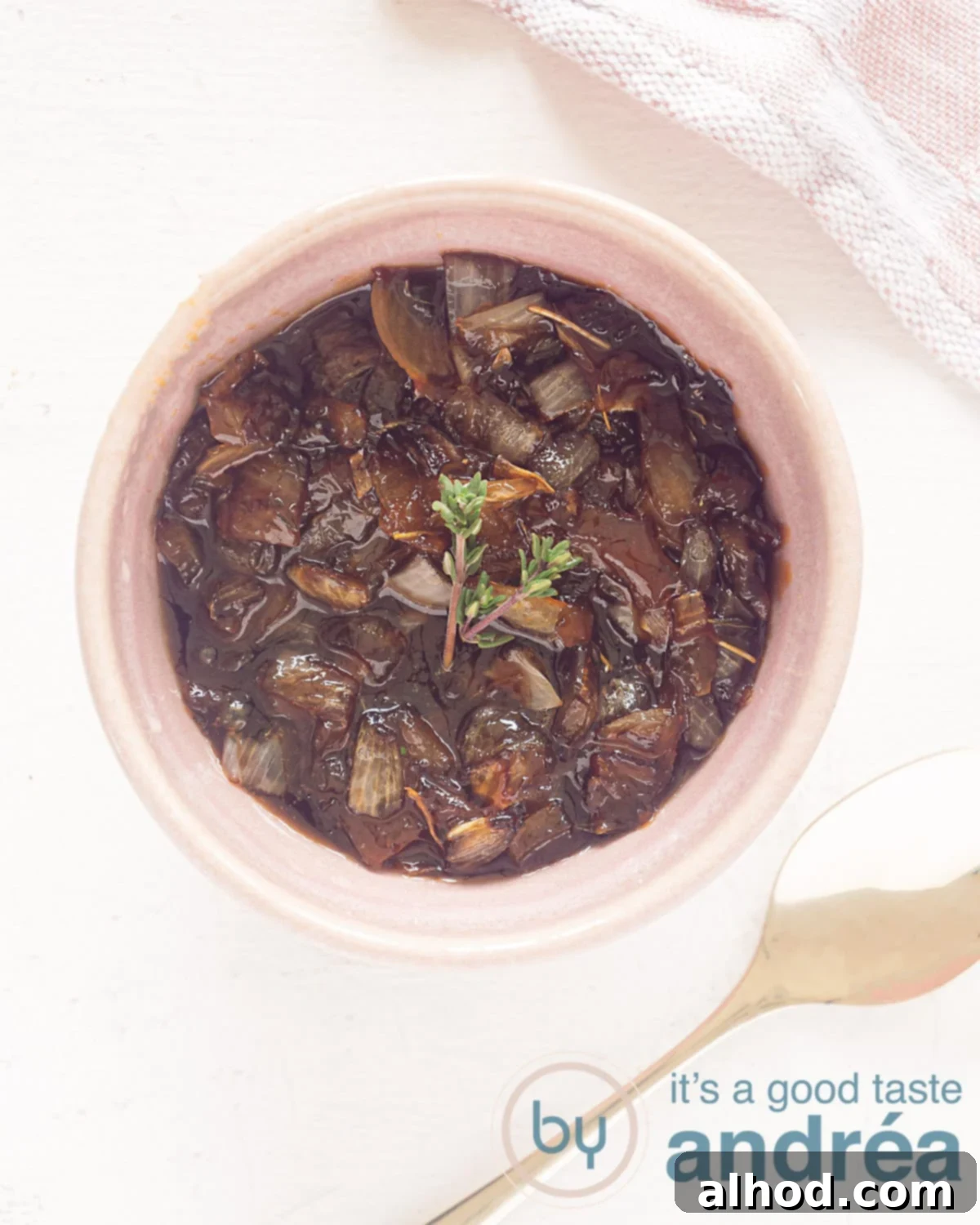
The Ultimate Guide to a Homemade Delicacy: Caramelized Onions
I confess, caramelized onions are my ultimate guilty pleasure. There’s something inherently comforting and utterly satisfying about their rich, jammy texture and sweet-savory punch. They bring so much joy to my kitchen! While they’re undeniably delicious on a good hamburger or a gourmet hot dog, their versatility extends far beyond. Have you ever considered them as a topping for a savory pizza, transforming a simple slice into a gourmet treat? Or perhaps as an elegant accompaniment to a sophisticated cheese board, where their sweetness beautifully complements sharp cheeses?
Despite their gourmet appeal, this is a surprisingly easy recipe. The most “challenging” part, arguably, is simply slicing the onions without shedding a tear! Believe me, I’ve tried every trick in the book: running water, turning on the extractor hood, opening all the windows. If anyone has a foolproof method for tear-free onion chopping, please share your wisdom!
Even with the occasional teary eye, this minor inconvenience doesn’t deter me from making a batch of these glorious onions at least once a week. That alone speaks volumes about just how incredibly delicious and versatile they are. So, gather your ingredients, embrace the slow-cooking process, and prepare to enjoy this delightful homemade side dish and topping that will quickly become a favorite in your household.
Understanding Caramelization: The Science Behind the Sweetness
Caramelization is a fascinating chemical process that occurs when sugars are heated. In onions, this process transforms their naturally present sugars, leading to a profound change in flavor and color. As the onions slowly cook, their volatile sulfur compounds (responsible for their pungent aroma and tear-inducing properties) break down and dissipate. Simultaneously, the sugars undergo a series of reactions (the Maillard reaction, in particular, alongside actual caramelization of sugars) that create hundreds of new flavor compounds. This results in the characteristic sweet, nutty, slightly bitter, and deeply savory notes that make caramelized onions so uniquely delicious. It’s a patient process, but the depth of flavor you achieve is well worth the wait.
Why Homemade is Always Best
While you might find pre-made caramelized onions in stores, nothing compares to the taste and texture of a freshly prepared homemade batch. Making them yourself gives you complete control over the ingredients, allowing you to adjust sweetness, tang, and seasoning to your preference. You can choose high-quality butter, fresh herbs, and the perfect type of onion to suit your taste. Plus, the slow, meditative process of watching the onions transform in the pan is a rewarding culinary experience in itself, filling your kitchen with an enticing aroma that store-bought versions simply can’t replicate.
What Do You Need for Perfectly Caramelized Onions?
To prepare these incredibly flavorful caramelized onions, you’ll need a few simple, high-quality ingredients. The precise amounts can be found in the comprehensive recipe card at the very bottom of this blog post. Each ingredient plays a crucial role in developing that signature sweet and savory depth:
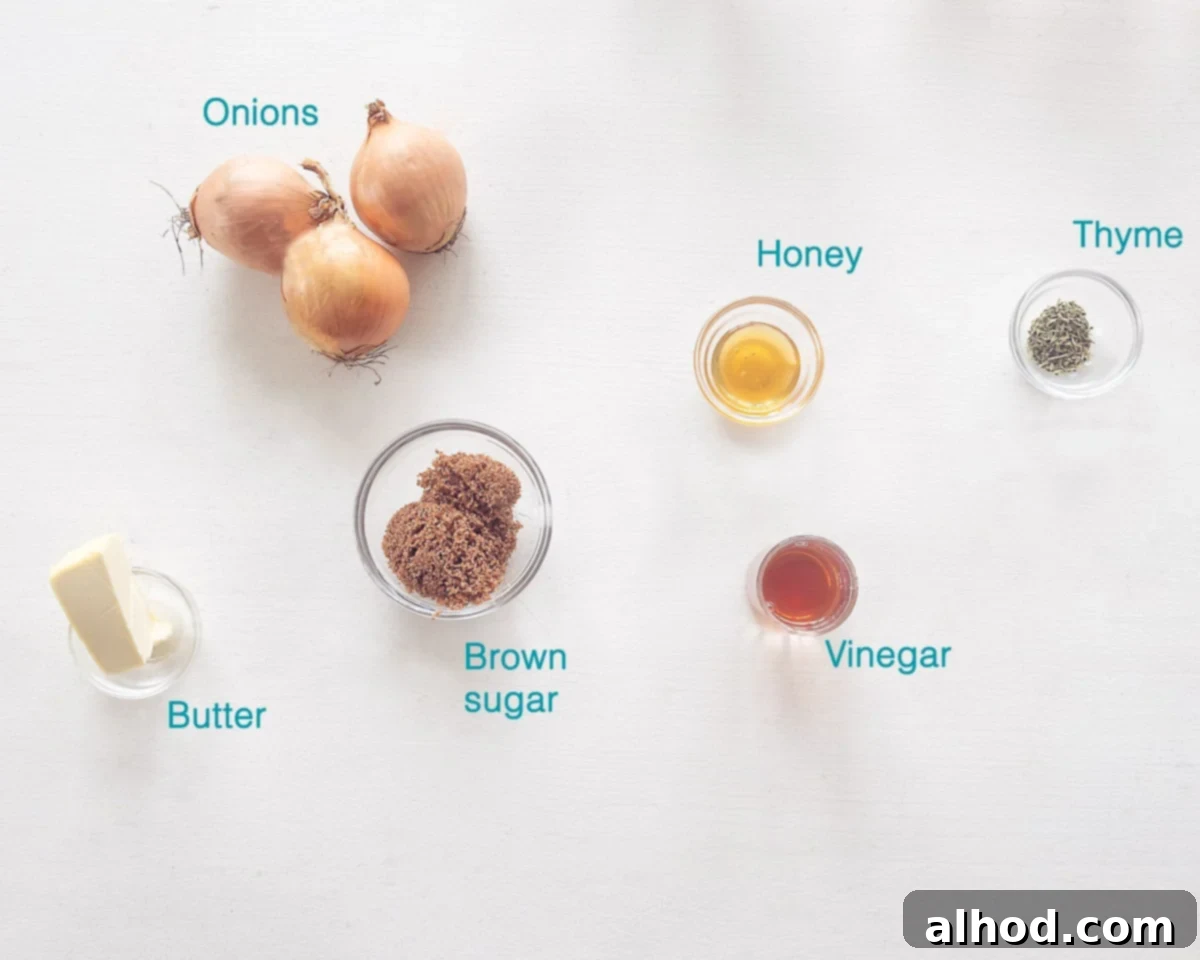
- Butter: This is your foundational fat for frying the onions. Butter not only helps the onions caramelize beautifully but also imparts a rich, creamy, and nutty flavor that is essential to the overall taste profile. For an even richer flavor, you can use European-style butter, or a combination of butter and a neutral oil like olive oil to raise the smoke point.
- Onions: While I typically opt for classic yellow onions due to their balanced sweetness and robustness, almost any type of onion can be caramelized.
- Yellow Onions: Your go-to for a classic sweet and savory caramelized onion.
- Shallots: Will yield a slightly sharper, more refined onion sauce with a delicate sweetness.
- Red Onions: Caramelize beautifully with a slightly milder, sweeter flavor and a lovely reddish hue, perfect for certain presentations.
- Sweet Onions (Vidalia, Walla Walla): Will produce an even sweeter end product, requiring less added sugar.
The key is consistency in slicing, regardless of the type you choose.
- Brown Sugar: The molasses content in dark brown sugar is key here, contributing a distinct, deep caramel flavor and a beautiful rich color that granulated sugar alone cannot replicate. It aids in the caramelization process, enhancing the natural sweetness of the onions.
- Honey: This ingredient is where the magic happens, adding another layer of complex sweetness. Combined with the natural sugars from the onions and the brown sugar, the honey creates an irresistible depth and syrupy texture. The interplay of these three different types of sweetness is truly profound and makes for an incredibly well-rounded flavor. Maple syrup is a good alternative if you prefer.
- Red Wine Vinegar: Crucial for balancing the sweetness and adding a much-needed acidic counterpoint. Without it, the sweetness could become overwhelming. The vinegar also helps to deglaze the pan, incorporating all those flavorful browned bits (fond) into the sauce, creating a sweet-sour caramel that is incredibly complex. Balsamic vinegar or apple cider vinegar can also be used for different flavor profiles.
- Thyme: Fresh or dried thyme lends a wonderful, warm, earthy, and aromatic dimension to the caramelized onions. It’s a classic pairing that elevates the dish. If you don’t have thyme, rosemary or a bay leaf can offer a different but equally delightful herbal note.
- Salt & Pepper: Simple but essential for seasoning, they enhance all the other flavors and bring everything into perfect harmony.
How to Prepare Perfect Caramelized Onions: A Step-by-Step Guide
Achieving perfectly caramelized onions is more about patience than skill. Follow these steps, and you’ll be rewarded with a rich, flavorful topping or side dish. A printable recipe card with a detailed step-by-step description and ingredient measurements can be found at the bottom of this blog.
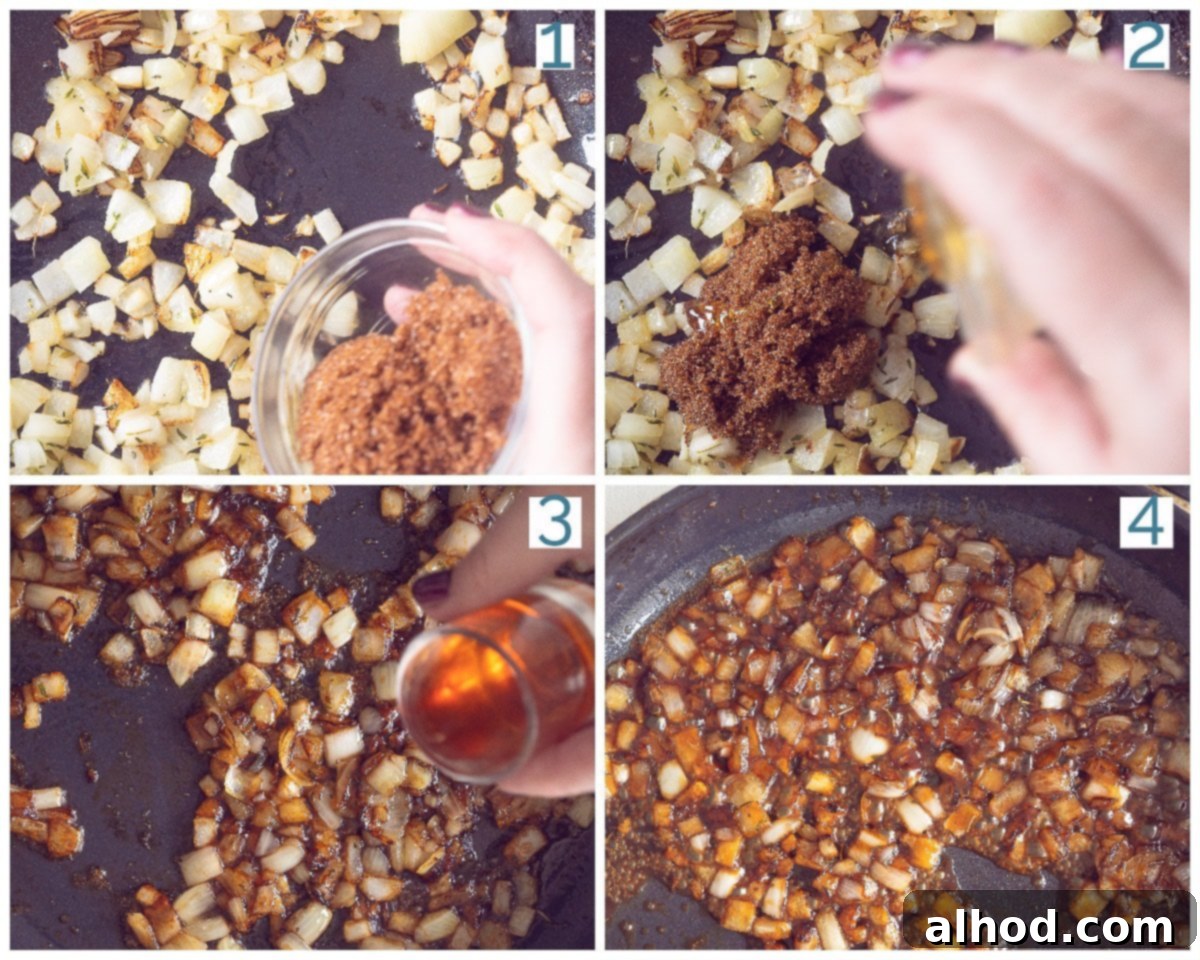
- Melt the Butter and Start Sautéing: Begin by melting the butter in a large, heavy-bottomed frying pan or Dutch oven over medium-low heat. The key here is low and slow. Add your uniformly chopped onions and the sprigs of fresh thyme. Cook them gently, stirring occasionally, until the onions are translucent, lightly browned, and beautifully softened. This initial stage should take about 10 minutes. Resist the urge to crank up the heat; patience now will prevent burning later and allow the flavors to develop properly.
- Season and Brown with Sugar: Once softened, season the onions generously with salt and freshly ground black pepper. Then, add the brown sugar. Stir well to coat all the onions. Continue to cook, stirring more frequently now, as the sugar begins to melt and coat the onions, helping them achieve that signature golden-brown hue. The sugar aids in the caramelization process, giving the onions a deeper color and a more intense sweetness.
- Introduce the Honey: Once the onions have reached a rich golden-brown and the sugar has fully melted and integrated, pour in the honey. Stir it through, allowing its complex sweetness to meld with the developing flavors. This adds another layer of sweetness and a beautiful gloss to the onions.
- Deglaze with Vinegar and Simmer to Perfection: Now, it’s time to add the red wine vinegar. Pour it directly into the pan; you’ll hear a satisfying sizzle as it hits the hot surface. Use a wooden spoon to scrape up any browned bits (fond) from the bottom of the pan – these are packed with flavor! Bring the mixture to a gentle boil, then immediately reduce the heat to low. Let it simmer uncovered, stirring occasionally, until the liquid has reduced and thickened into a luscious, syrupy sauce, and the onions are jammy and deeply caramelized. This process can take another 5-10 minutes, depending on the heat. The final result should be a glistening, dark amber-colored onion concoction.
These perfectly caramelized onions are fantastic on their own but truly shine when paired with other dishes. Serve them with a hearty whole roasted chicken with potatoes and rosemary, a luxurious hot dog deluxe, or an expertly baked sirloin steak from the Air fryer. For an extra touch of elegance and fresh aroma, garnish with a few fresh thyme leaves.
Tips, Substitutions, and Creative Variations
Once you’ve mastered the basic recipe, feel free to experiment with these tips and variations to customize your caramelized onions:
- Vinegar Alternatives: While red wine vinegar provides a classic tang, you can easily replace it with other types for different flavor profiles. Balsamic glaze or balsamic vinegar will yield a richer, sweeter, and slightly thicker sauce. Apple cider vinegar offers a fruitier, lighter tang, while a good quality white wine vinegar can provide a crisp, delicate balance.
- Herb Experimentation: Beyond thyme, several other herbs can beautifully complement the sweetness of caramelized onions. Try adding fresh rosemary sprigs for a piney, earthy note, or a pinch of dried oregano for a Mediterranean twist. Bay leaves can infuse a subtle, savory depth during cooking, which you’d remove before serving. A touch of marjoram or even sage can also offer interesting aromatic variations.
- Spicy Kick: For those who enjoy a little heat, a pinch of red pepper flakes added with the onions will provide a subtle warmth that contrasts wonderfully with the sweetness.
- Boosting Umami: A splash of soy sauce or Worcestershire sauce (just a teaspoon or two) can add an extra layer of savory umami, deepening the complexity of the onions.
- Sweetener Adjustments: If you prefer a less sweet profile, you can reduce the amount of brown sugar or honey. Conversely, for a truly jam-like, dessert-worthy caramelized onion, you might slightly increase them. Consider using maple syrup or agave nectar as direct substitutes for honey, adjusting to taste.
Inspired Serving Suggestions
- Gourmet Cheese Pairing: Elevate your cheese board. A fantastic tip is to heat a Camembert cheese in the oven until its interior is wonderfully melted and gooey, then serve it generously topped with these caramelized onions. Alternatively, cut a baguette into elegant slices, spread with creamy goat cheese, and dollop some sweet caramelized onions on top for a sophisticated appetizer. They also pair wonderfully with sharp cheddar or robust blue cheeses.
- Breakfast & Brunch Delights: Transform your morning meals. Fold caramelized onions into omelets, frittatas, or quiches for a savory-sweet kick. They are also phenomenal layered in breakfast sandwiches or alongside scrambled eggs.
- Sandwich & Burger Upgrades: Beyond classic burgers and hot dogs, spread them on a grilled cheese sandwich for an elevated comfort food experience. They are also excellent in gourmet deli sandwiches or even a simple turkey and provolone.
- Pizza & Flatbread Perfection: Use them as a topping for homemade pizzas, especially on white pizzas with ricotta or goat cheese, or on focaccia bread for an artisanal touch.
- Meat Accompaniment: Serve alongside roasted meats like pork loin, lamb chops, or even simple grilled chicken breasts. Their rich flavor complements almost any protein.
- Savory Tarts & Galettes: Use them as the star filling for savory tarts, paired with feta cheese, spinach, or mushrooms for an impressive appetizer or light lunch.
- Dips & Spreads: Blend a small amount into a creamy onion dip or a rustic pâté for a unique flavor.
- Roasted Vegetable Enhancement: Toss them with roasted root vegetables like carrots or parsnips during the last few minutes of cooking for added sweetness and depth.
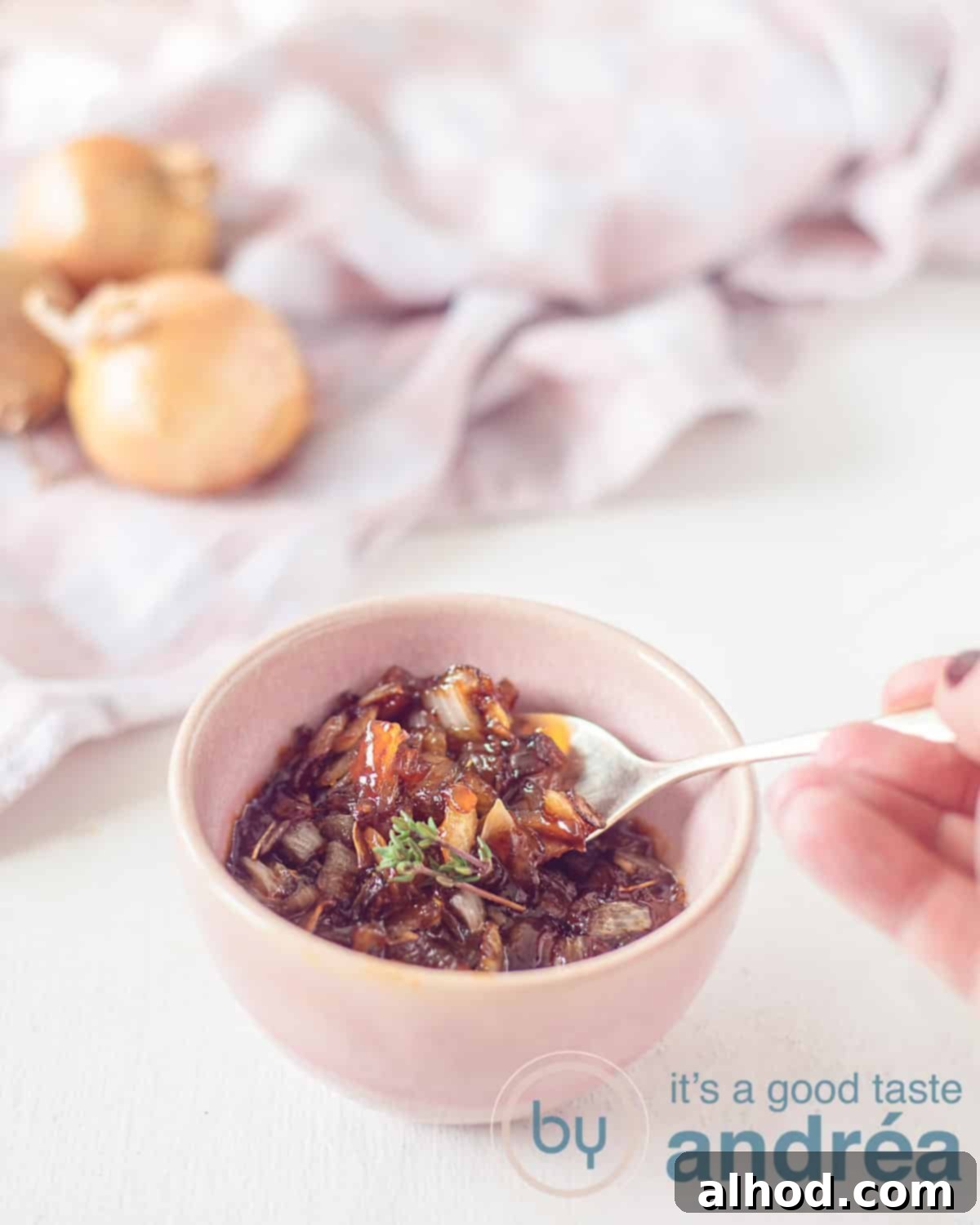
Did you create this delicious recipe? We’d absolutely love to see your culinary masterpiece! Tag #byandreajanssen via Instagram! I genuinely enjoy seeing your creations and frequently share the most beautiful photos from our community. Did you fall in love with this recipe? Then please take a moment to leave a rating on the recipe card below! Your valuable feedback is incredibly helpful to other home cooks and me, inspiring more delicious recipes.
Hungry for more inspiration and culinary adventures?
- You can discover a variety of inspiring video recipes on my YouTube channel.
- And don’t forget to save your favorite recipes on Pinterest! This way, you can easily find them again the next time you’re ready to cook up something amazing!
📖 Recipe
RECIPE CARD
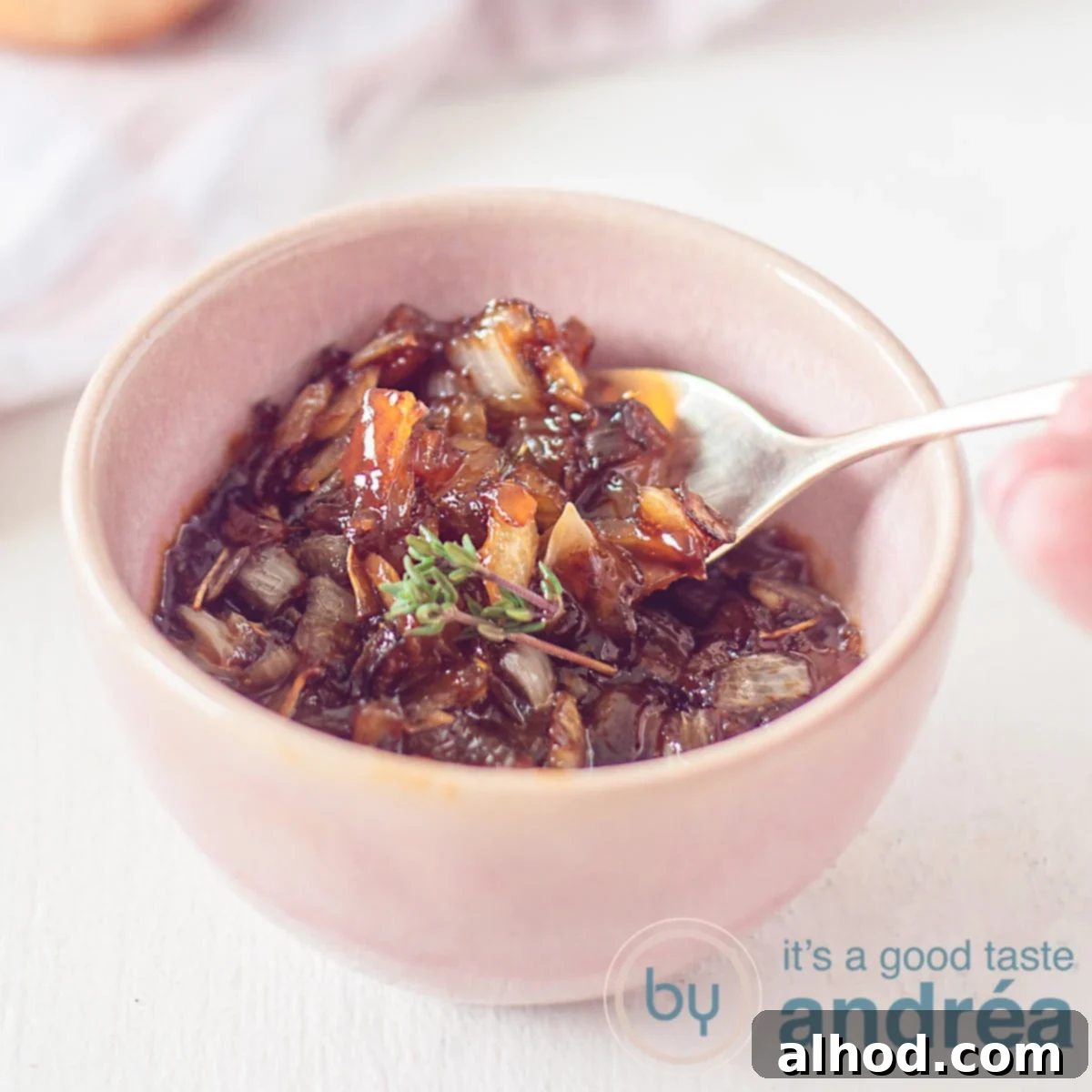
 Andréa
Pin Recipe
Ingredients
- 2 tablespoons butter, unsalted
- 3 onions, chopped
- 2 sprigs fresh thyme, or ½ teaspoon dried
- ¼ teaspoon salt
- ⅛ teaspoon ground black pepper
- 2 tablespoons dark brown sugar
- ½ tablespoon honey
- 2 tablespoons red wine vinegar
All my recipes are written both in Metric (gram / ml) and US Customary (cups / pounds). Here you can select which type of amount you would like to see.
Instructions
-
Melt the butter in a large, heavy-bottomed frying pan or Dutch oven over medium-low heat.2 tablespoons butter
-
Add the uniformly chopped onions and thyme sprigs to the skillet. Cook over low heat, stirring occasionally, for about 10 minutes, until the onions are translucent, lightly browned, and well softened.3 onions, 2 sprigs fresh thyme
-
Season with salt and pepper, then add the brown sugar. Mix everything well, allowing the sugar to melt and lightly brown the onions further. Continue to stir frequently to prevent burning.¼ teaspoon salt, ⅛ teaspoon ground black pepper, 2 tablespoons dark brown sugar
-
Now, add the honey and red wine vinegar to the pan.½ tablespoon honey, 2 tablespoons red wine vinegar
-
Bring the mixture to a gentle boil, then reduce the heat to low and simmer uncovered. Continue cooking until the liquid has reduced, and the onions and sauce are well thickened, sticky, and deeply caramelized.
Notes
2. Vinegar Substitutions: If red wine vinegar isn’t on hand, balsamic glaze or balsamic vinegar can be used for a richer, more syrupy result. Apple cider vinegar offers a lighter, fruitier tang.
3. Herb Variations: For alternative aromatic notes, try adding fresh rosemary or dried oregano along with the thyme. A single bay leaf can also be added during simmering for subtle depth, then removed before serving.
4. Serving Suggestions: Beyond the main dishes, consider heating a Camembert in the oven until melted and serving with caramelized onions, or topping baguette slices with goat cheese and onions for an elegant appetizer. They are also fantastic with omelets, in grilled cheese, or as a pizza topping.
5. Storage Instructions: Always allow the caramelized onions to cool completely and quickly before storing.
- Refrigerator: Store them in a clean, airtight jar or container. They will remain fresh and delicious for up to five days.
- Freezer: For longer storage, transfer the cooled caramelized onions into a freezer-safe bag or an airtight container. They can be stored in the freezer for up to 2 months. Thaw them overnight in the refrigerator before reheating gently on the stovetop or in the microwave.
Nutrition
Tried this recipe?
Let us know how it was!
More Essential Basic Recipes You’ll Love
Mastering fundamental recipes like caramelized onions opens up a world of culinary possibilities. Here are a few more basic recipes that are incredibly versatile and will enhance your cooking repertoire:
- Homemade Tonkatsu Sauce
- Sugar Flowers for Cakes and Cupcake Decoration
- Classic Deviled Eggs