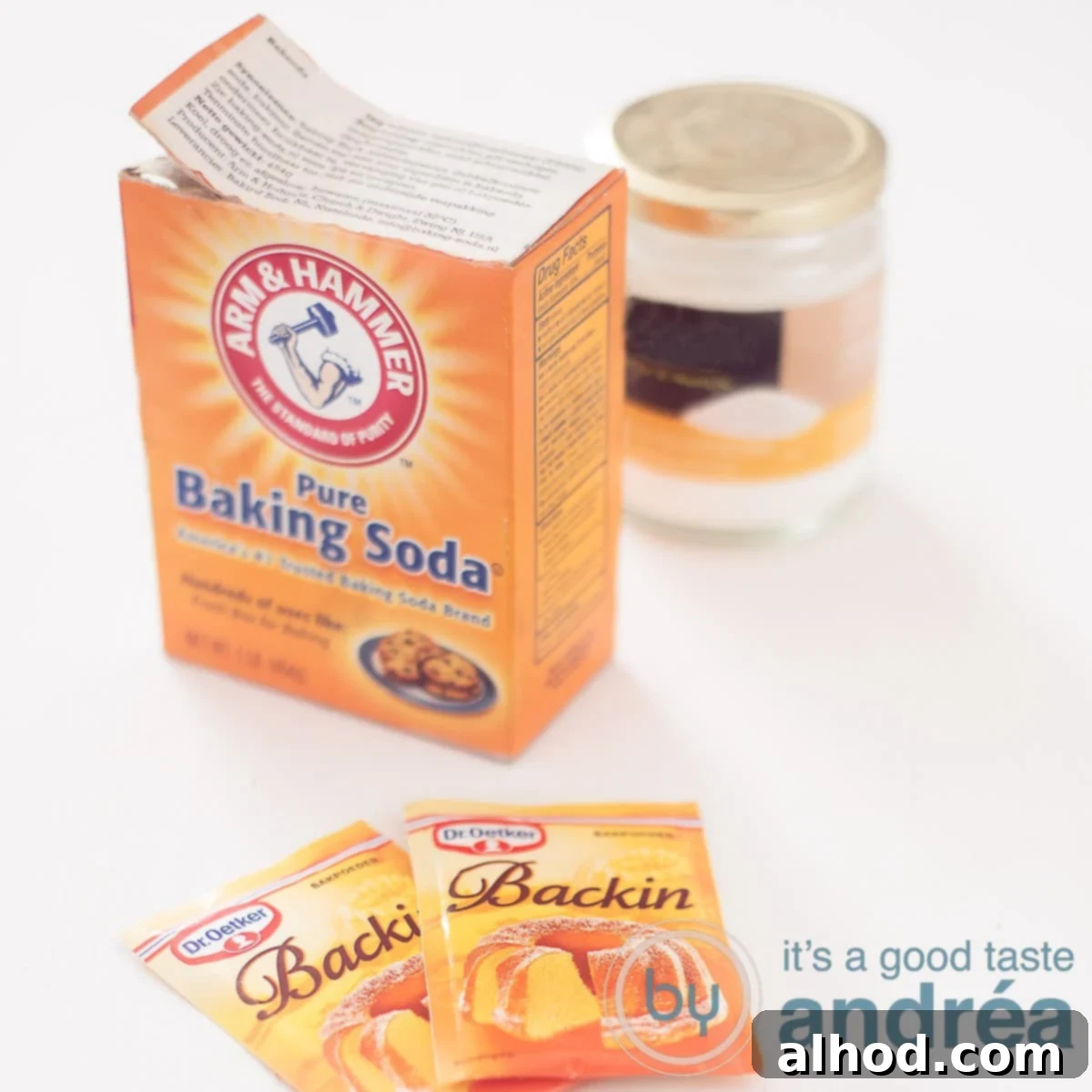
Baking Soda vs. Baking Powder: The Ultimate Guide to Leavening Agents for Perfect Baking
For any home baker, the sight of a perfectly risen cake or a fluffy batch of muffins is a true delight. But achieving that ideal texture often depends on a crucial pair of ingredients: baking soda and baking powder. These powerful leavening agents are the unsung heroes of many baked goods, yet they are frequently misunderstood and often confused. While both are designed to create gas and make your batter rise, they operate on different chemical principles and are not always interchangeable.
This comprehensive guide aims to demystify these essential kitchen staples. We’ll delve into their distinct compositions, explore how they work, reveal when to use each, and even explain why some recipes call for both. Furthermore, we’ll provide practical tips on proper storage, how to check their potency, and what to use as a substitute if you find yourself without one. By the end, you’ll have the knowledge to confidently choose and use the right leavening agent for every baking adventure, ensuring consistently delicious and perfectly textured results.
Table of Contents
- Baking Powder vs. Baking Soda: What’s the Difference?
- What is Baking Powder?
- What Does “Double Acting” Mean?
- Can You Substitute Baking Soda for Baking Powder?
- Effective Substitutes for Baking Powder
- How Long Can You Store Baking Powder?
- How to Check if Your Baking Powder is Still Active?
- Baking Soda (Sodium Bicarbonate, Bicarbonate of Soda)
- Can You Substitute Baking Powder for Baking Soda?
- How Long Can You Store Baking Soda?
- How to Check if Your Baking Soda is Still Active?
- Why Do Some Recipes Use Both Baking Soda and Baking Powder?
- Recipes with Baking Powder and/or Baking Soda
Baking Powder vs. Baking Soda: Understanding the Core Differences
The confusion between baking powder and baking soda is a common culinary conundrum. Many aspiring bakers wonder if these two white powders are interchangeable, or if there’s a specific science behind their usage. The answer lies in their chemical composition and how they react within a recipe. While both act as leavening agents, producing carbon dioxide gas that creates air pockets for a light and airy texture, they achieve this goal through different mechanisms, making them suitable for distinct types of recipes.
At its core, baking soda (sodium bicarbonate) is a pure alkaline compound, meaning it’s a base. It requires an acidic ingredient and moisture to activate and produce carbon dioxide gas. Baking powder, on the other hand, is a complete leavening system in itself. It’s a mixture that already contains baking soda, one or more acid salts (like cream of tartar), and often a starch (like cornstarch) to absorb moisture and keep the components separate until use. This pre-packaged combination means baking powder only needs liquid and/or heat to start its gas-producing reaction. Understanding these fundamental differences is the first step toward mastering their application in your baking.
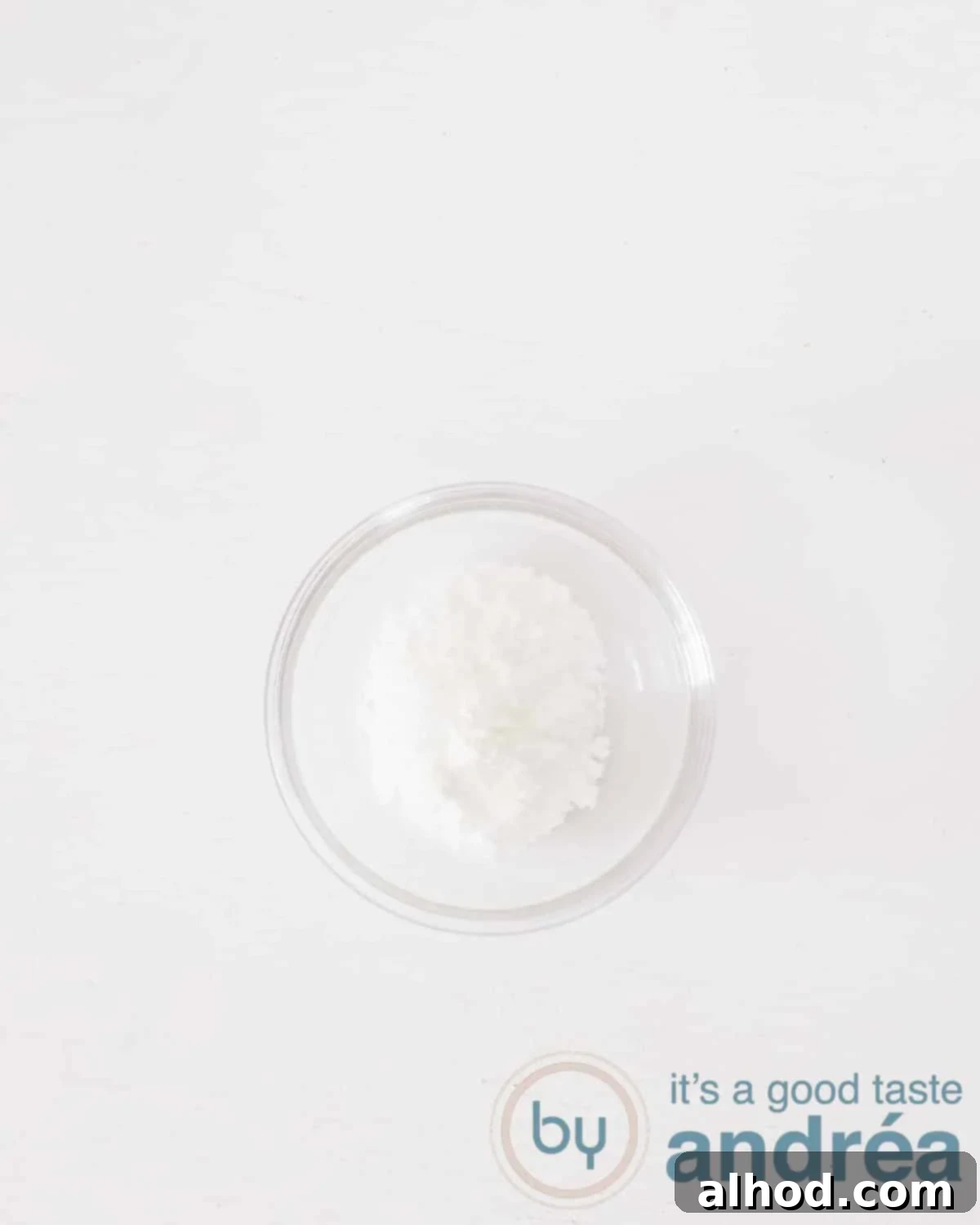
What is Baking Powder? The All-in-One Leavening Agent
Baking powder is a fascinating chemical leavening agent that’s truly a marvel of modern baking. Unlike its counterpart, baking soda, baking powder is a complete mixture designed to create lift without the need for additional acidic ingredients in your recipe. It typically consists of three main components: a base (baking soda/sodium bicarbonate), an acid (like cream of tartar, also known as tartaric acid, or other acid salts such as sodium aluminum sulfate or monocalcium phosphate), and a starch (often cornstarch or potato starch).
The starch in baking powder serves a critical role. It acts as a buffer, absorbing any ambient moisture and preventing the acidic and basic components from reacting prematurely in the package. This ensures the baking powder remains potent until it’s incorporated into your wet batter or dough. When baking powder comes into contact with the moisture in your recipe, the acid and base components begin to dissolve and react, producing carbon dioxide gas bubbles. These bubbles get trapped in the batter, expanding during baking to create a light, airy, and tender crumb in your final product.
It’s important to use baking powder in the correct proportions specified by the recipe. While it’s tempting to add extra for a “fluffier” result, using too much baking powder can lead to several undesirable outcomes. Excess baking powder can cause your baked goods to rise too quickly and then collapse, resulting in a dense texture. More commonly, it can impart an unpleasant, metallic, or bitter aftertaste due to the residual alkaline salts, making your otherwise delicious treats unpalatable. Always measure accurately to achieve the perfect balance of rise and flavor.
What Does “Double Acting” Mean?
Most baking powders available in grocery stores today are “double-acting.” This means they provide two stages of leavening, offering a more sustained and reliable rise. The first stage of activation occurs when the baking powder comes into contact with moisture in your wet ingredients. This initial reaction releases a portion of the carbon dioxide gas, providing an immediate lift to the batter. The second stage of activation is triggered by heat, typically when the batter enters the oven.
During this second heating stage, an additional acid salt (often a slower-acting one) in the baking powder mixture reacts, producing another burst of carbon dioxide. This sustained release of gas helps to stabilize the structure of your baked goods as they cook, resulting in a consistent and robust rise. This double-acting feature is particularly beneficial because it allows for a little more flexibility in your baking timeline; you don’t have to rush the batter into the oven immediately after mixing, as the leavening power is preserved and activated fully by the heat.
Rule of thumb: A common guideline is to use one teaspoon of baking powder for every 1 cup (about 120 grams) of all-purpose flour in a recipe. This ratio often provides an optimal rise for most standard baked goods.
Can You Substitute Baking Soda for Baking Powder?
Substituting baking soda for baking powder is a tricky business and generally not recommended without careful consideration. Baking soda is a pure base and requires an acidic ingredient to activate. If your recipe already contains sufficient acidic components like buttermilk, yogurt, sour cream, lemon juice, vinegar, or molasses, you might be able to make the swap. However, you must adjust the quantities precisely because baking soda is significantly more potent than baking powder.
As a general guideline, you would typically use about ¼ teaspoon of baking soda for every 1 teaspoon of baking powder called for in a recipe, *provided* there’s enough acid present. Using too much baking soda will not only lead to an over-reactive rise that quickly deflates but will also leave a distinct metallic, soapy, or bitter taste in your baked goods. Furthermore, it can cause an undesirable brownish-green tint, especially in lighter-colored cakes. While technically possible in specific scenarios, this substitution carries a high risk of compromising the taste, texture, and appearance of your finished product. It’s often safer to explore other alternatives or simply stick to the ingredient specified in the recipe.
Effective Substitutes for Baking Powder
While baking powder yields the most consistent and predictable results, there are times when you might find your pantry bare. In such instances, a few alternatives can come to your rescue, though results may vary. Here are some good substitutes:
- Homemade Baking Powder: If you have baking soda and cream of tartar on hand, you can create a fresh batch of baking powder. Mix two teaspoons of cream of tartar with one teaspoon of baking soda. For optimal freshness and potency, this mixture should be made immediately before use and not stored, as it will react over time.
- Whipped Egg Whites: For recipes where a light and airy texture is paramount, such as soufflés, meringues, or certain cakes, stiffly beaten egg whites can provide leavening. The air incorporated into the egg whites creates mechanical leavening, lifting the batter as it bakes. This method works best in recipes that can tolerate the added moisture and protein from the egg whites and don’t rely heavily on chemical leavening for structure.
- Sparkling Water or Club Soda: In some simpler recipes, especially pancakes or quick breads, replacing a portion of the liquid (water or milk) with sparkling water or club soda can provide a degree of lift. These carbonated beverages contain dissolved carbon dioxide gas, which, when released during baking, can mimic the action of chemical leavening agents. This substitute is generally less potent than baking powder, so don’t expect the same dramatic rise, but it can certainly help lighten the texture.
- Buttermilk and Baking Soda: If your recipe calls for plain milk or water and you have baking soda, you can swap the liquid for buttermilk (or make your own by adding 1 tablespoon of lemon juice or vinegar to 1 cup of regular milk and letting it sit for 5-10 minutes). The acid in the buttermilk will react with the baking soda, creating the necessary CO2. Remember to adjust the baking soda amount accordingly (typically about 1/4 teaspoon of baking soda per 1/2 cup of buttermilk).
How Long Can You Store Baking Powder?
The effectiveness of baking powder diminishes over time, primarily due to exposure to moisture and air. An unopened container of baking powder generally has a shelf life of up to 18 months from its manufacturing date. Once opened, however, its potency begins to decline more rapidly. Exposure to the air introduces moisture, which can trigger a premature reaction between its acidic and basic components. To ensure optimal performance, it’s best to use opened baking powder within 3 to 6 months, provided it’s stored in a cool, dry place.
Always keep baking powder in its original airtight container, or transfer it to another sealed container, and store it away from heat and humidity. A pantry shelf, rather than above the stove, is an ideal location. If you’re unsure about the freshness of your baking powder, it’s always a good idea to perform a quick test before incorporating it into your precious ingredients.
How to Check if Your Baking Powder is Still Active?
A simple test can quickly determine if your baking powder is still potent enough to make your baked goods rise. To perform this test:
- Place one teaspoon of baking powder into a small bowl.
- Add about three tablespoons of hot tap water over the baking powder.
- Observe the reaction: If the mixture immediately fizzes vigorously, producing a good amount of bubbles, your baking powder is still active and ready to use. If you see only a weak fizz, or no reaction at all, it’s time to replace it. Using expired or inactive baking powder will result in dense, flat baked goods that lack the desired lift and texture.
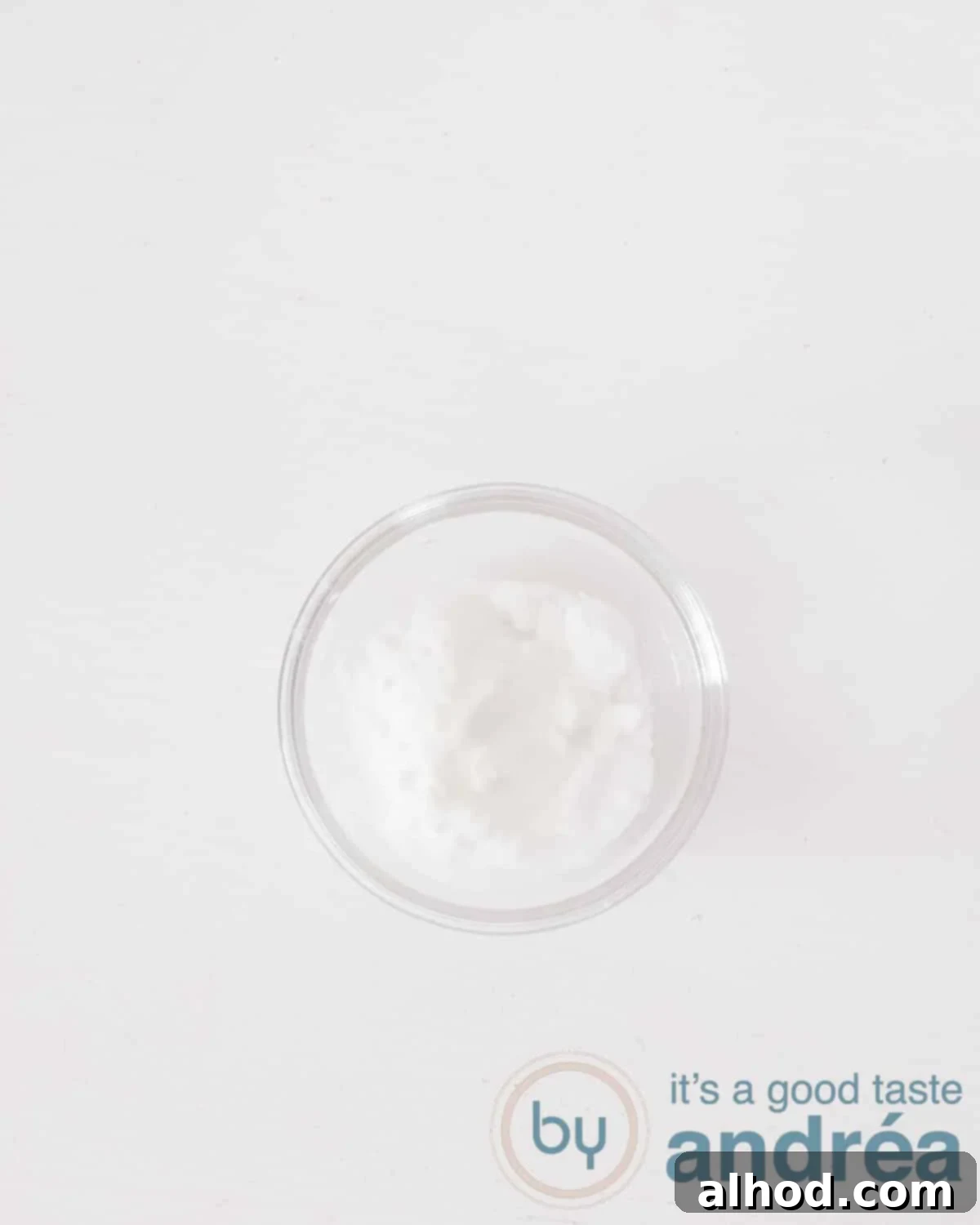
Baking Soda (Sodium Bicarbonate, Bicarbonate of Soda): The Acid-Activated Leavener
Baking soda, chemically known as sodium bicarbonate (NaHCO3), or sometimes simply referred to as bicarbonate of soda, is a pure alkaline compound, meaning it’s a base. Its leavening power is unlocked through a direct chemical reaction with an acid. When baking soda comes into contact with an acidic ingredient and moisture, it rapidly produces carbon dioxide (CO2) gas bubbles. These bubbles are the magic behind its ability to make batters and doughs rise, creating a light and tender texture.
The beauty of baking soda lies in its efficiency and rapid action. However, this also means that once activated, it starts working immediately, so batters containing baking soda should be baked without delay to capture all the gas and prevent the baked good from collapsing. Crucially, the reaction with acid also neutralizes the acid’s flavor. For example, in a recipe using buttermilk, the baking soda will react with the lactic acid in the buttermilk, reducing its sourness while simultaneously providing lift. Therefore, recipes that call for baking soda *always* include an acidic component to initiate this essential reaction. Common acidic ingredients paired with baking soda include buttermilk, yogurt, sour cream, lemon juice, vinegar, molasses, brown sugar, and natural cocoa powder.
Just like with baking powder, precision in measuring baking soda is key. Too little, and your baked goods will be dense and heavy. Too much, and you’ll end up with an unappetizing soapy, metallic, or bitter taste, often accompanied by a distinct brownish-green hue, especially noticeable in cakes and muffins made with natural cocoa. The strong alkaline residue from unreacted baking soda is responsible for these undesirable flavors and colors. Using the correct amount ensures a pleasant taste, proper rise, and appealing appearance.
Rule of thumb: A general guideline for baking soda is to use about ¼ teaspoon for every 1 cup (about 120 grams) of flour, assuming there is sufficient acid in the recipe to activate it. This ratio is significantly less than that for baking powder, highlighting its potency.
Can You Substitute Baking Powder for Baking Soda?
While it’s theoretically possible to substitute baking powder for baking soda, it’s a substitution that requires careful calculation and consideration of the recipe’s overall balance. Baking soda is approximately four times more potent than baking powder in terms of its leavening power. This means if a recipe calls for 1 teaspoon of baking soda, you would need to use about 4 teaspoons of baking powder to achieve a similar level of carbon dioxide production.
However, simply swapping in a larger quantity of baking powder introduces several potential issues. Firstly, adding such a significant amount of baking powder can introduce a bitter or metallic taste to your baked goods, as baking powder also contains residual salts. Secondly, baking powder contains its own acidic components, which might alter the pH balance of your recipe. If the original recipe relies on the acidity of an ingredient (like buttermilk) for flavor, the added acid from the baking powder could neutralize it further than intended, changing the final taste. Lastly, the increased volume of leavening agent can make the batter saltier or otherwise impact the delicate flavor profile. Due to these complexities and the need for extreme precision, substituting baking powder for baking soda is often discouraged, as it significantly increases the risk of your baked goods turning out with an undesirable taste or texture. It’s usually best to find a different recipe or secure the correct ingredient.
How Long Can You Store Baking Soda?
Baking soda, being a stable chemical compound, has a relatively long shelf life. An unopened box or container of baking soda can typically be stored for up to two years without significant loss of potency. However, once the package is opened, its effectiveness can diminish more quickly due to exposure to air and moisture, which can lead to clumping and some minor reactions.
For optimal leavening power, it’s recommended to use opened baking soda within six months, provided it is stored properly. To maximize its shelf life, always keep baking soda in a cool, dry place, ideally in an airtight container to protect it from moisture and odors, as it’s also a natural odor absorber (which is why many people keep open boxes in their refrigerators). If you’re using baking soda primarily for baking, make sure the box isn’t too old, otherwise, your baked goods might not rise as expected.
How to Check if Your Baking Soda is Still Active?
Just like baking powder, baking soda’s potency can be easily tested to ensure it will perform its leavening magic in your recipes. This simple test confirms if it can still react with an acid to produce carbon dioxide:
- Place ¼ teaspoon of baking soda into a small bowl.
- Add about three tablespoons of an acidic liquid, such as white vinegar or lemon juice, to the baking soda.
- Observe the reaction: If the mixture immediately fizzes vigorously, creating a bubbly foam, your baking soda is still fresh and active. If the reaction is weak, with few bubbles, or if there’s no fizzing at all, it indicates that your baking soda has lost its leavening power and should be replaced. This quick check can save you from flat, disappointing baked goods.
Why Do Some Recipes Use Both Baking Soda and Baking Powder? The Synergistic Approach
It might seem contradictory to use both baking soda and baking powder in a single recipe, given their distinct mechanisms. However, this combination is a deliberate choice by experienced bakers and recipe developers to achieve a specific balance of rise, texture, flavor, and even color. When both leavening agents are called for, it’s typically for several strategic reasons:
- Balancing Acidity and Maximizing Rise: Some recipes contain a moderate amount of acidic ingredients, but perhaps not enough to fully activate all the baking soda needed for an optimal rise. In these cases, baking soda is used to neutralize some of the acid, which in turn also generates initial lift. Baking powder then steps in to provide additional leavening, ensuring a consistent and robust rise without making the final product too alkaline (which would result in a soapy taste). This ensures that all the acidic ingredients are properly balanced, preventing an overly sour taste, while still achieving maximum fluffiness.
- Flavor and pH Control: Baking soda not only leavens but also neutralizes acids. If a recipe contains an acidic ingredient whose flavor is desirable (e.g., the tangy notes of buttermilk or sour cream in a biscuit, or the bright zest of lemon in a lemon cake), too much baking soda could completely neutralize that intended flavor. By using both, the baking soda neutralizes *some* of the acid, contributing to the rise and softening the tang, while the baking powder provides additional lift without altering the remaining acidic flavor components. This allows the recipe to retain subtle acidic notes that enhance the overall taste.
- Achieving Desirable Browning and Color: Acidity plays a crucial role in the Maillard reaction, which is responsible for the delicious browning and complex flavors developed during baking. If a batter is too alkaline (due to excessive baking soda and insufficient acid), it can brown too quickly or develop an undesirable color. By using a combination, the pH level of the batter can be carefully controlled. Baking soda can slightly raise the pH (make it more alkaline) which can enhance browning in some instances, while the baking powder ensures a stable rise. This careful balance helps achieve that beautifully golden-brown crust and appealing color in many baked goods, such as cookies, cakes, and muffins.
- Structural Integrity: The initial rapid burst of CO2 from baking soda provides an immediate lift, while the more sustained release from double-acting baking powder helps to create a stable structure as the batter bakes. This dual action contributes to a fine crumb and consistent texture, preventing the baked good from collapsing after its initial rise.
In recipes that use both baking soda and baking powder, it’s generally not advisable to substitute the flour with self-rising flour. Self-rising flour already contains baking powder and salt, and adding more leavening agents could over-aerate your dough or batter, leading to an unwanted texture or taste. Stick to the recipe’s specified flour type to maintain the intended balance.
Did you make a delicious recipe using these tips? Tag #byandreajanssen via Instagram! I love to see what your creation looks like and regularly share the most beautiful photos from my community! Did you find this guide helpful? Then leave a rating or comment below! Your feedback helps other home cooks and me enormously.
Need more inspiration?
- You can find exciting video recipes on my YouTube channel.
- And don’t forget to save your favorite recipes on Pinterest, so you can easily find them again next time you’re in the kitchen!
Explore Recipes Featuring Baking Powder and/or Baking Soda
Now that you’re well-versed in the science behind baking soda and baking powder, it’s time to put your knowledge to the test! Whether you’re aiming for a light and fluffy cake, tender muffins, or rich quick breads, understanding which leavening agent to use (or when to use both) is key to unlocking delicious results. Here are some fantastic recipes from my collection that showcase the magic of these essential ingredients. Click through to discover how they contribute to the perfect texture and flavor in each dish!