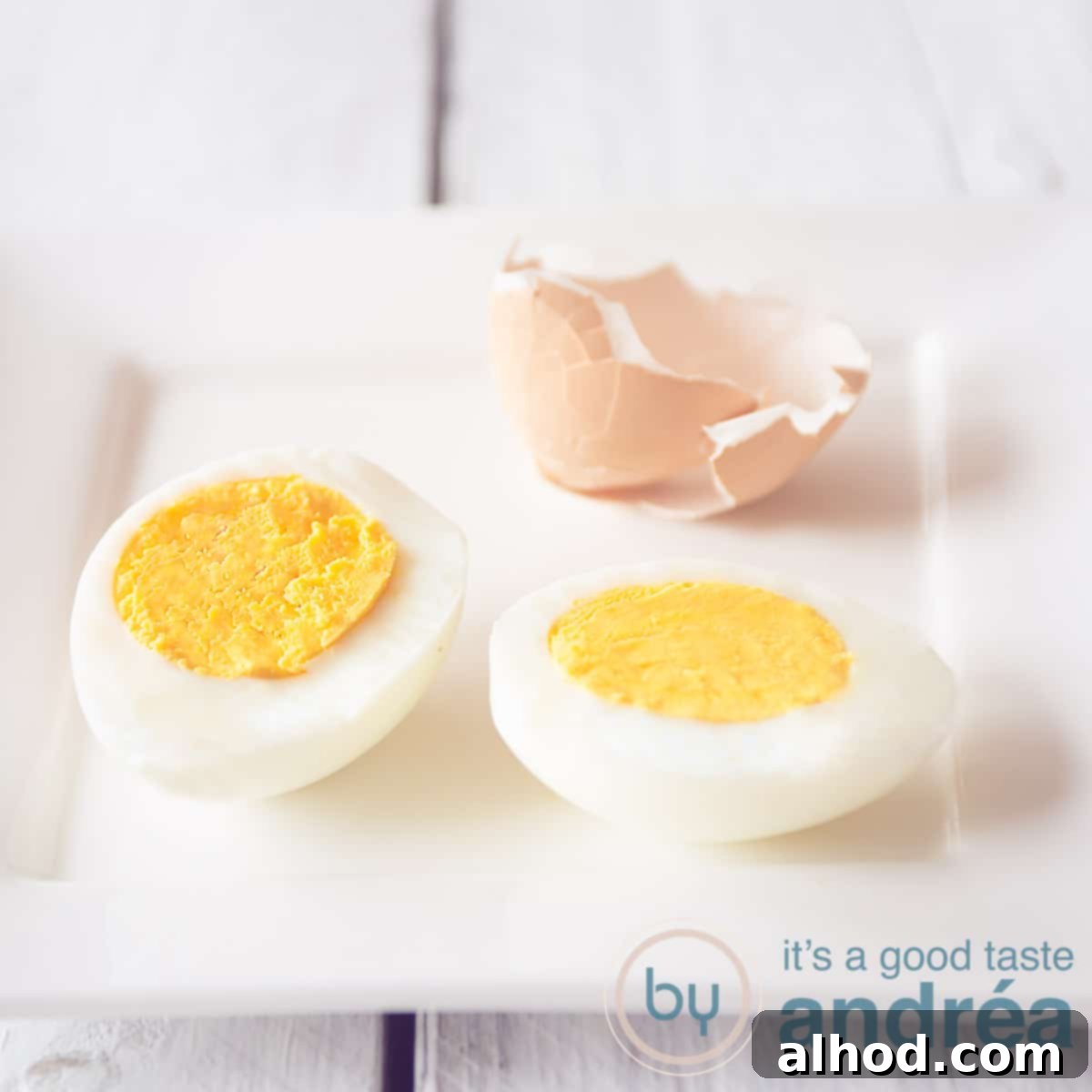
The Ultimate Guide to Boiling Perfect Eggs: Soft, Hard, and Easy Peel Every Time
Achieving the perfect hard-boiled or soft-boiled egg might seem like a simple task, yet many find themselves frustrated with green rings, stuck shells, or inconsistent textures. This comprehensive guide will equip you with a foolproof method that guarantees beautifully cooked eggs, whether for a leisurely Sunday breakfast, elegant deviled eggs, or hearty rendang eggs. We’ll cover everything from the ideal cooking technique to effortless peeling and even energy-efficient tips, ensuring you master the art of egg boiling.
There’s nothing quite like starting your Sunday morning with a perfectly cooked egg. While some prefer the delicate, runny yolk of a soft-boiled egg, others crave the satisfying firmness of a hard-boiled one. This guide caters to all preferences, ensuring consistent, delicious results every single time.
The Science Behind a Perfectly Boiled Egg
Boiling an egg involves a delicate balance of time and temperature. The primary goal is to coagulate the proteins in the egg white and yolk without overcooking them. Overcooking leads to the dreaded greenish-gray ring around the yolk, a result of hydrogen sulfide (from the egg white) reacting with iron (from the yolk) when heated for too long. This guide focuses on a method that prevents this discoloration, ensuring a vibrant, appealing egg.
Another common issue is tough egg whites. This often happens when eggs are boiled too vigorously. Our method emphasizes cooking rather than intense boiling, which maintains the tender texture of the egg white while still achieving the desired doneness.
Finding the Sweet Spot: The Ideal Cooking Time
The key to a perfect boiled egg lies in precise timing. You want to avoid cooking the egg for too long, which can lead to that unappetizing green tint around the yolk and a rubbery texture. Conversely, cooking it for too short a period will result in an undercooked egg that is not fully set, which can be disappointing if you’re aiming for a hard-boiled egg.
Beyond cooking duration, there are a few other critical factors for success. For effortless peeling, it’s generally recommended to avoid extremely fresh eggs, as their inner membrane tends to stick more stubbornly to the egg white. Additionally, an immediate “shock” in cold water after cooking is crucial for halting the cooking process and facilitating easy shell removal. With these expert tips and tricks, you’ll consistently achieve perfectly cooked and easily peeled eggs.
Versatile Uses for Your Perfectly Boiled Eggs
Perfectly boiled eggs are incredibly versatile. They are, of course, a delightful addition to a leisurely Sunday breakfast or brunch. But their utility extends far beyond that. They are the star ingredient in classic recipes such as deviled eggs, offering a rich and creamy appetizer. They also add protein and substance to dishes like this Asian chicken soup, enhancing flavor and nutritional value. For those seeking innovative ways to use up any surplus eggs, explore these 11 creative recipes for using your leftover hard-boiled eggs, from salads and sandwiches to flavorful curries and beyond.
Consider adding them to a niçoise salad, mashing them for an egg salad sandwich, or simply sprinkling them with salt and pepper for a healthy snack. They make excellent garnishes for soups and stews and can even be incorporated into dishes like Scotch eggs or as part of a vibrant charcuterie board. The possibilities are truly endless!
Foolproof Method: Tips and Time for Cooking Eggs
This method focuses on a cold water start, which helps prevent cracked shells and allows for more precise temperature control, especially for energy efficiency. Follow these steps for consistently perfect results.
Step 1: Start with Cold Water
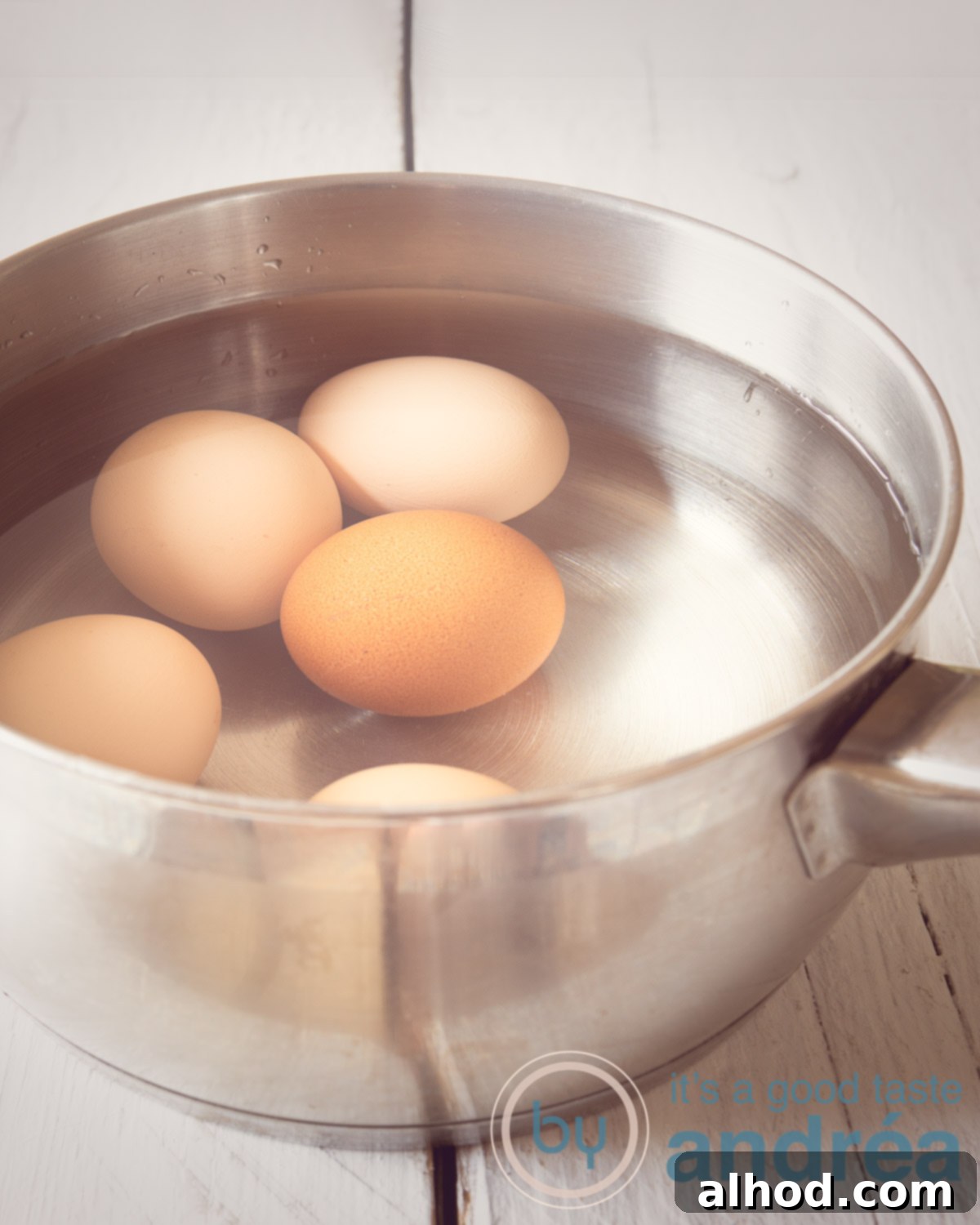
Carefully place your eggs (maximum one layer deep) in a saucepan. Fill the pan with cold tap water, ensuring the water level rises approximately 1 inch (2 cm) above the top of the eggs. Starting with cold water helps the eggs cook more evenly, reduces the risk of cracking, and makes the timing more consistent.
Step 2: Bring to a Gentle Boil
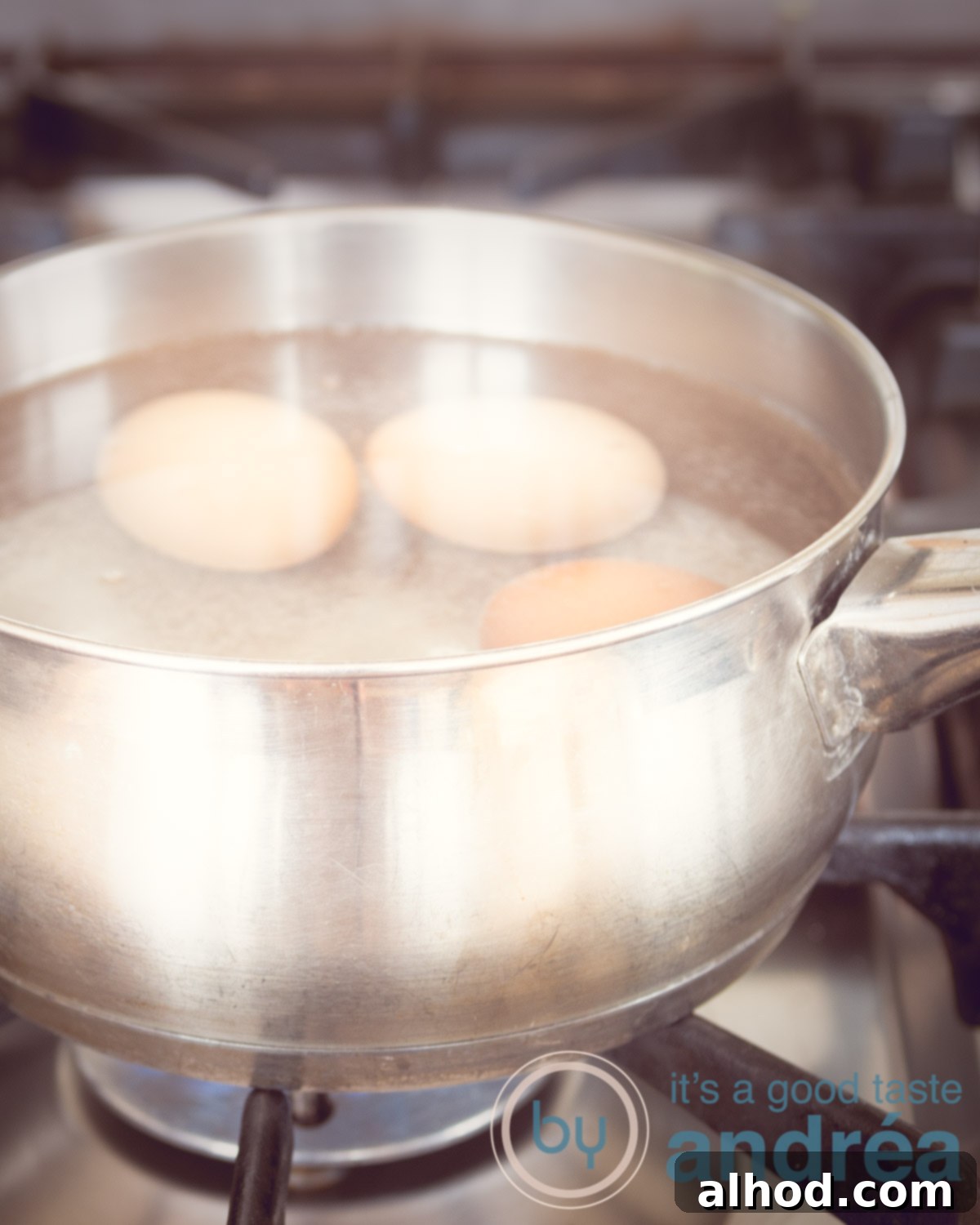
Place the pan on the stove over medium-high heat. Bring the water to a full, rolling boil. This usually takes several minutes, depending on the volume of water and the strength of your stove. Watch for steady, large bubbles indicating a strong boil.
Step 3: Cook, Don’t Boil – Energy Efficient Cooking
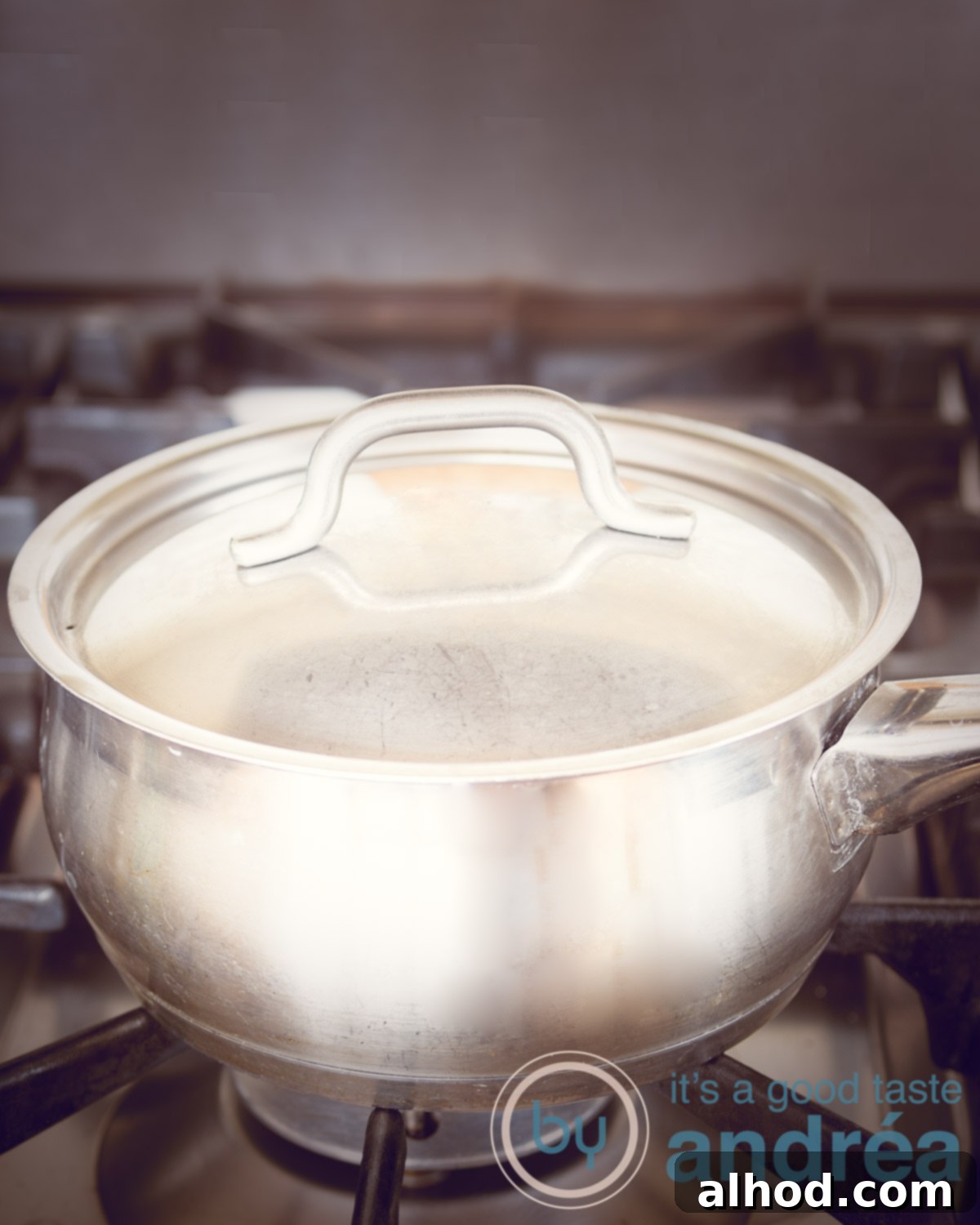
As soon as the water reaches a rolling boil, immediately turn off the heat. Crucially, place a tight-fitting lid on the pan. This technique allows the eggs to cook gently using the residual heat of the hot water, rather than being aggressively boiled. This prevents the whites from becoming tough and rubbery, and more importantly, avoids the unattractive greenish-gray ring around the yolk that indicates overcooked eggs. This method is also highly energy-efficient, as you’re only using active heat for a short period.
Now, let the eggs sit in the hot water, covered, for the following recommended times, depending on your desired consistency:
- Soft-boiled egg (runny yolk): 4 to 5 minutes
- Medium-boiled egg (creamy, slightly set yolk): 6 to 7 minutes
- Hard-boiled egg (firm, fully set yolk): 8 to 9 minutes
Pro Tip: For large or extra-large eggs, you might add an extra 30-60 seconds to these times to achieve the desired doneness.
Step 4: The Ice Bath – Your Secret to Easy Peeling
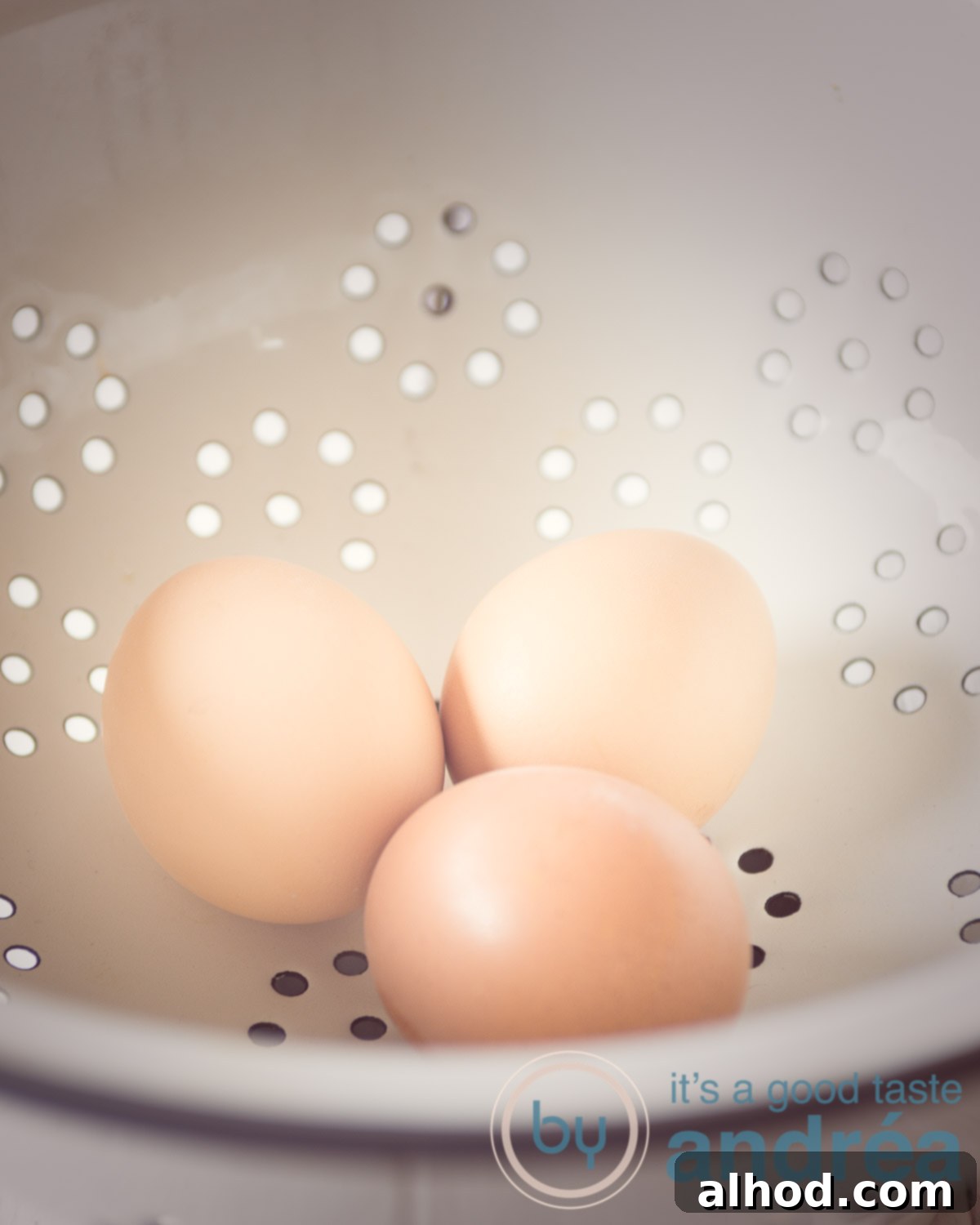
This step is absolutely critical for easy peeling! Once the cooking time is complete, immediately drain the hot water from the pan. Transfer the eggs to a colander or sieve and rinse them thoroughly under vigorously running ice-cold water, or even better, plunge them into a bowl of ice water for at least 5-10 minutes. This “shocking” process rapidly cools the eggs, causing the egg white to contract and pull away from the shell membrane, making peeling significantly easier.
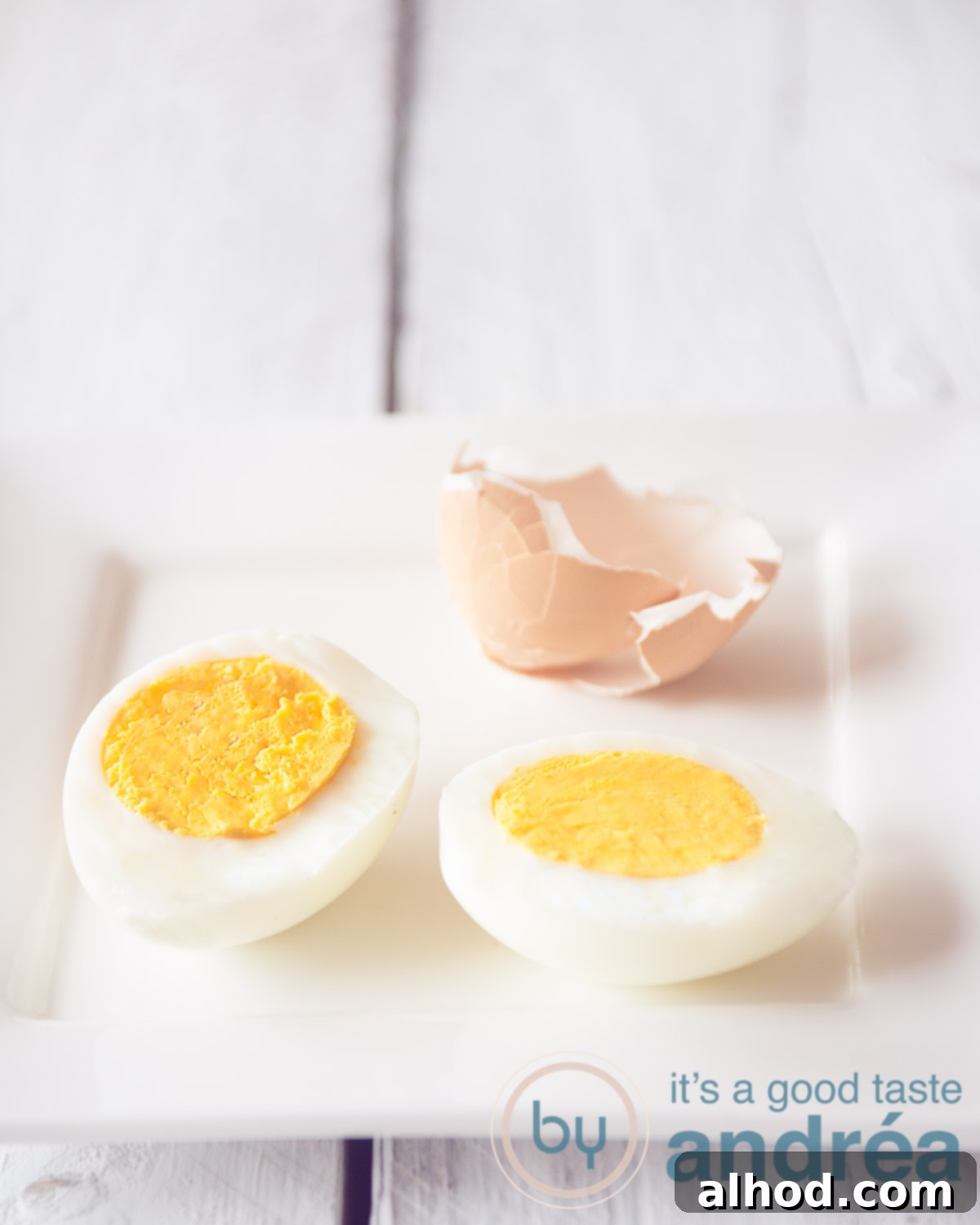
Once cooled, gently tap the egg on a hard surface, then roll it to crack the shell all around. The shell should slide off effortlessly under cold running water. Your perfectly cooked and easily peeled eggs are now ready to enjoy!
Troubleshooting Common Egg Boiling Problems
- Green Ring Around Yolk: This is a sign of overcooking. Reduce your cooking time by 1-2 minutes next time, or ensure you remove the pan from heat immediately after boiling.
- Shells Sticking: Extremely fresh eggs are notoriously difficult to peel. Use eggs that are at least a week old. Also, ensure you use the ice bath method rigorously.
- Cracked Shells During Cooking: Starting with cold water usually prevents this. You can also add a pinch of salt to the water, which can help seal small cracks.
- Rubbery Whites: Caused by boiling too intensely or for too long. Our “cook, don’t boil” method directly addresses this.
Smart Storage for Raw and Boiled Eggs
Proper storage is essential for maintaining the freshness and safety of your eggs. In many regions, like the Netherlands, supermarkets don’t refrigerate eggs because the ambient temperature is consistently cool. However, at home, refrigeration is highly recommended, especially after purchase, to extend their shelf life and prevent bacterial growth.
Always store eggs in their original carton. The carton not only protects the eggs from damage but also shields them from absorbing strong odors from other foods in your refrigerator, as eggshells are porous. Place them in the coolest part of your fridge, typically on a middle shelf, rather than in the door, where temperatures can fluctuate more frequently.
Hard-boiled eggs, once cooked and cooled, should be stored in the refrigerator. If peeled, store them in an airtight container with a damp paper towel to prevent them from drying out. They are best consumed within one week.
Do you have raw eggs nearing their expiration date? Don’t let them go to waste – you can freeze them! While you can’t freeze whole eggs in their shell, you can beat them lightly (either whole, yolks only, or whites only) and store them. A great trick is to use a cupcake tin: crack an egg into each mold, lightly beat it, and freeze. Once solid, pop them out and transfer them to a freezer bag or airtight container. Frozen eggs are no longer suitable for boiling or frying as whole eggs, but they are perfect for baking pancakes, adding to cakes, or incorporating into oven dishes, casseroles, or scrambled eggs. They can be stored for up to a year.
How to Test Egg Freshness
While the date on the carton provides a good indication, you can easily test the freshness of your eggs at home. This simple float test is a reliable method:
- Fill a container or bowl with cold water. Ensure there’s enough water to completely submerge an egg.
- Carefully lower the egg into the water.
- Flat on the bottom: If the egg lies flat on its side at the bottom, it’s very fresh and perfect for all uses.
- Point on the bottom, stands upright: If the egg stands upright on its pointed end, it’s about 2 to 3 weeks old. This is still perfectly safe and good to use, though it might be slightly easier to peel than a very fresh egg.
- The egg floats: If the egg floats to the surface, it means a significant air cell has formed inside, indicating it’s quite old and likely spoiled. It’s best to discard floating eggs.
This test works because as an egg ages, its porous shell allows air to enter, increasing the size of the air cell inside, which makes the egg more buoyant.
A Modern Twist: Cooking Eggs in the Air Fryer
For those seeking an alternative to stovetop boiling, the air fryer offers a convenient and surprisingly effective method for cooking eggs. This “dry” cooking technique can yield perfectly cooked eggs with minimal effort and no water involved, making it a favorite for many busy home cooks.
To cook eggs in an air fryer:
- Preheat your air fryer to 250 °F (ca. 120 °C).
- Carefully place the desired number of eggs in the air fryer basket in a single layer. Do not overcrowd the basket.
- Set the cooking time:
- For a soft-boiled egg with a runny yolk: Cook for 12 minutes.
- For a medium-boiled egg with a creamy yolk: Cook for 13-14 minutes.
- For a hard-boiled egg with a firm, set yolk: Cook for 15-16 minutes.
- Once the cooking time is complete, immediately transfer the eggs to an ice bath for 5-10 minutes. This is still crucial for stopping the cooking process and ensuring easy peeling.
Air fryer eggs often result in a slightly different texture than traditionally boiled eggs, sometimes with a slightly softer white, but they are equally delicious and convenient. Experiment with your specific air fryer model, as cooking times can vary slightly.
The Nutritional Powerhouse of Eggs
Beyond their culinary versatility, eggs are incredibly nutritious. They are a complete protein source, meaning they contain all nine essential amino acids necessary for human health. Eggs are also packed with vitamins and minerals, including Vitamin D, B vitamins (B2, B6, B12), choline (crucial for brain health), selenium, and zinc. Despite past concerns about cholesterol, current research suggests that for most healthy individuals, dietary cholesterol from eggs has little impact on blood cholesterol levels. Incorporating eggs into your diet is an excellent way to boost your nutrient intake and stay satisfied.
Conclusion: Mastering the Perfect Egg
You now possess the knowledge and techniques to consistently boil perfect eggs, whether you prefer them soft, medium, or hard. From the initial cold water start to the essential ice bath, each step plays a vital role in achieving that ideal texture and effortless peel. Remember the energy-saving benefits of our “cook, don’t boil” method and how to wisely store and even freeze your eggs. Armed with these tips, you’re ready to elevate your culinary creations, from simple breakfasts to elaborate dishes, ensuring delicious, perfectly cooked eggs every time. Happy cooking!