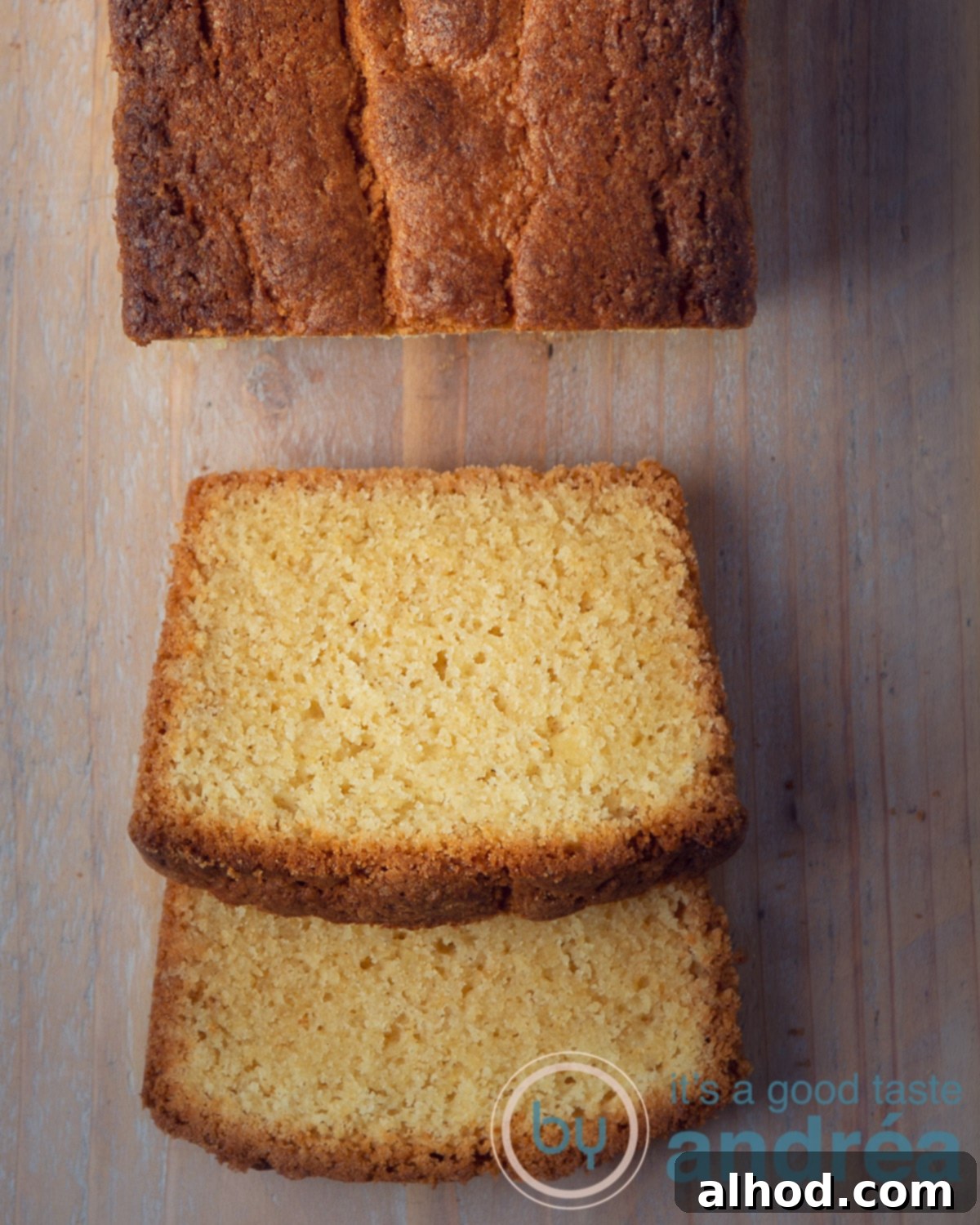
Classic Dutch Pound Cake: An Easy, Moist & Tender Traditional Recipe for Every Baker
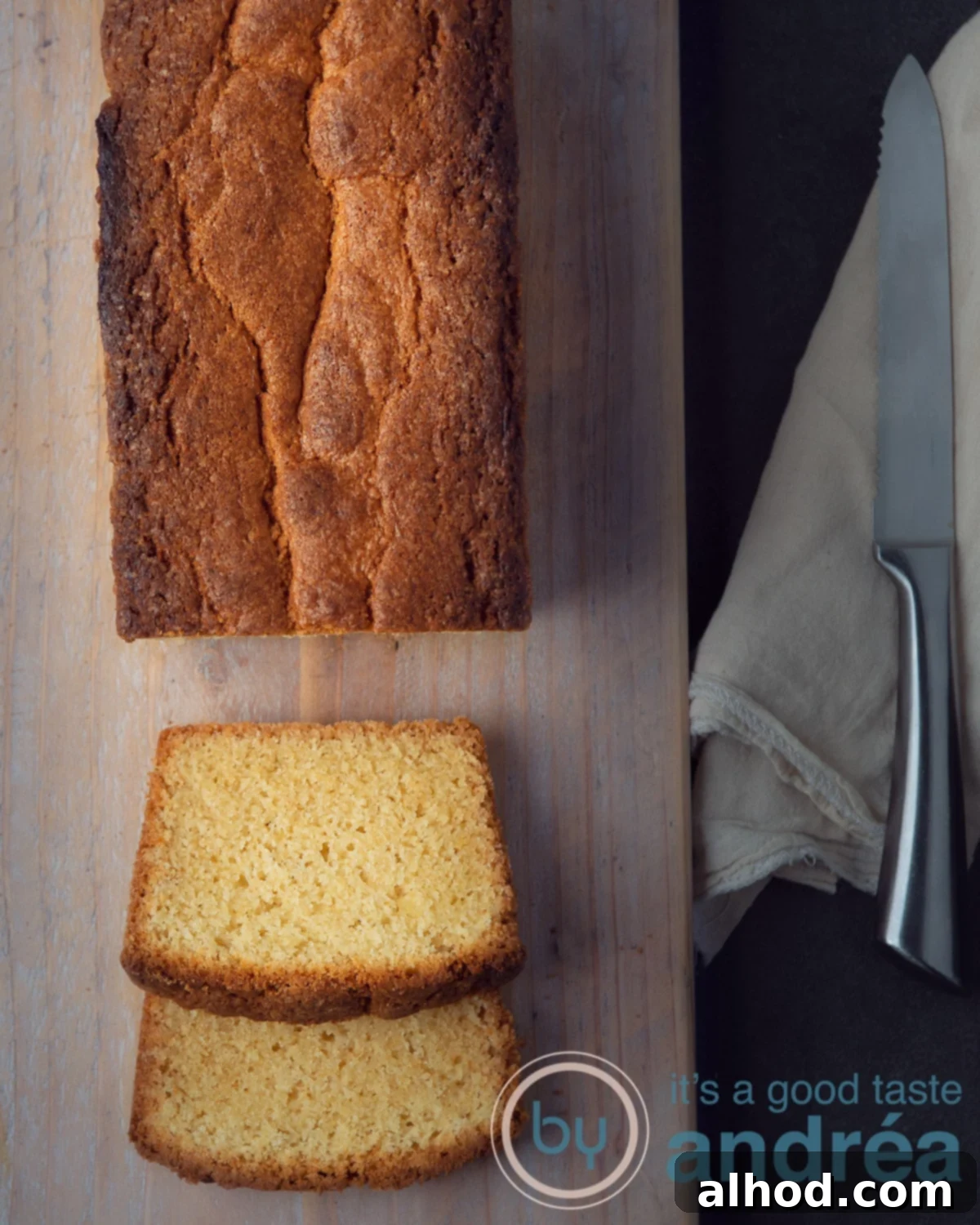
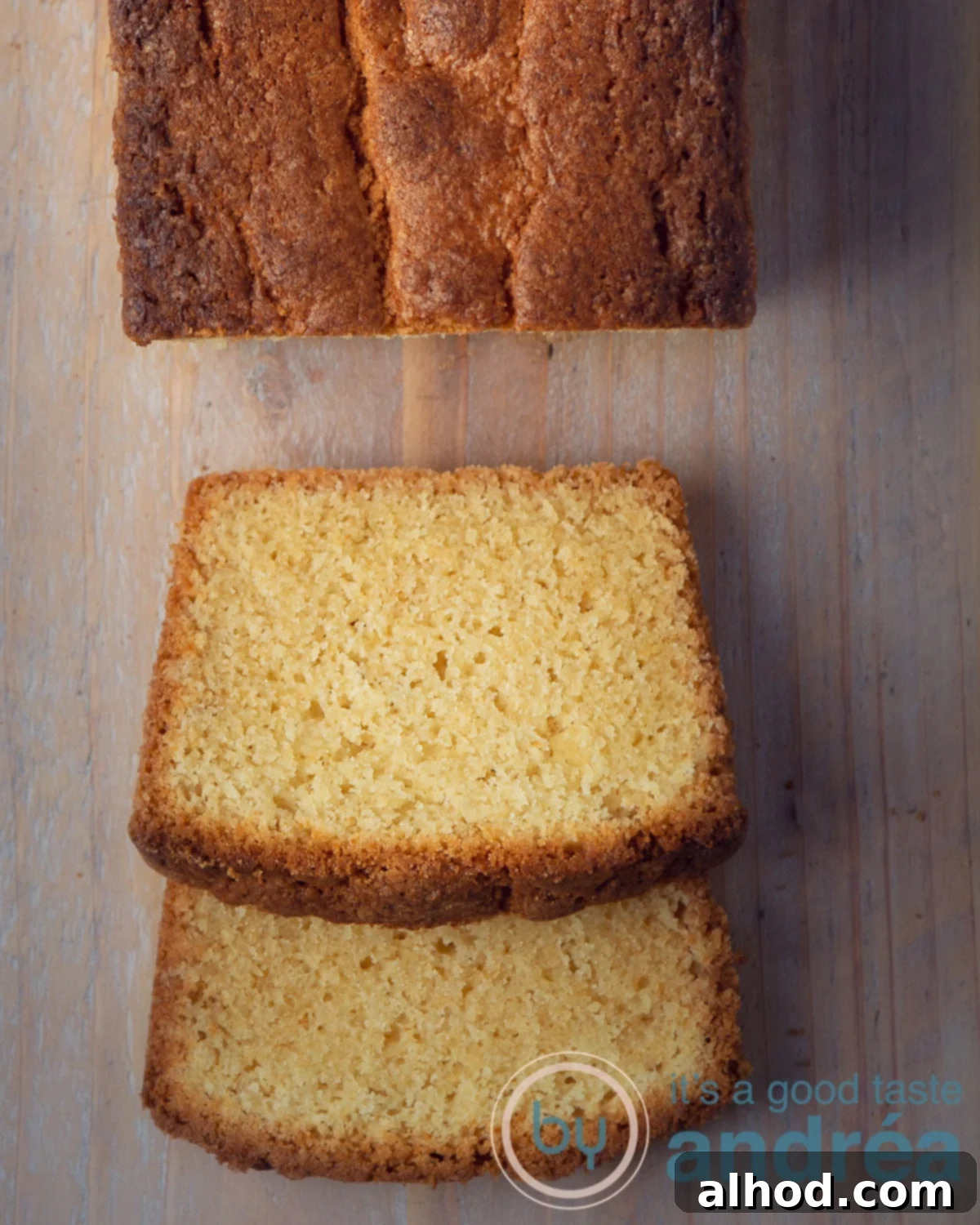
There’s something truly special about a homemade pound cake. Simple, yet profoundly satisfying, it embodies comfort and tradition. This particular Easy Dutch Pound Cake recipe is a timeless classic, renowned for its incredibly creamy texture, rich moisture, and tender crumb. It’s a testament to the fact that you don’t need elaborate additions for a truly delicious treat. This basic recipe is not only straightforward to bake but also incredibly versatile, allowing you to experiment with various fillings and toppings. It’s the quintessential foundational pound cake recipe that every home baker should have in their repertoire, promising delightful results every single time.
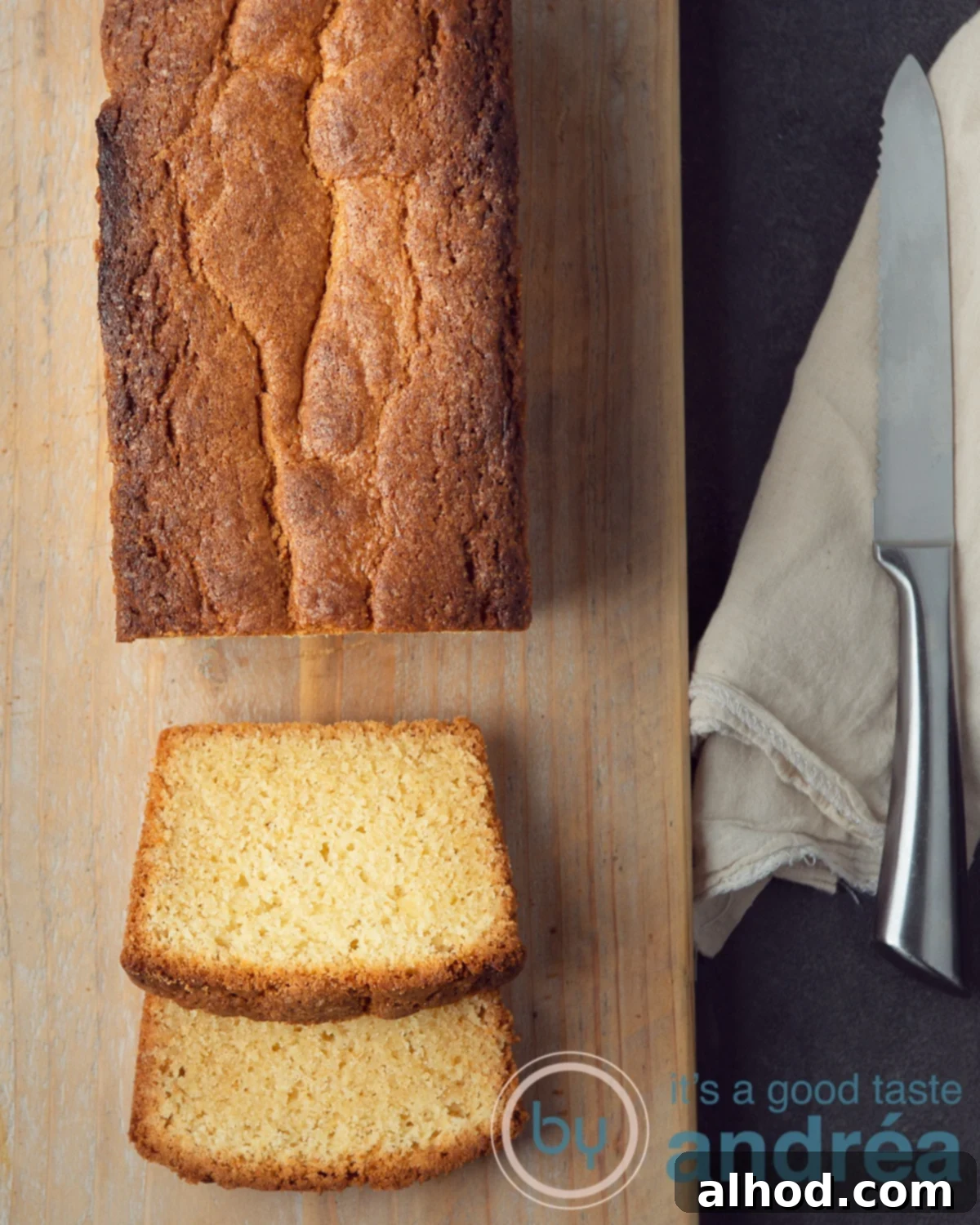
This traditional Dutch Pound Cake recipe has been a treasured staple in my cookbook for years. Its reliability and exquisite flavor make it my go-to base for countless variations of delicious pound cakes. It’s the kind of recipe that consistently delivers, making it a favorite for family gatherings, quiet evenings, or whenever a craving for something sweet and comforting strikes.
Today, I’m sharing the pure, unadulterated version of this beloved cake. No fancy additions, just simple, honest ingredients coming together to create magic. Interestingly, this straightforward rendition is often declared the most delicious by many (especially those under 18 in my household!). Its universal appeal lies in its perfect balance of sweetness, richness, and that distinctively moist and tender crumb that defines a great pound cake. If you’re looking for a dependable, easy-to-master Dutch pound cake recipe, look no further – this one is highly recommended and will surely become a favorite in your kitchen too!
Unleash Your Creativity: Endless Variations of This Basic Pound Cake
While this classic Dutch pound cake is delightful on its own, its simplicity makes it a fantastic canvas for culinary creativity. The variations are truly endless, allowing you to tailor it to any occasion or personal preference. Imagine adding a handful of fresh blueberries or raspberries for a burst of fruity flavor, or perhaps some chopped walnuts or pecans for a satisfying crunch. A sprinkle of aromatic cinnamon or a hint of cardamom can introduce a warm, spicy note. For chocolate lovers, simply mixing a few tablespoons of cocoa powder into the batter transforms it into a rich and indulgent chocolate pound cake. You could also swirl in some fruit preserves, drizzle with a lemon glaze, or even top it with fresh whipped cream and berries. This basic recipe empowers you to explore and create your own signature pound cake masterpieces!
Essential Ingredients for Your Traditional Dutch Pound Cake
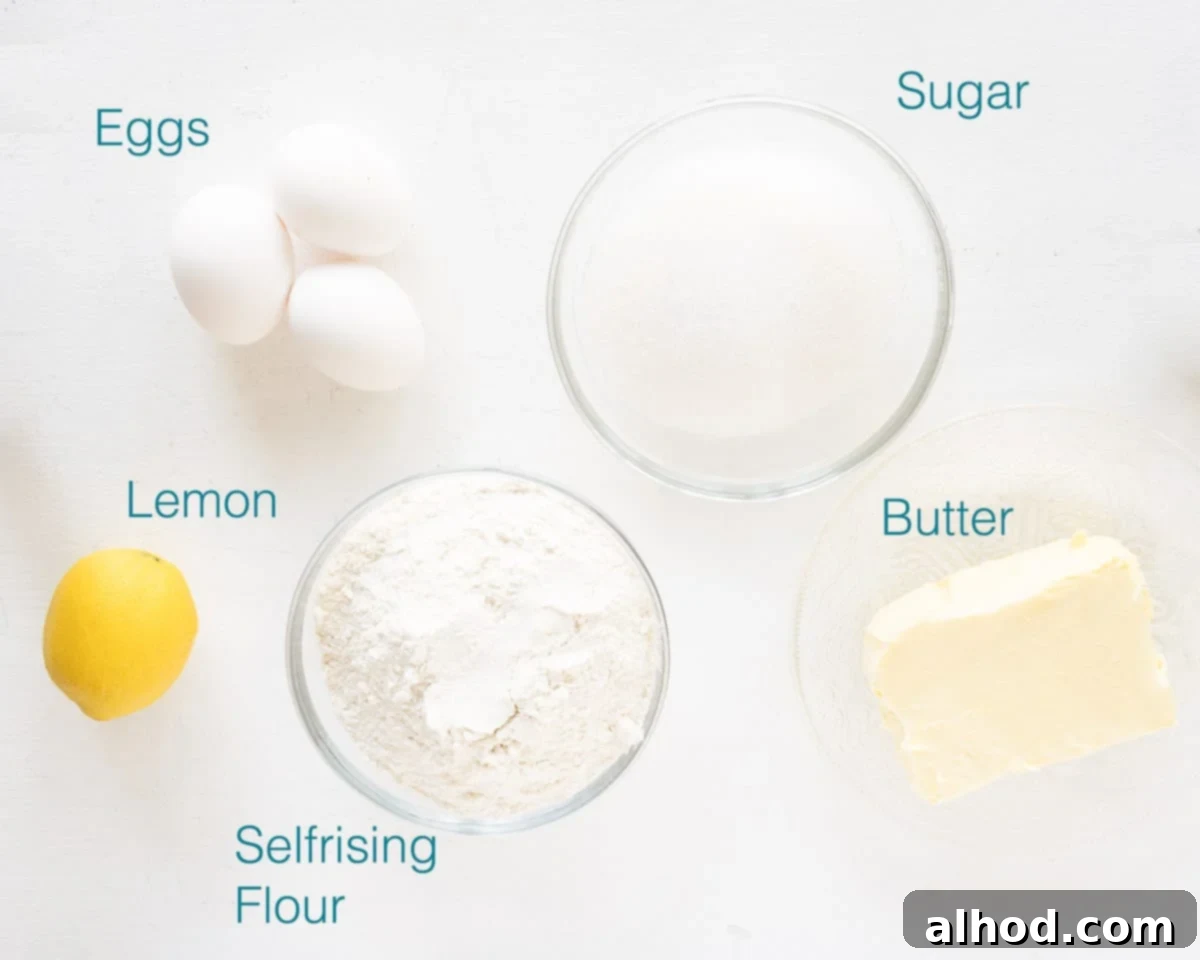
Crafting this delicious Dutch Traditional Pound Cake requires only a handful of pantry staples. The magic lies not in exotic ingredients, but in the quality of these basic components and how they are handled. Here’s a quick overview of what you’ll need to gather:
Choosing the Right Flour: Self-Rising vs. All-Purpose
For an authentic Dutch pound cake, self-rising flour is the traditional choice. This type of flour already contains a leavening agent (baking powder) and a touch of salt, which helps the cake achieve its characteristic airy and light texture. The pre-mixed leavening ensures a consistent rise, making the baking process even simpler. However, if self-rising flour isn’t readily available in your pantry, don’t fret! You can easily create your own substitute. Simply combine 1⅔ cups of all-purpose flour with ¾ teaspoon of baking powder and a pinch of salt. Sift them together thoroughly to ensure the leavening is evenly distributed. This will yield a result very close to using self-rising flour, ensuring your cake is just as airy and delightful.
Other key ingredients include unsalted butter, granulated sugar, large eggs, and the bright zest of a lemon. Each plays a crucial role: the butter provides richness and tenderness, the sugar contributes sweetness and moisture, the eggs add structure and bind everything together, and the lemon zest imparts a beautiful, subtle citrus aroma that brightens the entire flavor profile of the cake. Ensuring all these ingredients are at room temperature is paramount for achieving the best texture, as we’ll discuss further in the baking tips below.
Step-by-Step: How to Bake the Perfect Dutch Pound Cake
Baking this classic Dutch pound cake is a straightforward process, but a few key techniques will ensure a perfect result every time. For precise ingredient measurements and a printable recipe card, scroll to the bottom of this page. Here’s a general overview of the baking journey:
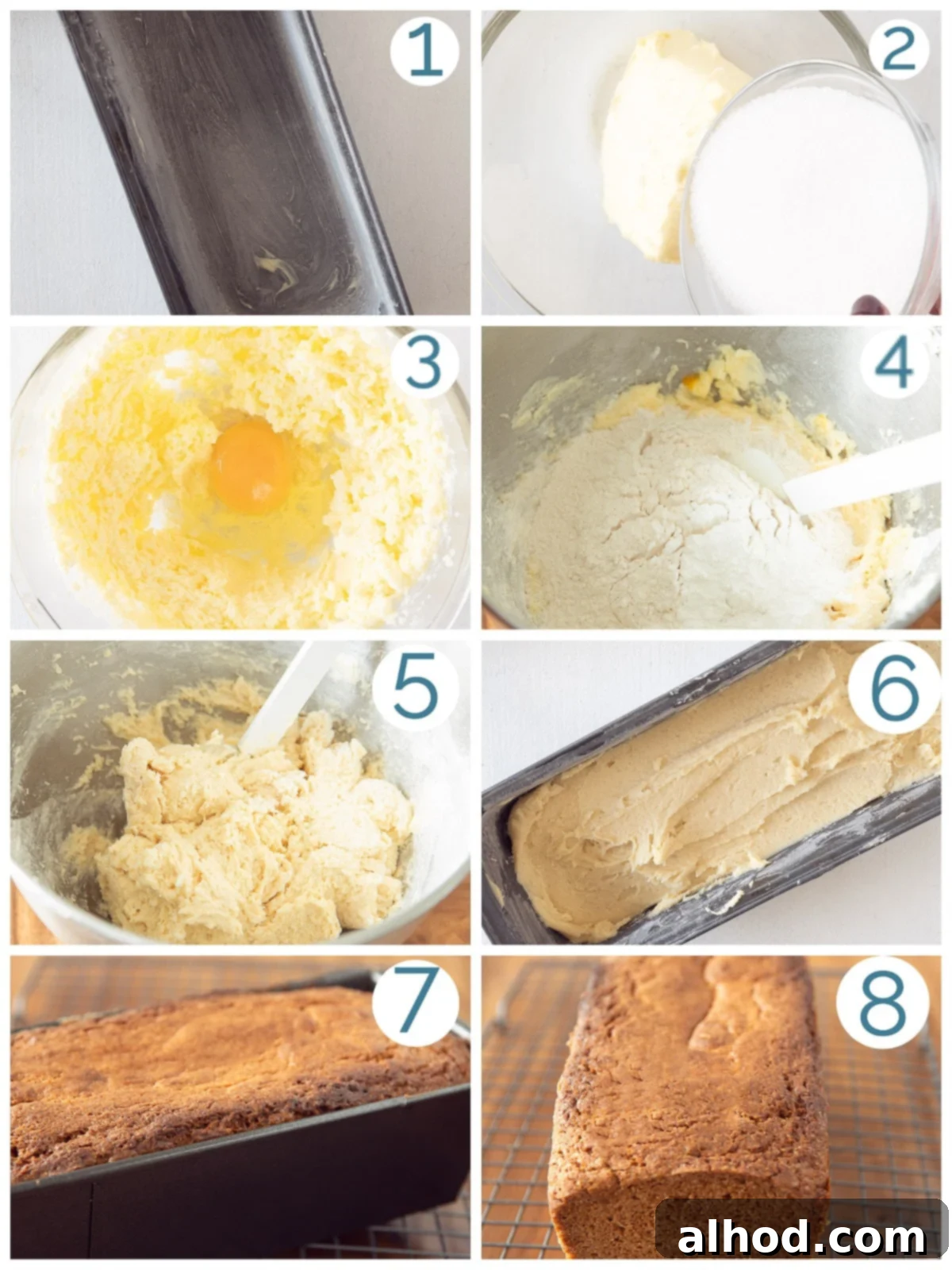
The journey to a perfect pound cake begins by creaming together the softened butter and granulated sugar until the mixture is light and airy. This crucial step incorporates air, which contributes significantly to the cake’s tender structure. Next, the eggs are added one by one, ensuring each is fully incorporated before adding the next, preventing the batter from curdling and maintaining its smooth consistency. Once the wet ingredients are perfectly combined, the dry ingredients (self-rising flour or its homemade equivalent) and the fragrant lemon zest are gently folded in with a spatula. It’s important not to overmix at this stage to keep the cake tender. The batter is then transferred to a prepared loaf pan, smoothed on top, and baked in a preheated oven at 320 °F (160 °C) until it achieves a beautiful golden-brown hue and a skewer inserted into the center comes out clean. After baking, allow the cake to rest in the tin for about 5 minutes before transferring it to a wire rack to cool completely.
Essential Baking Tips for Pound Cake Perfection
Achieving that perfectly moist, tender, and airy Dutch pound cake requires attention to a few critical details. These tips are key to baking success:
- Room Temperature Ingredients: The Foundation of Airiness
It is absolutely essential that all your ingredients—butter, eggs, and even flour—are at room temperature before you start mixing. Room temperature butter creams more effectively with sugar, incorporating more air and creating a lighter, fluffier batter. Similarly, room temperature eggs emulsify better into the batter, leading to a smoother, more uniform mixture. This optimal temperature ensures a better overall structure and a wonderfully airy crumb for your finished cake. - Don’t Overbeat: The Secret to Tenderness
While creaming butter and sugar requires thorough beating, it’s crucial not to overmix once the flour is added. The recipe card (found at the bottom of this blog post) specifies the right amount of time and speed for mixing. Stick to these guidelines. Overmixing develops the gluten in the flour too much, which can result in a dense, tough, and less airy cake. A gentle hand with a spatula once the dry ingredients are introduced is usually all that’s needed to combine them just until no streaks of flour remain. - Oven Temperature Matters: Preventing Cracks and Ensuring Even Rise
The type of oven you use can significantly impact your cake. For a conventional oven, a temperature of 320 °F (160 °C) is ideal. If you’re using a convection oven (which typically has a heat fan), you’ll need to lower the temperature to around 285 °F (140 °C) to prevent the cake from baking too quickly on the outside. Whenever possible, I recommend using a conventional oven for pound cakes. It provides a more even heat distribution, which helps the cake rise more uniformly and reduces the likelihood of it bursting or cracking excessively on top, leading to a prettier and more consistent bake. - Keep the Oven Door Closed: A Golden Rule
Patience is a virtue in baking, especially when it comes to pound cakes. Never open the oven door during the first two-thirds of the baking time, and ideally, not before the very end. A sudden change in temperature from opening the door can cause the delicate structure of the rising cake to collapse, resulting in a sunken or dense center. Trust the process and your oven, and only open the door when absolutely necessary to check for doneness.
Did you make this delicious recipe? Tag #byandreajanssen via Instagram! I love to see what your creation looks like and regularly share the most beautiful photos of you! Did you like this recipe? Then leave a rating on the recipe card! Your feedback helps other home cooks and me enormously.
Need more inspiration?
- You can find video recipes on my YouTube channel.
- And don’t forget to save the recipes on Pinterest, so you can easily find them again next time!
📖 Recipe
RECIPE CARD
 Andréa
Pin Recipe
Equipment
-
A conventional oven is used. When using a convection oven (with air fan) decrease the temperature with 30 °F / 20 °C
-
Cake tin 10.5 inch / 26 cm
-
Hand Mixer
-
Silicon spatula
Ingredients
- 1⅔ cups self-rising flour
- 1 cup sugar
- 4 eggs , size L
- ⅞ cups butter, unsalted, and some extra for buttering the cake tin
- 1 teaspoon lemon, rind, grated finely
All my recipes are written both in Metric (gram / ml) and US Customary (cups / pounds). Here you can select which type of amount you would like to see.
Instructions
-
Preheat the oven to 320 °F (160 °C).
-
Grease a loaf pan with butter, and sprinkle some flour into the tin. Make sure the bottom and sides are covered with flour. Tap out the access flour.
-
Mix the butter and the sugar for 5 minutes.⅞ cups butter, 1 cup sugar
-
Add the eggs (one by one). Add the next one when the previous one is fully incorporated.4 eggs
-
When the eggs are incorporated stop mixing.
-
Add the flour and lemon rind to the batter and gently mix it with a spatular until mixed.1⅔ cups self-rising flour, 1 teaspoon lemon
-
Put the dough in a cake tin and flatten the top.
-
Bake the cake in the oven.
-
After one hour the cake should be ready. Check it with the skewer method (described below).
-
Let the cake rest 5 minutes before removing the tin.
-
After removal, cool the cake on a wire rack.
Notes
The Dutch traditionally opt for self-rising flour in their cakes because it already contains baking powder, which helps the cake become wonderfully airy. If self-rising flour isn’t available, you can easily create a substitute by combining 1⅔ cups of all-purpose flour with ¾ teaspoon of baking powder and a pinch of salt. Make sure to whisk them together well to ensure even distribution of the leavening agent.
2. Ingredients Temperature – Vital for Texture
For maximum airiness and a superior crumb structure, all your ingredients (butter, eggs, and even flour) should be at room temperature. This ensures they emulsify smoothly into the batter, preventing curdling and allowing for better aeration, which leads to a lighter and more consistent cake.
3. Don’t Overbeat – Preserve the Airiness
It’s crucial to follow the mixing times and speeds indicated in the recipe precisely. Over-beating the batter, particularly after adding flour, can overdevelop the gluten, resulting in a dense and tough cake rather than the desired airy and tender texture. Mix just until ingredients are combined.
4. Oven Temperature – The Key to an Even Rise
Bake this pound cake in a conventional oven at 320 °F (160 °C). If you’re using a convection oven (with a heat fan), reduce the temperature to 285 °F (140 °C), as these ovens bake more intensely. A conventional oven is generally preferred for pound cakes as it helps them rise more evenly and minimizes cracking on the surface, ensuring a beautifully baked loaf.
5. Don’t Open the Oven Door! – Prevent Collapse
Resist the urge to open the oven door, especially during the first hour of baking. A sudden drop in temperature can cause your cake to collapse, resulting in a dense, uncooked center. Keep the door closed until the cake is nearly done or has fully risen and set.
6. Test if your cake is done – The Skewer Method
To check if your cake is fully baked, insert a wooden skewer or toothpick into the very center of the cake. If it comes out clean with no wet batter or crumbs clinging to it, your cake is ready. If there is wet batter, return the cake to the oven for another 5-10 minutes and test again.
7. Storage – Keeping Your Cake Fresh
- Room Temperature – Store your pound cake at room temperature in an airtight container or tightly wrapped in plastic wrap. It will stay wonderfully fresh and moist for up to three days, making it perfect for preparing ahead.
- Freezer – For longer storage, pound cake freezes exceptionally well. Once completely cooled, wrap the entire cake or individual slices tightly in plastic wrap, then place in a freezer-safe bag or container. It can be stored in the freezer for up to two months. Thaw at room temperature when ready to enjoy.
8. Nutritional Value – Per Slice Estimation
The calculated nutritional values provided below are an estimate per slice, based on 10 servings from the full recipe. Please note that these values can vary slightly depending on exact ingredient brands and preparation methods.
Nutrition
Tried this recipe?
Let us know how it was!
- Strawberry ricotta cake
- Ontbijtkoek (Peperkoek) (Dutch Gingerbread Spice Bread)
- Easy Cream Cheese Pound Cake Recipe
- Easy tangerine pound cake {with yogurt}