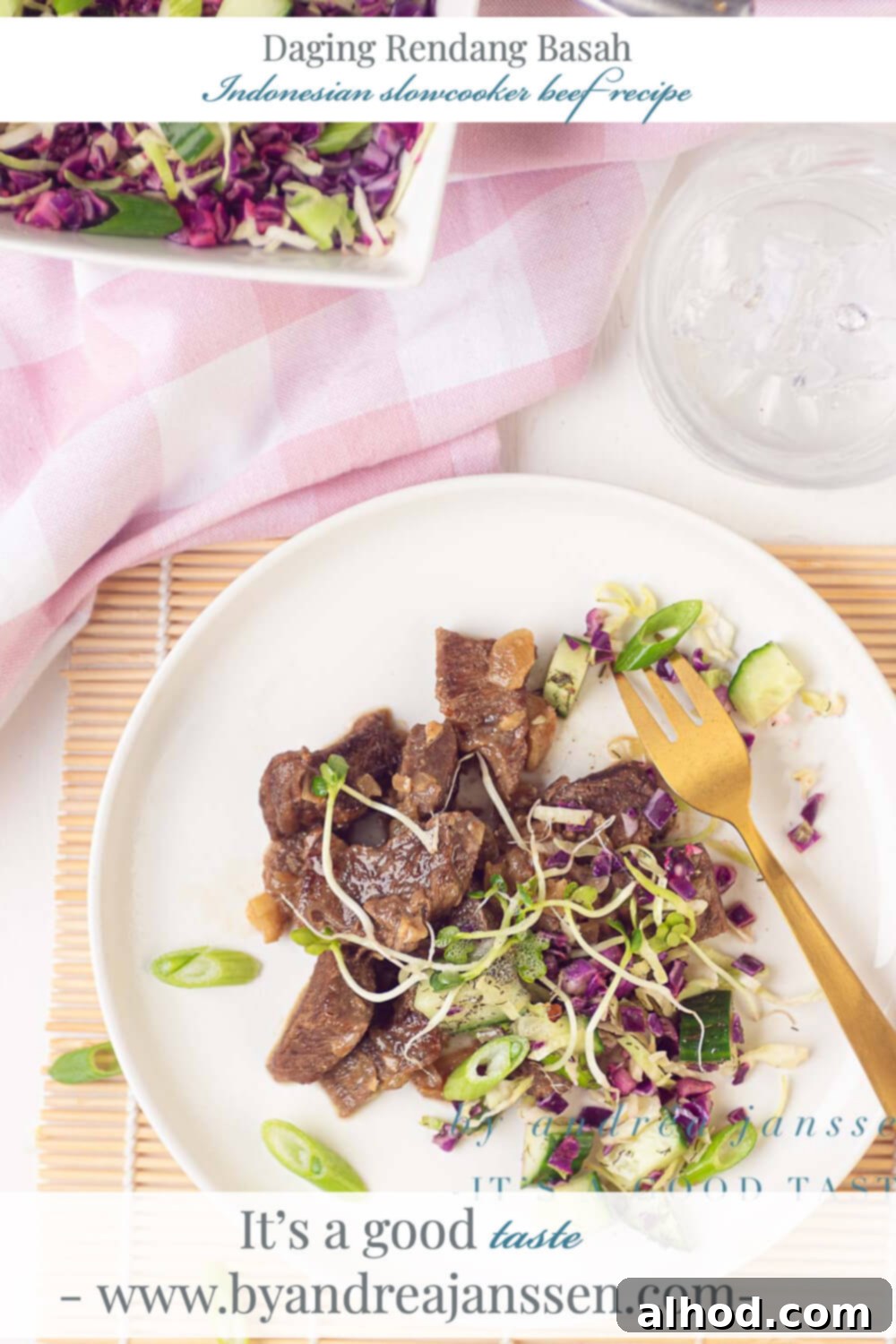
Authentic Daging Rendang Basah: A Flavorful Indonesian Beef Stew Recipe
The kitchen fills with the intoxicating aroma of Daging Rendang Basah as it slowly simmers, promising a taste that’s as rich and complex as its fragrant scent. This delicious recipe is a true culinary delight, perfect for sharing.
My journey into the vibrant world of Indonesian cuisine began long before I could even reach the countertop. I was incredibly fortunate to grow up next to a wonderful Indonesian family whose kitchen was a constant source of heavenly aromas. Though I don’t hail from Indonesia myself, their culture and flavors became a cherished part of my childhood. Several times a year, especially during birthdays, we were invited to partake in their festive feasts. The anticipation would build for days before, as the incredible smells wafted over from their home, making my stomach rumble with hunger. When the moment finally arrived to gather around their table, it was always pure bliss – a truly unforgettable culinary experience.
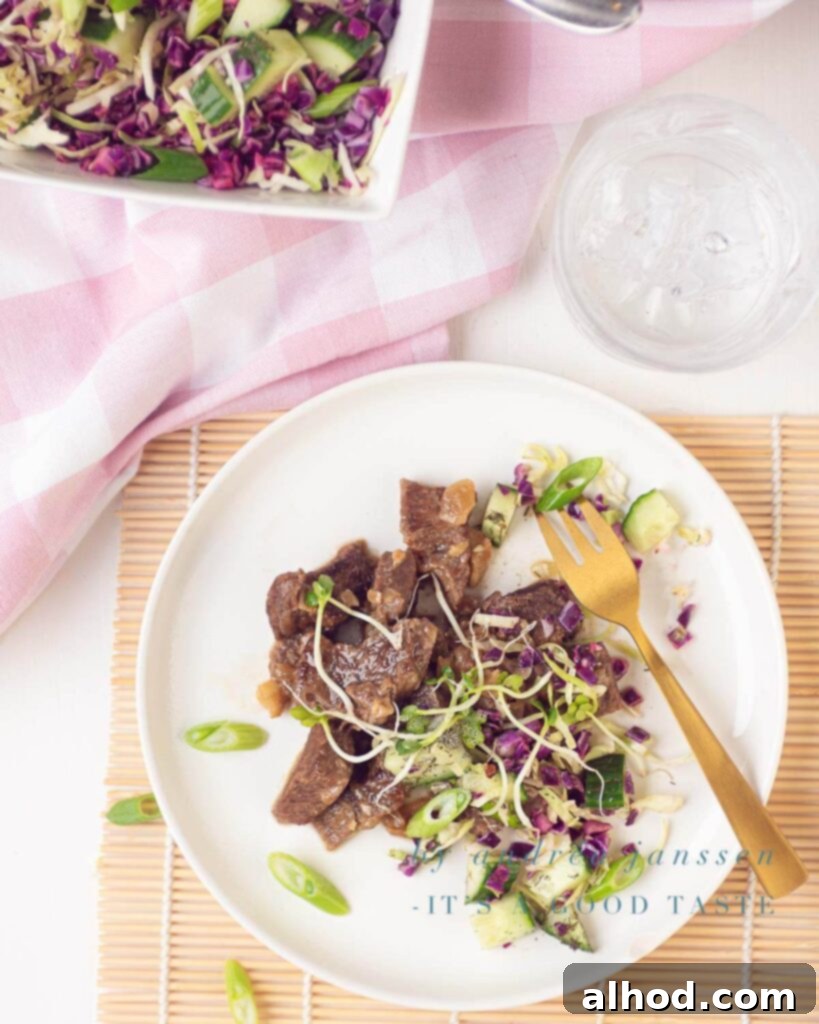
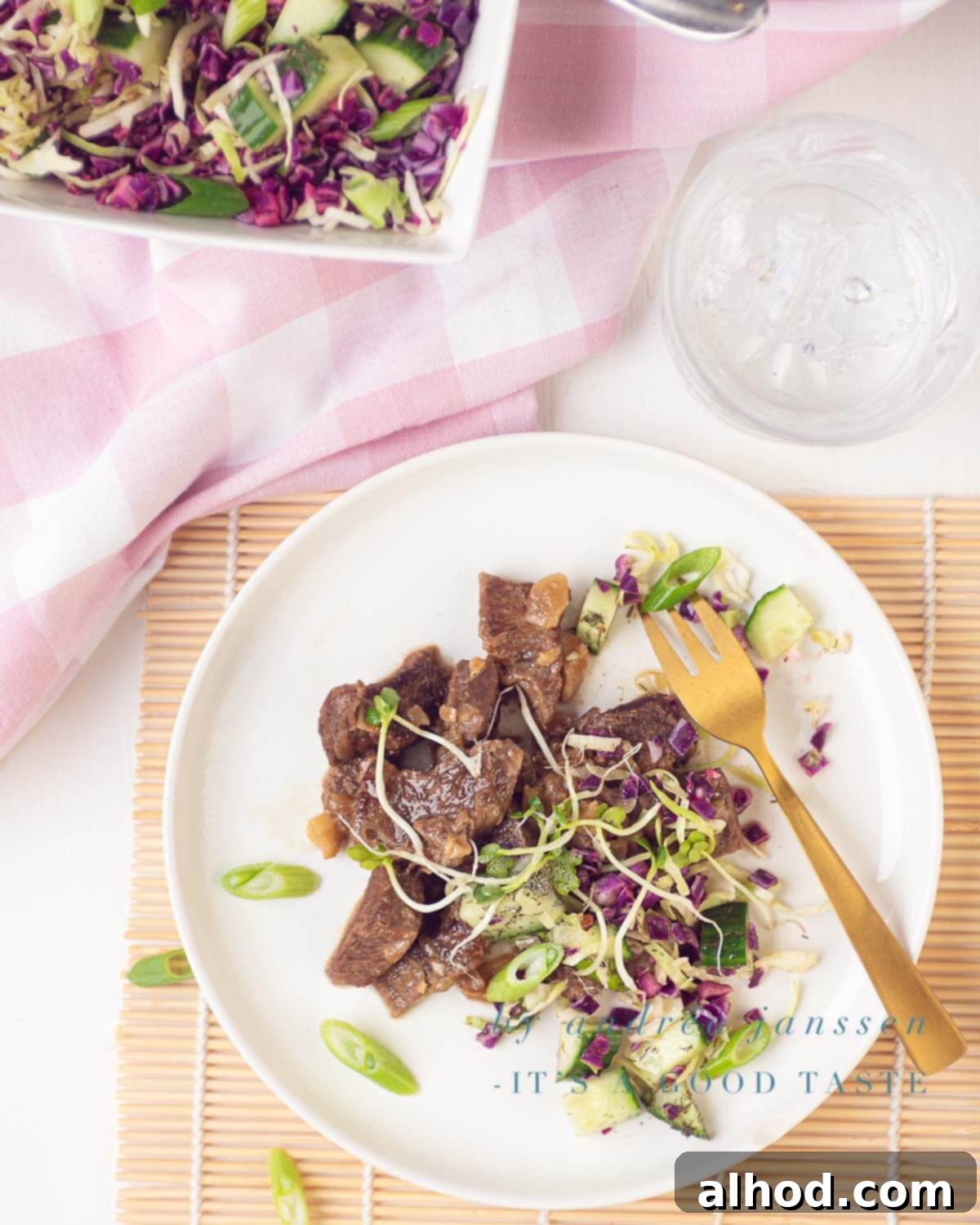
This particular Daging Rendang Basah recipe, a delightful departure from the drier rendang variations, has been lovingly adapted from the esteemed cookbook “Boekoe Bagoes” by Harold Pereiro, Rice & Eveline Mirjam van der Stoel. I’ve found it to be an exquisite rendition, capturing the essence of this beloved Indonesian dish. To complement its rich and savory profile, I serve it with a crisp and refreshing cabbage cucumber salad – a recipe I’m equally excited to share with you. The vibrant crunch and refreshing tang of the salad perfectly balance the depth of the rendang, creating a harmonious meal that is both satisfying and invigorating.
What is Daging Rendang Basah? A Culinary Deep Dive
Daging Rendang Basah, often translated as “Wet Beef Rendang,” is a classic Indonesian and Malaysian dish that stands out from its drier counterpart, Rendang Daging. While both are incredibly flavorful beef stews, the “basah” (wet) version retains more of the rich, creamy coconut milk sauce, offering a more luscious and gravy-like consistency. Originating from the Minangkabau ethnic group of West Sumatra, Indonesia, rendang is not just food; it’s a culinary art form, steeped in tradition and cultural significance, often served at ceremonies and special occasions.
The magic of Daging Rendang Basah lies in its intricate blend of spices. Key ingredients typically include tender beef cubes, slow-cooked in a generous amount of coconut milk until it thickens into a rich sauce. This sauce is infused with a paste made from aromatic spices such as galangal, lemongrass, turmeric, ginger, garlic, shallots, and chilies. The slow cooking process allows these flavors to meld beautifully, tenderizing the meat and creating an incredibly complex, savory, and mildly spicy dish with a hint of sweetness from palm sugar and a subtle tang from tamarind paste. Unlike dry rendang, where the liquid fully evaporates and the oil separates, Daging Rendang Basah maintains a silky, unctuous sauce that coats every piece of beef, making it an incredibly satisfying and comforting meal.
The Art of Slow Cooking Rendang: Flavor Development
Rendang is a dish that truly benefits from patience. The traditional method involves hours of slow simmering over low heat, allowing the beef to absorb all the wonderful flavors of the spice paste and coconut milk. This extended cooking time not only tenderizes tougher cuts of meat to perfection but also deepens the complexity of the sauce, transforming simple ingredients into a gourmet experience. Each spice plays a vital role: galangal and lemongrass provide a citrusy, peppery note; ginger and turmeric add warmth and earthy undertones; and the chili provides a gentle, building heat. The coconut milk, rich in fats, emulsifies with the spices, creating that signature creamy texture and incredible depth of flavor that defines a good rendang.
Using a slow cooker for Daging Rendang Basah is a fantastic way to achieve these deeply developed flavors with minimal effort. The consistent, low heat of a slow cooker mimics the traditional method, allowing the ingredients to gently simmer for hours. This hands-off approach ensures that the beef becomes incredibly tender, practically falling apart with just a fork, while the sauce thickens and concentrates its flavors without the risk of scorching. It’s the perfect technique for busy home cooks who want to enjoy authentic, slow-cooked Indonesian cuisine without being tied to the stovetop.
Perfect Pairing: The Refreshing Cabbage Cucumber Salad
While Daging Rendang Basah is a rich and robust dish, it truly shines when paired with a fresh, crisp counterpoint. My go-to accompaniment is this simple yet incredibly effective cabbage cucumber salad. The combination of thinly sliced green and red cabbage provides a delightful crunch and a vibrant visual appeal. The cucumber adds a cool, refreshing element, while a bright dressing of fresh lemon juice and olive oil cuts through the richness of the rendang. A touch of dill and finely chopped spring onion introduces a herbaceous freshness, elevating the entire meal. This salad isn’t just an afterthought; it’s an integral part of the dining experience, offering a palate cleanser and a textural contrast that makes each bite of rendang even more enjoyable. It’s a perfect example of how contrasting flavors and textures can create a beautifully balanced meal.
Did you make this delicious recipe? Tag #byandreajanssen via Instagram! I love to see what your creation looks like and regularly share the most beautiful photos from you! Did you like this recipe? Then leave a rating on the recipe card! Your feedback helps other home cooks and me enormously.
Need more inspiration?
- You can find video recipes on my YouTube channel.
- And don’t forget to save the recipes on Pinterest, so you can easily find them again next time!
📖 Recipe
RECIPE CARD

Andréa
Pin Recipe
Ingredients
Daging Rendang Basah
- 3 tablespoons sunflower oil
- 3 onions , chopped
- 4 teaspoons ground coriander, ground
- 5 teaspoons fresh ginger, ground
- 2 teaspoons ground cumin, ground
- 2 cloves garlic , minced
- 6 candle nuts, roughly chopped
- 3 teaspoons Shrimp paste
- 3 cups water
- ⅓ cups creamed coconut
- 2 teaspoons tamarind paste
- 1 tablespoon palm sugar
- 1½ pound Beef tenderloin steak
- 6 salam leafs
- 3 djeroek poeroet leafs
- 2 teaspoons galangal powder, ground
- 1 stalks lemongrass, bruised
- salt , at taste
Cabbage cucumber salad
- 1 cups cabbage, chopped
- 1 cups red cabbage , chopped
- 1 teaspoon dill
- ½ cucumber , cut into cubes
- ½ lemon juice
- 4 tablespoons olive oil
- 1 spring onion , finely chopped
All my recipes are written both in Metric (gram / ml) and US Customary (cups / pounds). Here you can select which type of amount you would like to see.
Instructions
Daging Rendang Basah
-
Put a pan on the heat and bake the onion until translucent.
-
Reduce heat to low and add the ground spices, garlic, candle nuts and shrimp paste and stir-fry for 1 minute until fragrant.
-
Add the beef cubes to the pan and brown on all sides for about 5 minutes. This step helps seal in the juices.
-
Carefully transfer all contents from the frying pan into your slow cooker bowl.
-
In a separate saucepan, combine the water, coconut cream, tamarind paste, and palm sugar. Stir well until everything is dissolved and bring to a gentle boil.
-
Pour the liquid mixture over the beef in the slow cooker. Add the salam leaves, kaffir lime leaves (djeroek poeroet), galangal, and bruised lemongrass on top.
-
Set your slow cooker to the “high” setting and let the rendang simmer for approximately 4 hours, or until the beef is incredibly tender and the sauce has thickened to your desired consistency.
-
Taste the rendang and adjust seasoning with salt if needed. Serve hot with steamed rice and the refreshing cabbage cucumber salad.
Cabbage cucumber salad
-
In a medium bowl, combine the chopped green and red cabbage. Drizzle with lemon juice and toss to coat evenly.
-
Add the cubed cucumber, fresh dill, finely chopped spring onion, and olive oil to the cabbage mixture.
-
Gently stir the salad until all ingredients are well combined and coated with the dressing.
-
For best crispness and flavor, serve the cabbage cucumber salad immediately alongside your Daging Rendang Basah.
Nutrition
Tried this recipe?
Let us know how it was!
Tips for the Best Daging Rendang Basah
- Choose the Right Beef: While the recipe calls for beef tenderloin, cuts like beef chuck or short ribs are excellent for slow cooking. Their higher fat content ensures a more tender and flavorful result after hours of simmering. Cut the beef into uniform cubes for even cooking.
- Fresh Spices are Key: The soul of rendang lies in its fresh spices. Whenever possible, use fresh ginger, galangal, lemongrass, and shallots. Grinding them into a smooth paste (bumbu) releases their full aromatic potential. If fresh isn’t available, high-quality ground spices are a good alternative.
- Patience with Browning: Don’t rush the browning of the beef and stir-frying the spice paste. This step develops deep flavors through caramelization and toasting, which will infuse the entire dish.
- Taste and Adjust: The flavor profile of rendang can vary based on your ingredients. Always taste towards the end of cooking and adjust for salt, sweetness (more palm sugar), or tanginess (more tamarind paste) according to your preference. A touch of chili can be added for extra heat.
- Storage and Reheating: Rendang often tastes even better the next day as the flavors continue to meld. Store leftovers in an airtight container in the refrigerator for up to 3-4 days or freeze for up to 3 months. Reheat gently on the stovetop or in the microwave.
Beyond Rice: Serving Suggestions and Variations
While steamed white rice is the traditional and most common accompaniment for Daging Rendang Basah, don’t limit yourself! Other excellent options include brown rice, coconut rice for an extra layer of richness, or even a side of fluffy couscous to soak up all that delicious sauce. For a lower-carb option, cauliflower rice works wonderfully. You could also serve it with warm flatbreads or roti to scoop up the tender beef and savory gravy.
To vary your meal, consider adding other vegetables to your spread. Simple steamed greens, stir-fried water spinach (kangkung), or even roasted root vegetables can complement the rendang beautifully. If you enjoy a touch more heat, sprinkle some fresh chopped chilies or a dollop of sambal on the side. For those who prefer a more complex texture, toasted desiccated coconut can be added at the end for an extra nutty crunch.