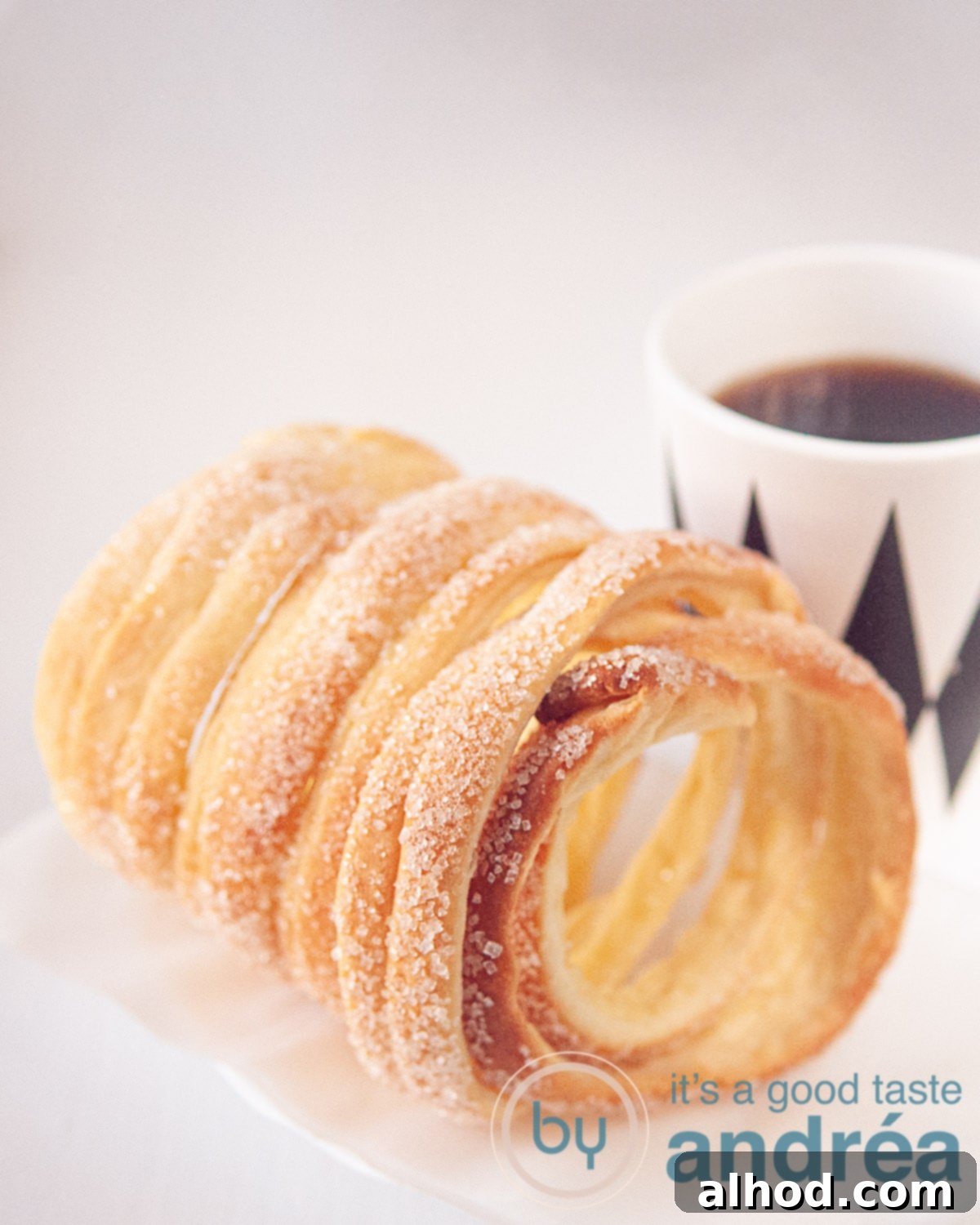
Mastering Homemade Chimney Cakes (Kürtőskalács): A Crispy, Buttery Delight
Embark on a culinary journey to the heart of Eastern Europe with this incredible recipe for Chimney Cakes, also known as Kürtőskalács. These delightful pastries are a true marvel, boasting a unique crispy exterior, a tender, buttery interior, and a mesmerizing spiral shape that captures the imagination. Traditionally enjoyed at festive occasions and bustling street markets, learning to make them at home is a rewarding experience that brings a taste of European charm right to your kitchen.
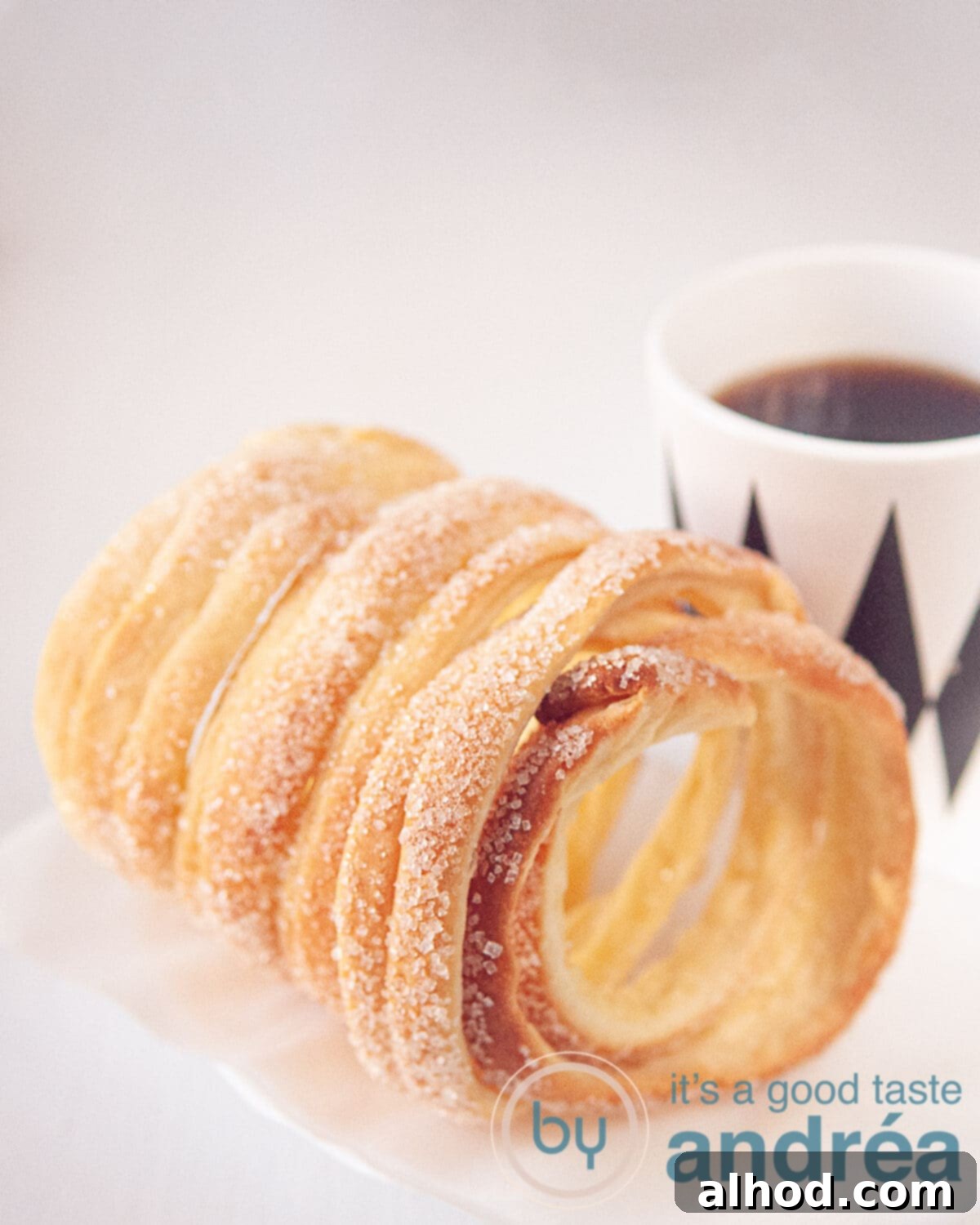
These beautiful Chimney Cakes, deeply rooted in Hungarian culinary tradition and widely enjoyed in Romania, are a testament to simple ingredients transforming into something extraordinary. Each bite offers a delightful crunch followed by a soft, buttery sweetness, reminiscent of a sophisticated puff pastry cookie. While they are a staple at weddings, Christenings, and other special events across the region, symbolizing celebration and togetherness, our recipe simplifies the traditional grilling or brick oven method for your electric oven, making this festive treat accessible to everyone.
Today, we’re diving into the art of baking this exquisite delicacy. Perhaps you’ve heard the Hungarian name, Kürtőskalács, or maybe its descriptive English translation, “chimney cake,” which perfectly describes its iconic hollow, cylindrical shape. This enchanting pastry is a beloved sight on street corners, at festivals, and as a sweet centerpiece at family gatherings. The mere thought of these golden-brown, sugar-coated cylinders is almost reason enough to plan a vacation to the beautiful landscapes of Hungary or Romania!
This specific recipe was developed as a fun and engaging challenge for the Daring Bakers – a passionate community of baking enthusiasts, now mostly operating offline. We’re grateful to Swathi of Zestysouthindiankitchen for generously sharing her expert adaptation of this beloved recipe with us, allowing more home bakers to discover the joy of Kürtőskalács.
The Fascinating History and Cultural Significance of Chimney Cakes
To truly appreciate the Chimney Cake, or Kürtőskalács, it’s worth exploring its rich history. While popular throughout the Carpathian Basin, Kürtőskalács is widely recognized as a Hungarian pastry, originating from the Hungarian-speaking regions of Transylvania (now part of Romania). Its name literally translates to “chimney cake,” referring to its hollow, cylindrical shape, which resembles a stovepipe. This delectable sweet has been a part of regional celebrations for centuries, with the earliest known recipe dating back to a 17th-century cookbook in Transylvania.
Historically, Kürtőskalács was a luxurious treat, often prepared for the gentry and noble families. It was baked over an open flame, typically on a rotating spit, allowing the dough to cook evenly and caramelize the sugar coating to a perfect golden crisp. Over time, it became a beloved part of folk traditions, especially for weddings, baptisms, and other major holidays. Each layer of dough unwound from the spit symbolizes the layers of life, community, and the passage of time – a beautiful sentiment baked into every delicious ring.
Today, whether you call it Kürtőskalács in Hungary or “Coșulețe de fum” (chimney baskets) or “Colac secuiesc” (Szekler wreath cake) in Romanian contexts, its appeal is universal. It’s more than just a dessert; it’s a cultural icon, a symbol of hospitality, and a source of sweet memories. Preparing these cakes at home is a wonderful way to connect with this heritage and create your own traditions.
Why Bake Chimney Cakes at Home?
While the allure of a freshly made chimney cake from a bustling European market is undeniable, there’s immense satisfaction in recreating this magic in your own kitchen. Baking Kürtőskalács at home allows you to control the quality of ingredients, customize the toppings, and fill your home with an intoxicating aroma that will transport you instantly. It’s an engaging project that doubles as a delightful treat, perfect for impressing guests or simply indulging your family with something truly special. Plus, the process itself is surprisingly meditative and fun, transforming simple dough into an edible work of art.
Essential Tips for Perfect Homemade Chimney Cakes
Making Kürtőskalács can seem intimidating at first, but with a few insider tips, you’ll be rolling and baking like a pro. These insights, gathered from experienced bakers, will help ensure your chimney cakes turn out beautifully crispy, buttery, and perfectly formed.
- **The Right Form:** To achieve the signature chimney shape, you’ll need a cylindrical baking form. If you don’t have traditional Kürtőskalács molds, get creative! A sturdy rolling pin covered tightly with aluminum foil works wonderfully. For smaller cakes, even a heavy-duty paper towel or toilet paper roll (also covered in foil for food safety and durability) can be used. Ensure whatever you choose is robust enough to handle the heat and the dough.
- **Embrace the Stickiness:** Don’t be alarmed if your dough feels a bit sticky after mixing and rising. This is absolutely normal and desirable for achieving a tender, moist crumb. Resist the urge to add extra flour during the initial kneading, as this can make the final product dry and tough. A lightly floured surface is fine for rolling out the dough ribbons, but avoid incorporating too much additional flour into the dough itself.
- **Secure Wrapping for a Perfect Shape:** When wrapping the dough ribbons around your prepared form, precision is key. Start by tucking the end of the first ribbon securely underneath the second layer of dough as you wrap. This helps lock the dough in place and prevents it from unraveling during baking. Wrap the dough tightly and continuously, slightly overlapping each turn to ensure a seamless cylinder. Finish by tucking the very last piece of dough underneath a previous layer, creating a smooth seal. This technique ensures your chimney cake holds its shape and comes off the mold easily after baking.
- **Even Baking with an Elevated Setup:** For consistent, all-around browning and crispiness, your chimney cakes need to be suspended in the oven, allowing hot air to circulate freely. If you’re using rolling pins as molds, you can cleverly hang them across the top edges of a deep cake tin or a sturdy roasting pan. This setup prevents the dough from touching the bottom, ensuring even heat distribution to all sides of the pastry.
- **Rotate for Golden Perfection:** Ovens can have hot spots, and even with the best setup, rotating is beneficial. Halfway through the baking time, carefully turn your chimney cakes (still on their forms) to ensure they bake evenly on all sides. This helps achieve that beautiful golden-brown color and uniform crispness all around.
Discover More Delicious Recipes
If you loved making these Chimney Cakes, explore more delightful baking projects from our collection:
- Honey Tuiles Recipe {Easy Lace Cookies}
- Walnut cookies
- Oatmeal raisin cookies
- Coconut Caramel Cookies
Did you make this delicious recipe? Tag #byandreajanssen via Instagram! I love to see what your creation looks like and regularly share the most beautiful photos of you! Did you like this recipe? Then leave a rating on the recipe card! Your feedback helps other home cooks and me enormously.
Need more inspiration?
- You can find video recipes on my YouTube channel.
- And don’t forget to save the recipes on Pinterest, so you can easily find them again next time!
📖 Recipe: Classic Chimney Cakes
RECIPE CARD
 Andréa
Pin Recipe
Ingredients
For the Chimney Cake Dough
- 210 grams all-purpose flour
- 2¼ teaspoon instant yeast
- 2 tablespoons granulated sugar
- ⅛ teaspoon salt
- 1 large egg, room temperature
- 3 tablespoons unsalted butter, melted
- 120 ml milk, tepid (lukewarm)
For the Topping
- 3 tablespoons unsalted butter, melted, for brushing
- 2 teaspoons ground cinnamon
- 8 tablespoons granulated sugar, fine or caster sugar
All my recipes are written both in Metric (gram / ml) and US Customary (cups / pounds). Here you can select which type of amount you would like to see.
Instructions
Preparing the Chimney Cake Dough
-
In a small bowl, combine the tepid milk, 2 tablespoons of sugar, and instant yeast. Stir gently with a fork until just combined. Let this mixture sit for 5 minutes, allowing the yeast to activate and become frothy.
-
After 5 minutes, transfer the flour and salt into a large mixing bowl. Create a well in the center and add the room-temperature egg, melted butter, and the activated yeast-milk mixture.
-
Using a stand mixer fitted with a dough hook attachment, mix the ingredients on medium speed for approximately 5 minutes until a smooth, slightly sticky dough forms. Alternatively, knead by hand on a lightly floured surface for 8-10 minutes.
-
Lightly brush a clean large bowl with a small amount of oil. Place the dough into the oiled bowl and turn it over once to coat completely. Cover the bowl with a slightly damp kitchen towel or plastic wrap.
-
Allow the dough to rise in a warm, draft-free place for about 60 minutes, or until it has visibly doubled in size. This step is crucial for developing the dough’s light and airy texture.
-
While the dough is rising, prepare your baking forms. Wrap rolling pins or other cylindrical objects tightly with aluminum foil to create smooth, non-stick surfaces (refer to the tips section for more details). Grease these prepared forms generously with melted butter.
-
Preheat your oven to 375 degrees Fahrenheit (190 degrees Celsius) to ensure it’s ready for baking once the dough is prepared.
-
Once the dough has risen, gently punch it down to release the air. Transfer it to a lightly floured surface and divide it into four equal parts for individual chimney cakes.
-
On a lightly floured surface, roll out each dough portion into an 8-inch (20 cm) circle, approximately ⅙ inch (½ cm) thick. Aim for an even thickness to ensure consistent baking.
-
Using a sharp knife or a pizza cutter, cut the dough into a long, continuous ribbon, approximately ½ inch (1 cm) wide. Start cutting from the outer edge of the circle and spiral inward. You should end up with one long strip of dough per cake.
-
Take one prepared form and begin wrapping a dough ribbon around it. Start at one end of the form, securing the first turn by tucking the end underneath the next layer of dough. Wrap the ribbon tightly, spiraling it downwards and slightly overlapping each turn, until the entire form is covered. Tuck the final end of the dough underneath a preceding layer to prevent unraveling.
-
Gently roll the wrapped dough on your clean, lightly floured surface to slightly flatten the ribbons and ensure they are well-adhered and evenly spread around the form.
Creating the Crispy Outside & Topping
-
Brush the wrapped dough generously with some melted butter. This helps the sugar adhere and creates a rich, golden crust.
-
In a shallow dish or plate, combine the granulated sugar and ground cinnamon, mixing well. Ensure the sugar is fine-grained for best adherence.
-
Gently roll each buttered chimney cake through the cinnamon-sugar mixture, pressing lightly to ensure an even and thorough coating. The sugar will caramelize beautifully during baking.
-
Carefully place the forms into a cake tin or roasting pan, ensuring the dough does not touch the bottom of the pan. This allows for even air circulation and baking on all sides (refer to tips).
Baking the Chimney Cakes
-
Bake the chimney cakes for 11 minutes. Then, carefully remove them from the oven, turn them around to ensure even baking, and return them to the oven for another 11 minutes. They should be beautifully golden brown and crispy.
-
Immediately after removing from the oven, brush the warm cakes with a little more melted butter. While still warm, roll them through the cinnamon-sugar mixture a second time. This creates an extra crispy and flavorful caramelized coating.
-
While the chimney cakes are still warm, gently tap the form on your countertop. Carefully pull the mold out from the center of the cake. The slight stickiness from the caramelized sugar helps release it cleanly. Serve warm and enjoy!
Notes
- To form these chimney cakes, you can ingeniously use a sturdy rolling pin, which you’ll need to cover completely with aluminum foil for a smooth, food-safe surface. An alternative for smaller cakes or if you lack rolling pins is to use a heavy-duty paper toilet roll, also wrapped thoroughly in aluminum foil. Ensure your chosen form can withstand oven temperatures.
- A common concern for new bakers is a sticky dough. Rest assured, a slightly sticky dough is the desired consistency for these chimney cakes, as it contributes to their characteristic chewiness and tenderness. Avoid the temptation to add excessive flour during kneading or rolling, as this can make the final pastry dense and dry.
- The method of wrapping the dough is crucial for maintaining the chimney cake’s iconic shape. When you begin to wrap the dough ribbon around your form, tuck the starting end firmly underneath the subsequent turn of dough. Continue to wrap tightly, overlapping slightly, and for the finishing touch, tuck the very last end of the ribbon underneath a piece of dough. This secures the structure and ensures easy removal after baking.
- For an impeccably even bake, especially when using rolling pins, suspend your forms in a deep cake tin or roasting pan. This setup ensures that the chimney cake dough doesn’t touch the bottom of the pan, allowing hot air to circulate freely around the entire surface, promoting uniform golden-brown perfection.
- To guarantee an evenly golden and crispy exterior, make sure to turn your chimney cakes halfway through the baking process. This simple step helps expose all sides of the pastry to the oven’s heat, resulting in a consistent texture and color.
Variations & Serving Suggestions
While the classic cinnamon-sugar coating is undoubtedly delicious, Kürtőskalács offers a fantastic canvas for various toppings and serving ideas. After the second butter brush, try rolling your warm cakes in:
- **Crushed Nuts:** Finely chopped walnuts, pecans, or almonds add a wonderful texture and nutty flavor.
- **Cocoa Powder & Sugar:** For a chocolatey twist, mix cocoa powder with sugar before coating.
- **Coconut Flakes:** Toasted coconut flakes provide a tropical flair.
- **Sprinkles:** For a festive and colorful touch, especially for children’s parties.
Chimney cakes are best enjoyed warm, right off the oven. Break off strips and savor the sweet, buttery goodness. They pair perfectly with a cup of coffee or tea, a glass of cold milk, or even a scoop of ice cream nestled inside the hollow center for an extra special treat!
Frequently Asked Questions (FAQs) About Chimney Cakes
Q1: Can I prepare the dough in advance?
Yes, you can! After the first rise, you can punch down the dough, cover the bowl tightly with plastic wrap, and refrigerate it for up to 24 hours. When you’re ready to bake, let the dough come to room temperature for about 30-60 minutes before proceeding with dividing and shaping.
Q2: What if I don’t have suitable forms for baking?
As mentioned in our tips, creativity is your friend! Rolling pins covered in aluminum foil are excellent substitutes. For smaller versions, even heavy cardboard tubes from paper towels or aluminum foil rolls, thoroughly wrapped in foil, can work. Ensure they are sturdy and generously greased.
Q3: How do I store leftover Chimney Cakes?
Chimney Cakes are truly at their best when eaten fresh and warm. However, if you have leftovers, store them in an airtight container at room temperature for up to 2 days. To reheat and restore some of their crispiness, place them in a preheated oven at 300°F (150°C) for a few minutes until warmed through and the sugar coating is slightly re-caramelized.
Q4: Can I make these savory?
While traditionally sweet, the base dough can certainly be adapted for savory chimney cakes! Skip the sugar coating and instead, brush with garlic butter and sprinkle with cheese, herbs (like dried oregano or rosemary), or sesame seeds before baking. These savory versions make a fantastic accompaniment to soups or as a unique breadstick.
Nutrition
Tried this recipe?
Let us know how it was!