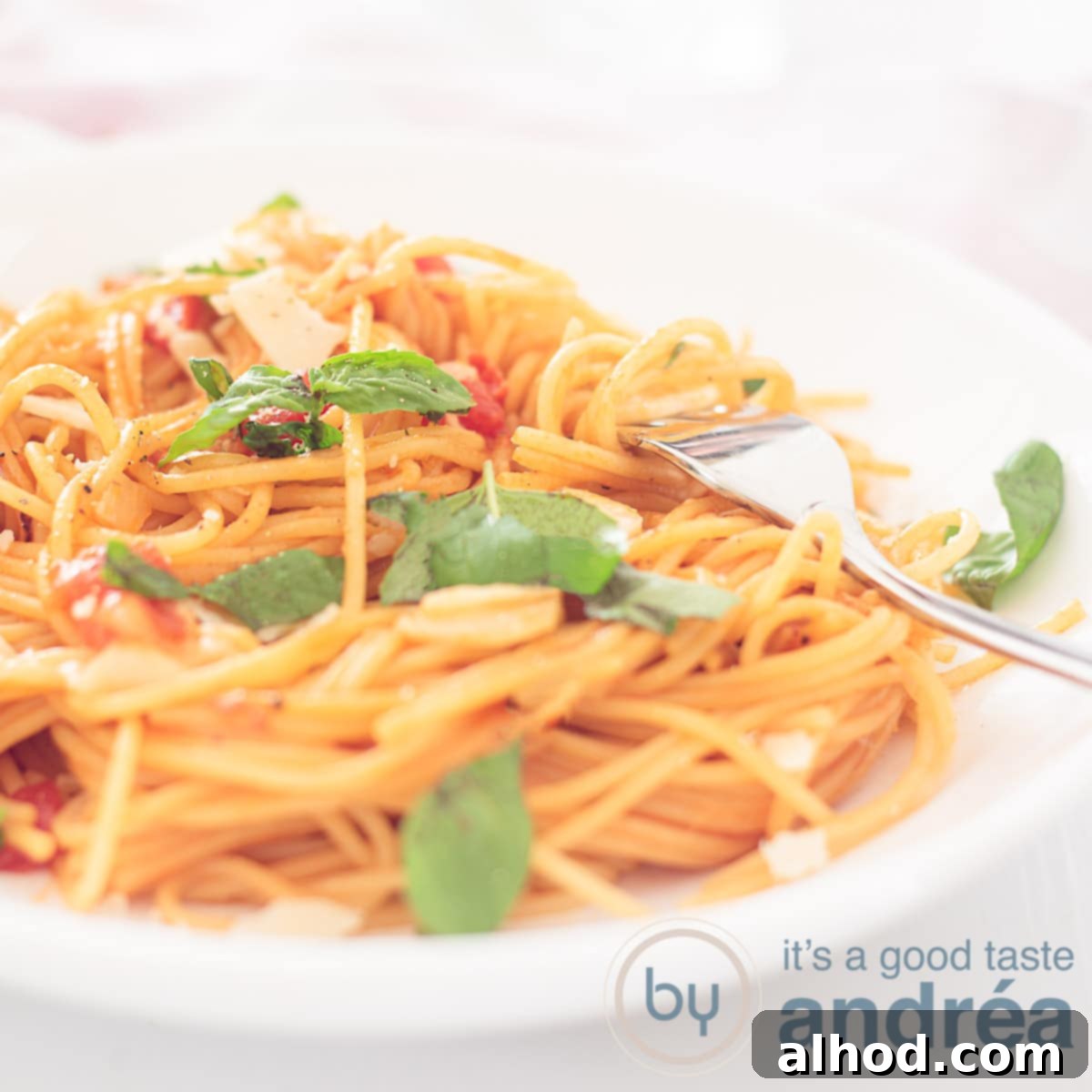
Effortless One-Pot Tomato Basil Pasta: Your Go-To 15-Minute Weeknight Meal
Prepare to be amazed by this incredible One-Pot Vegetable Pasta with Tomato and Basil. This Italian-inspired dish is a true revelation, combining simplicity, affordability, and sublime flavors into one unforgettable meal. Imagine a delicious, creamy pasta dish, bursting with the taste of sweet, juicy tomatoes and fragrant fresh basil, all ready in just 15 minutes and requiring only a single pan for cooking. It’s not just a recipe; it’s a weeknight savior that quickly becomes a cherished family favorite. Forget about mountains of dirty dishes and hours spent in the kitchen – today, you can bring the vibrant, delicious flavors of Italy straight to your plate with minimal effort. Every pasta lover will undoubtedly adore this quick and satisfying creation.
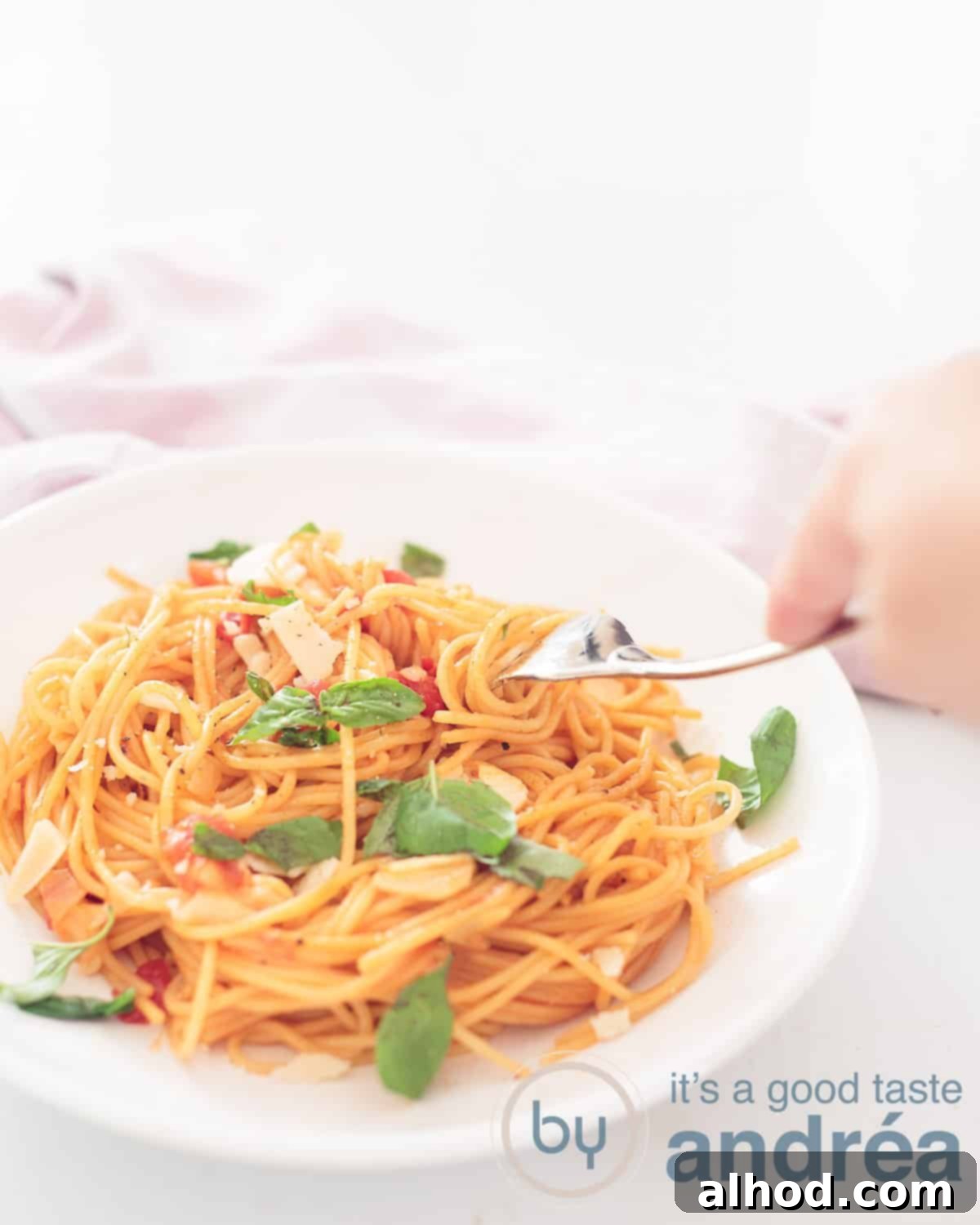
The Magic of One-Pot Vegetable Pasta
One-pot pasta recipes truly are the holy grail of easy cooking, especially during those demanding weeknights when time is short and hunger is high. And it’s not just me who champions them; my entire family, including the kids (who, let’s be honest, benefit most from the minimal dishwashing!), absolutely loves them. This isn’t just a simple meal; it’s a smart meal prep strategy. You simply combine all your ingredients in one single pan, let them simmer until the spaghetti reaches al dente perfection, and the sauce achieves a lovely, rich thickness. In just about fifteen minutes, your delicious, wholesome meal is ready to be served, making cleanup an absolute breeze.
The beauty of one-pot meals lies in how all the flavors meld together as everything cooks simultaneously. The pasta releases starches directly into the sauce, creating an inherently creamy texture without the need for extra heavy cream. This method concentrates the flavors, resulting in a more deeply satisfying and cohesive dish. It’s a versatile technique that encourages creativity with ingredients you already have on hand.
Craving even more tasty, easy meal ideas that simplify your kitchen routine? Explore our extensive collection of one-pot meal recipes. You’ll find a variety of options, from delightful poached salmon dishes to hearty Greek casserole with ground beef, and even wholesome vegetarian options like cauliflower rice with spinach and leek, alongside many other convenient one-pot pasta recipes.
Ultimate One-Pot Pasta Tricks for Perfect Results
Achieving one-pot pasta perfection isn’t just about the ingredients; it’s fundamentally about the tools you use, particularly your choice of pan. Not all pans are created equal for this cooking method. To ensure success, opt for a **wide, but not excessively high, pot**. A deep frying pan, often referred to as a sauté pan with higher sides, is ideal. Its wide surface area allows for even evaporation of liquids, while its depth prevents ingredients from overflowing.
Avoid using a regular frying pan because its sloping, shallow edges will cause the liquid to evaporate too quickly, leading to unevenly cooked pasta or a sauce that becomes too concentrated or dry. Conversely, a deep, large pot like a Dutch oven or a traditional stockpot might retain too much liquid, preventing sufficient evaporation. This can result in overcooked, mushy spaghetti and a watery sauce, as the pasta cooks in an overly diluted environment.
Another crucial element for perfect one-pot pasta is matching your pan to your burner. Always **place your pan on a large burner** that closely matches the diameter of the pan’s base. If your burner is too small, the outer edges of the pan won’t receive enough heat. This uneven heating will cause the spaghetti and other ingredients on the periphery to cook inconsistently, potentially leaving them undercooked or crunchy, while the center cooks perfectly. By paying attention to these simple yet vital tips, you’ll consistently achieve a perfectly cooked, flavorful one-pot pasta dish every time!
To further ensure success:
- Stir Regularly: This prevents pasta from sticking together and ensures even cooking as all ingredients are submerged in the sauce.
- Monitor Liquid Levels: Keep an eye on the sauce. If it’s reducing too quickly, a splash more liquid (stock or water) can be added. If it’s too watery, increase the heat slightly during the last few minutes to encourage evaporation.
- Taste Test for Doneness: Just like traditional pasta cooking, taste a strand of spaghetti towards the end of the cooking time to ensure it’s cooked to your desired al dente or softer texture.
Essential Ingredients for Your One-Pot Veggie Pasta
To craft this delightful One-Pot Vegetable Pasta, you’ll need a selection of fresh and pantry-staple ingredients. Precision matters for perfect flavor, so you’ll find the exact quantities detailed in the recipe card at the very bottom of this post.
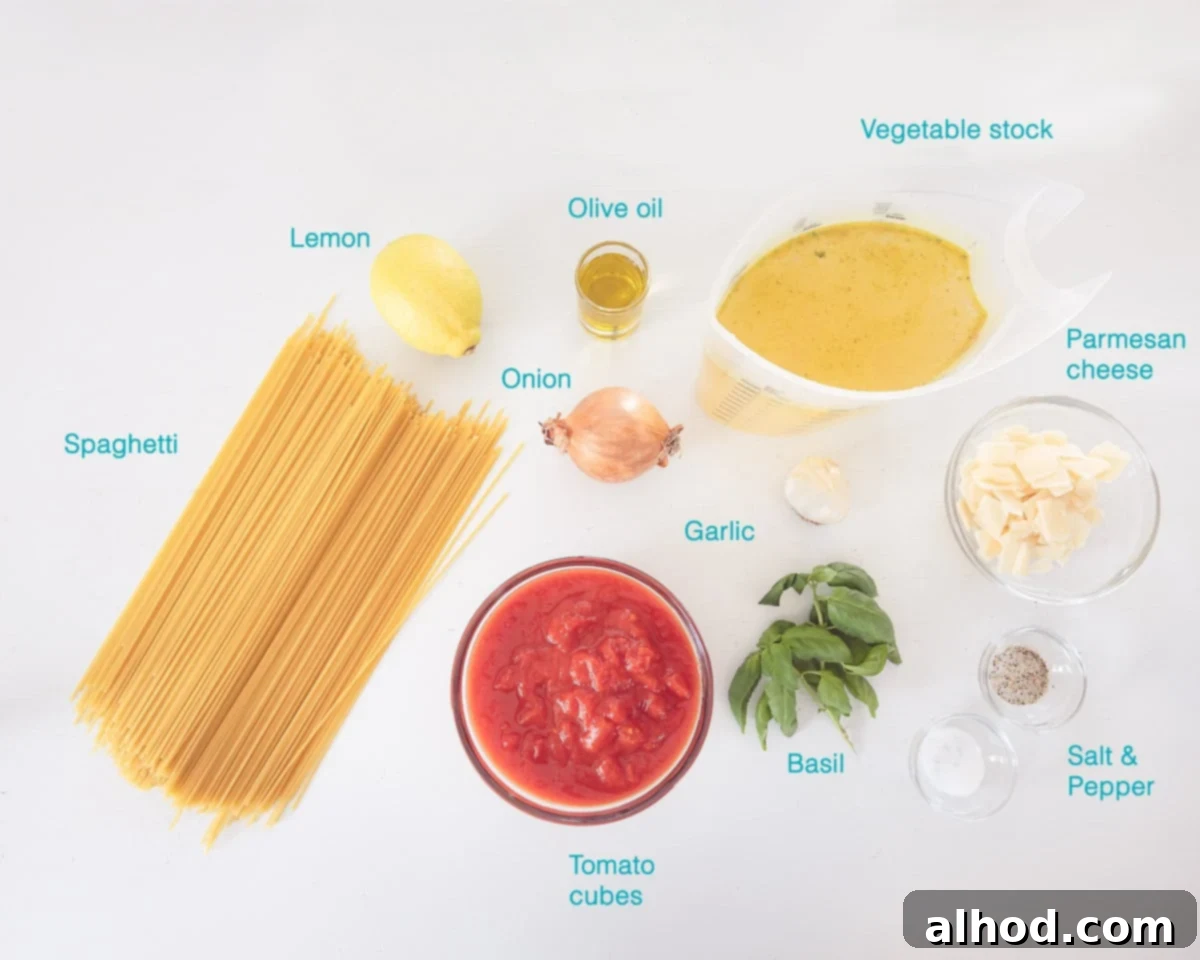
- Chicken Stock: This liquid gold forms the flavorful base of your sauce, providing depth and ensuring the pasta cooks perfectly. While store-bought stock or a bouillon cube dissolved in water works well, the absolute best flavor comes from homemade chicken broth. For a vegetarian version of this pasta, simply substitute with a good quality vegetable broth.
- Spaghetti: A classic Italian long, thin, and round pasta string. It’s crucial to use dry pasta for this recipe. Fresh pasta cooks much too quickly in this method and can easily turn mushy. If spaghetti isn’t your preference or isn’t available, any small-to-medium dry pasta shape (like penne, rotini, or fettuccine) can work, but remember to adjust the cooking time according to the manufacturer’s instructions for that specific pasta.
- Onion & Garlic: These aromatic staples form the foundational flavor profile of the sauce. Finely chopped onion and freshly squeezed (or minced) garlic are sautéed to release their sweet, pungent essence, building a rich base for the tomatoes and basil.
- Diced Tomatoes: The heart of your delicious tomato sauce. For optimal flavor and consistency, we highly recommend using canned diced tomatoes. They are harvested at their peak ripeness and provide a consistent, rich taste. While you could technically use sieved tomatoes (passata), diced tomatoes will stew down beautifully and fall apart during cooking, creating a rustic, flavorful sauce.
- Fresh Basil: This soft, green herb is indispensable for an authentic Italian flavor. With its spicy-sweet taste, delicate aroma, and a hint of pepper, fresh basil elevates the dish. Always incorporate fresh herbs into the sauce for the best aromatic experience.
- Lemons: The bright, zesty notes of freshly squeezed lemon juice and finely grated zest cut through the richness of the tomatoes and add a vibrant freshness that truly makes the flavors sing. Nothing quite compares to the brightness that fresh lemon brings.
- Olive Oil: With a recipe featuring few ingredients, the quality of each component becomes paramount. Use a high-quality extra virgin olive oil for its superior flavor. Its fruity, peppery notes will significantly enhance the overall taste of your pasta dish.
- Parmesan Cheese: A beloved salty hard cheese from Italian cuisine, grated Parmesan melts beautifully into the hot pasta, creating a wonderfully creamy texture and imparting a deep, umami-rich flavor that is utterly irresistible.
How to Prepare This Creamy One-Pot Pasta in Minutes
The beauty of this creamy one-pot pasta lies in its incredibly straightforward preparation. With just a few simple steps, you’ll have a gourmet-tasting meal on your table in no time. For a detailed, printable recipe with exact measurements and a complete description, please refer to the recipe card at the bottom of this blog post.
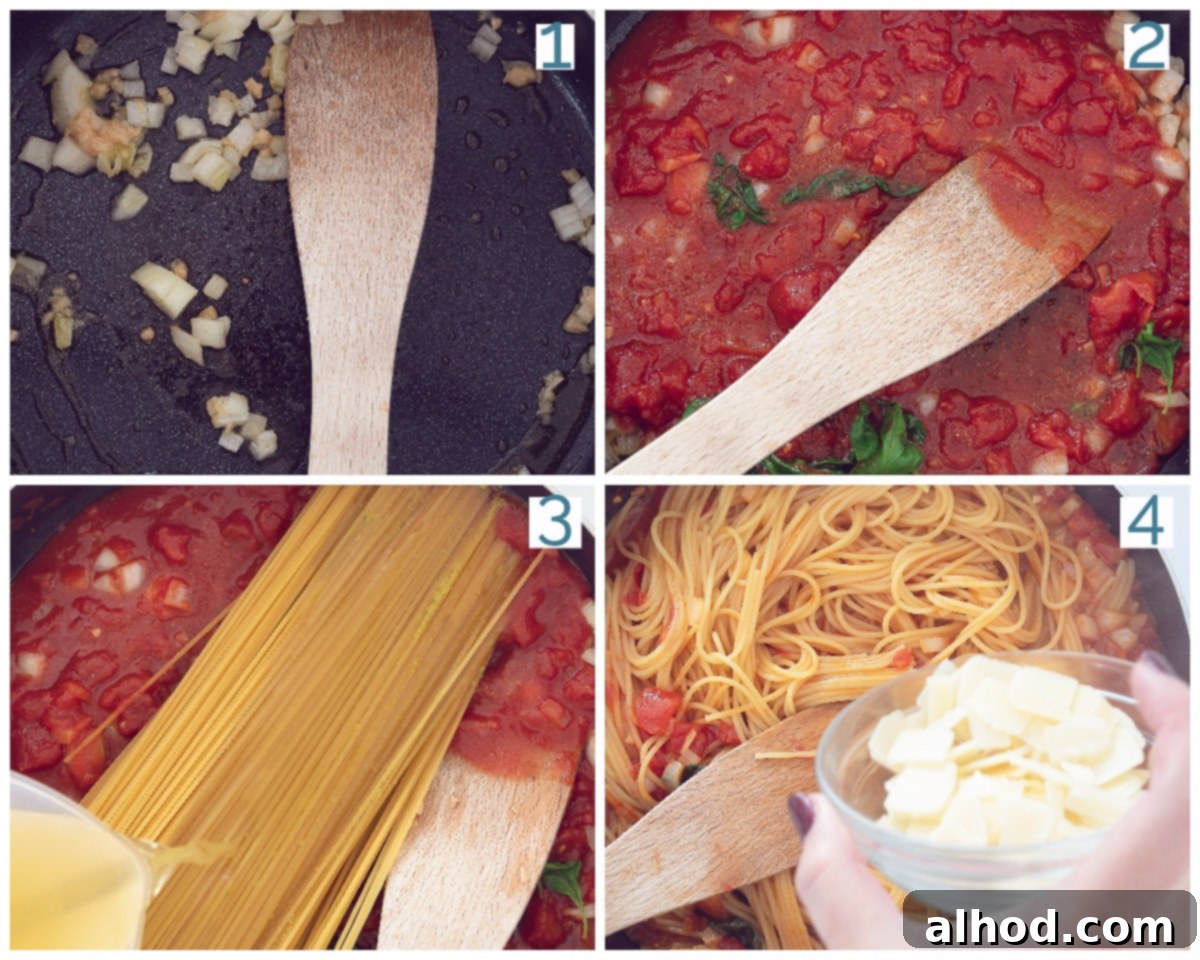
- Sauté Aromatics: Begin by heating a generous drizzle of olive oil in your chosen pan over medium heat. Add the finely chopped onion and sauté for about 2 minutes until it starts to soften and turn translucent. Then, add the minced garlic and stir-fry for just one minute more until fragrant, being careful not to burn it.
- Build the Flavor Base: Into the pan, pour the diced tomatoes. Stir in the fresh basil, lemon juice, and zest. Season generously with salt and freshly ground black pepper. Give everything a good stir to combine these wonderful flavors.
- Add Pasta & Simmer: Lay the uncooked spaghetti evenly into the sauce. Pour in the chicken stock, ensuring the pasta is mostly submerged. Bring the sauce to a gentle boil (without a lid), then reduce the heat to a steady simmer. Let it cook for 8 to 10 minutes, stirring occasionally to prevent sticking and ensure even cooking. Aim for 8 minutes for perfectly al dente pasta, or 10 minutes if you prefer your spaghetti a little softer. By the end of this time, the pasta should be cooked through, and the sauce will have thickened beautifully.
- Finish with Creaminess: Remove the pan from the heat. Sprinkle the grated Parmesan cheese over the pasta, and stir vigorously until the cheese melts and is fully incorporated. This step is key to achieving that irresistible creamy tomato sauce.
- Serve & Enjoy: Your delicious one-pot veggie pasta is now ready! Serve it immediately to savor the fresh, vibrant flavors.
Delicious with: This pasta pairs wonderfully with a side of fresh Ciabatta bread for soaking up the sauce, classic homemade garlic bread, or a refreshing simple tomato salad with Parmesan, pesto, and pine nuts.
Garnish: For an extra touch of freshness and color, garnish your serving with a few fresh basil leaves, either left whole or finely sliced into ribbons.
Tips, Substitutions, and Variations for Your One-Pot Pasta
This one-pot pasta recipe is incredibly flexible, allowing for various customizations to suit your taste and what you have on hand. Here are some expert tips and creative variations to make it your own:
- Boost the Veggies: For an extra nutritional punch and textural variety, feel free to add more diced vegetables to the sauce at the same time you add the tomatoes. Excellent choices include zucchini, bell peppers (any color), mushrooms (sliced or quartered), or even a handful of spinach (stirred in during the last few minutes).
- Consistent Cooking: To ensure all ingredients cook evenly and prevent the pasta from sticking to the bottom of the pan or to itself, make sure to stir the pasta regularly throughout the simmering process. This distributes the heat and liquid effectively.
- Adjusting Sauce Consistency:
- If your pasta sauce becomes too thick during cooking, simply add a splash of extra chicken stock or water, one tablespoon at a time, until it reaches your desired consistency. You may also need to lower the heat slightly to prevent excessive evaporation.
- If the sauce turns out too thin after the pasta is cooked, don’t fret! Turn off the heat, stir in the Parmesan cheese, and let the pasta sit for an additional 5 minutes, uncovered. The residual heat will continue to thicken the sauce as the pasta absorbs more liquid, and the cheese will help bind it.
- Make it Gluten-Free: To easily transform this into a gluten-free recipe, simply use your favorite gluten-free pasta. Be sure to check the package instructions for specific cooking times, as gluten-free varieties can sometimes cook faster or require different liquid ratios.
- Spice It Up: If you enjoy a bit of heat, spice up your pasta by adding half a teaspoon of red pepper flakes to the sauce along with the tomatoes. For an even bolder flavor, consider a pinch of dried oregano or Italian seasoning.
- Add Protein: To make this a more substantial meal, incorporate cooked protein. Shredded rotisserie chicken, sautéed ground beef or Italian sausage, or even plant-based options like chickpeas or white beans, can be stirred in during the last few minutes of cooking or served on top.
- Herb Variations: While basil is classic, fresh parsley or oregano can also be used for a slightly different flavor profile.
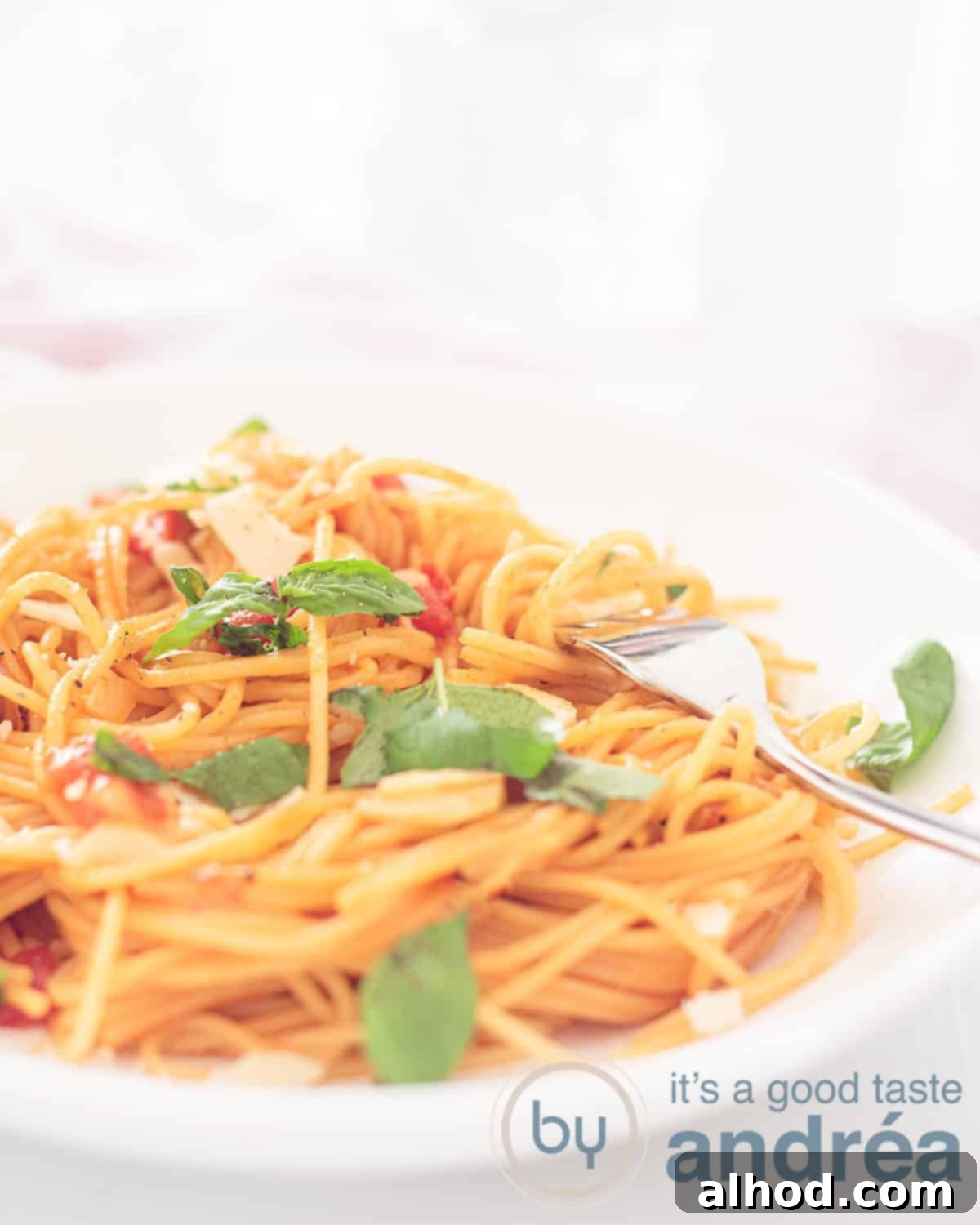
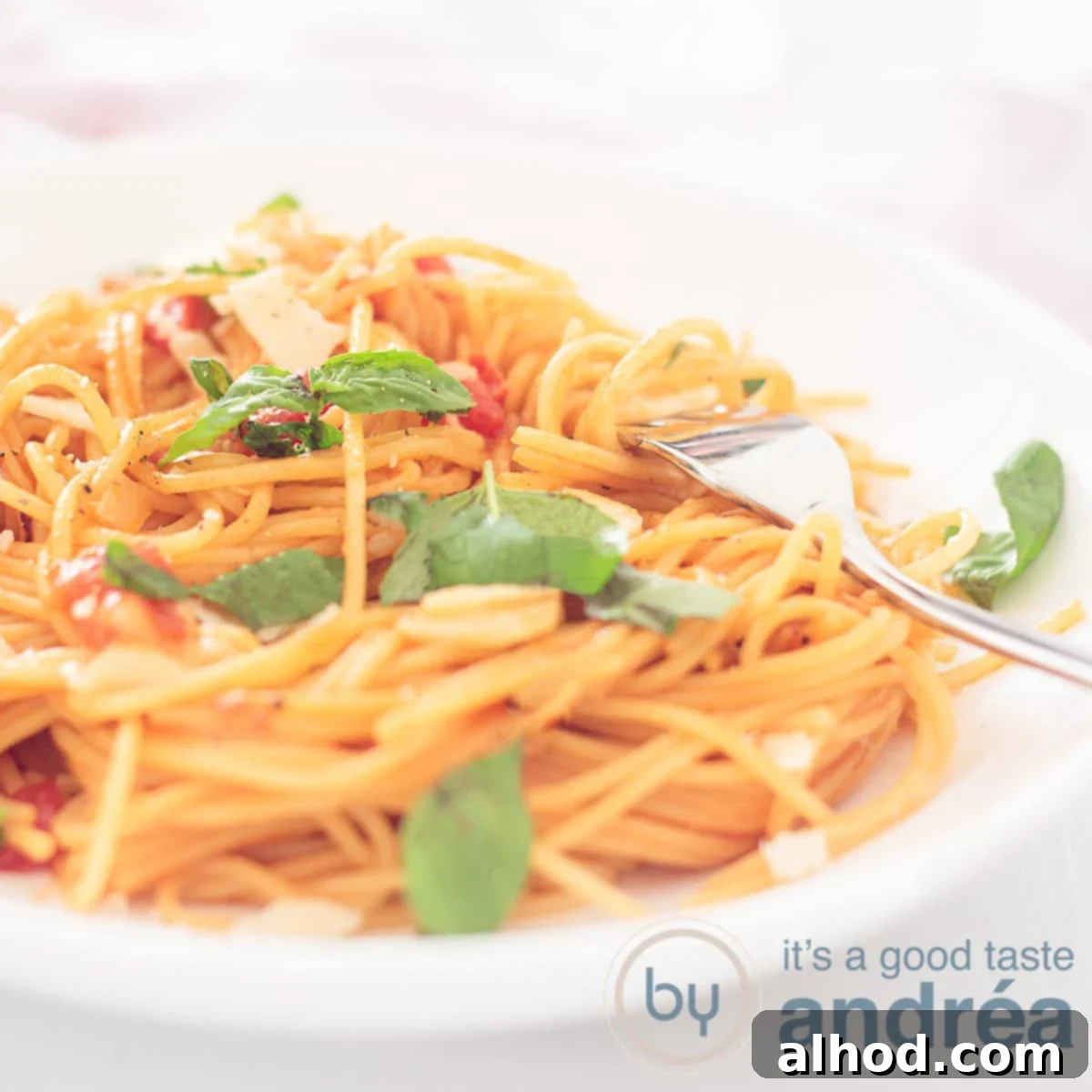
This One-Pot Vegetable Pasta with Tomato and Basil isn’t just a recipe; it’s a game-changer for anyone seeking a flavorful, healthy, and incredibly easy meal solution. Its quick preparation, minimal cleanup, and vibrant Italian flavors make it an instant classic for busy weeknights and relaxed weekends alike. We encourage you to experience the magic of one-pot cooking and bring this amazing dish to your table!
Did you make this delicious recipe? We’d love to see your creation! Tag #byandreajanssen via Instagram! I regularly share the most beautiful photos from my followers and love to see what you’ve cooked up! Did you like this recipe? Then please leave a rating on the recipe card below! Your valuable feedback helps both other home cooks and me tremendously.
Need more culinary inspiration?
- You can find a variety of video recipes and cooking tips on my YouTube channel.
- And don’t forget to save your favorite recipes on Pinterest, so they’re always easy to find for your next cooking adventure!
📖 Recipe
RECIPE CARD

Andréa
Pin Recipe
3 minutes
10 minutes
13 minutes
Dinner
Italian
4
people
696
kcal
Equipment
-
deep frying pan (or large sauté pan)
Prevent your screen from going dark
Ingredients
-
2 tablespoons olive oil -
1 onion, finely chopped (yellow or red onion) -
4 cloves garlic, minced or squeezed -
28 ounce diced tomatoes -
½ oz. fresh basil, leaves, chopped -
1 lemon, juice and zest -
½ teaspoon salt -
⅛ teaspoon ground black pepper -
1 pound spaghetti -
4 ½ cups chicken stock -
2 oz. Parmesan cheese, grated
All my recipes are written both in Metric (gram / ml) and US Customary (cups / pounds). Here you can select which type of amount you would like to see.
Instructions
-
Heat the olive oil in your chosen pan over medium heat and add the finely chopped onion.2 tablespoons olive oil,
1 onion -
Sauté the onion for 2 minutes until translucent, then add the minced garlic. Stir-fry for an additional minute until fragrant.4 cloves garlic -
Pour the diced tomatoes into the pan. Stir in the chopped fresh basil, lemon juice, lemon zest, salt, and ground black pepper. Mix everything thoroughly.28 ounce diced tomatoes,
½ oz. fresh basil,
1 lemon,
⅛ teaspoon ground black pepper,
½ teaspoon salt -
Carefully place the dry spaghetti into the sauce, arranging it as evenly as possible. Pour the chicken stock over the pasta.1 pound spaghetti,
4 ½ cups chicken stock -
Bring the mixture to a rolling boil over medium-high heat, then immediately lower the heat to a gentle simmer. -
Let it simmer for 8 to 10 minutes, stirring occasionally. For al dente spaghetti, cook for 8 minutes; for a softer texture, extend to 10 minutes. The pasta should be cooked, and the sauce thickened. -
Turn off the heat and immediately stir in the grated Parmesan cheese. Continue stirring until the cheese has melted and is fully incorporated, creating a rich, creamy sauce.2 oz. parmesan cheese -
Serve your delicious one-pot pasta immediately and enjoy!
Notes
- The right pan is key for one-pot pasta. Use a wide, not-too-high pan, preferably a deep frying pan or sauté pan. Avoid regular frying pans (too shallow, sloping edges) and deep stockpots/Dutch ovens (retain too much liquid, resulting in mushy pasta).
- Ensure your pan sits on a large burner that matches its bottom diameter. A small burner will lead to uneven cooking, leaving outer pasta strands undercooked.
2. Diced Tomatoes: For the best flavor, always opt for canned diced tomatoes as they are picked at peak ripeness. While sieved tomatoes (passata) can be used, diced tomatoes will naturally break down and create a richer, more rustic sauce texture.
3. Add More Vegetables: Easily increase the nutritional value by adding diced zucchini, bell pepper, mushrooms, or even a handful of fresh spinach to the sauce with the tomatoes.
4. Stir Regularly: Frequent stirring is essential to prevent the pasta from sticking together or to the bottom of the pan, ensuring even cooking and a consistent sauce texture.
5. Adjusting Sauce Consistency:
- If the sauce appears too thick, simply add a tablespoon or two of extra water or stock to reach your desired consistency.
- If the sauce is too thin after the pasta is cooked, turn off the heat, stir in the Parmesan cheese, and let the pasta rest for 5 minutes. It will continue to absorb liquid and thicken.
6. Stock Choice: While a store-bought bouillon cube dissolved in water works, homemade chicken broth will yield the deepest flavor. For an authentic vegetarian dish, always use vegetable stock.
7. Storage & Reheating:
- Refrigerator: Store any leftover pasta in an airtight container for up to 3 days.
- Freezer: For longer storage, place the cooled spaghetti in a freezer-safe container or bag and freeze for up to 2 months.
- Reheating: To prevent the pasta from drying out, add about four tablespoons of water before reheating. Reheat on the stovetop over medium heat, stirring occasionally, or covered in the oven at 350 °F (180 °C) for approximately 20 minutes.
8. Nutritional Value: The provided nutritional information is per serving, based on the assumption that the one-pot pasta with tomato and basil is enjoyed by four people.
Nutrition
Calories:
696
kcal
Carbohydrates:
109
g
Protein:
29
g
Fat:
16
g
Saturated Fat:
5
g
Polyunsaturated Fat:
2
g
Monounsaturated Fat:
8
g
Cholesterol:
18
mg
Sodium:
943
mg
Fiber:
7
g
Sugar:
14
g
Vitamin A:
545
IU
Vitamin C:
37
mg
Iron:
5
mg
dinner with spaghetti, easy spaghetti recipe, one pan recipe, one pot meal, tomato basil pasta, vegetable pasta
Tried this recipe?
Let us know how it was!